A well-organised larder or pantry can make everyday life easier. You can find ingredients quickly, avoid buying duplicates, reduce food waste, and even save money on your grocery shopping. The problem is that many pantry makeovers you see online seem to require expensive containers, custom shelving, and a substantial budget.
Fortunately, creating an organised pantry doesn’t have to cost a fortune. Whether you have a dedicated walk-in pantry, a small kitchen cupboard, or just a few shelves to work with, there are plenty of budget-friendly ways to create a tidy and functional space.
In this guide, you’ll discover practical DIY pantry organisation ideas that are affordable, easy to implement, and designed to help you make the most of every inch of storage space.
Why Pantry Organisation Matters
An organised pantry is about more than appearance.
When your food storage is organised properly, you can:
Find ingredients faster
Reduce food waste
Avoid buying duplicate items
Save money on groceries
Make meal planning easier
Keep your kitchen looking tidier
Even spending a couple of hours organising your pantry can have a noticeable impact on your daily routine.
Start with a Pantry Declutter
Before buying containers or storage solutions, start by removing everything from your pantry. Yes, everything. This gives you a clear view of what you actually have and allows you to clean shelves properly before reorganising.
Check Expiry Dates
As you sort through items, check:
- Expiry dates
- Damaged packaging
- Duplicate products
- Half-used items you’ll never finish
Dispose of expired products and consider donating unopened food you won’t use.
Group Similar Items Together
Create categories such as:
- Breakfast foods
- Baking ingredients
- Tinned goods
- Snacks
- Pasta and rice
- Herbs and spices
- Tea and coffee
Grouping items together is one of the simplest ways to make your pantry easier to use.
Use What You Already Have
One of the easiest ways to organise on a budget is to repurpose items you already own. Many people rush to buy matching storage containers before exploring free alternatives.
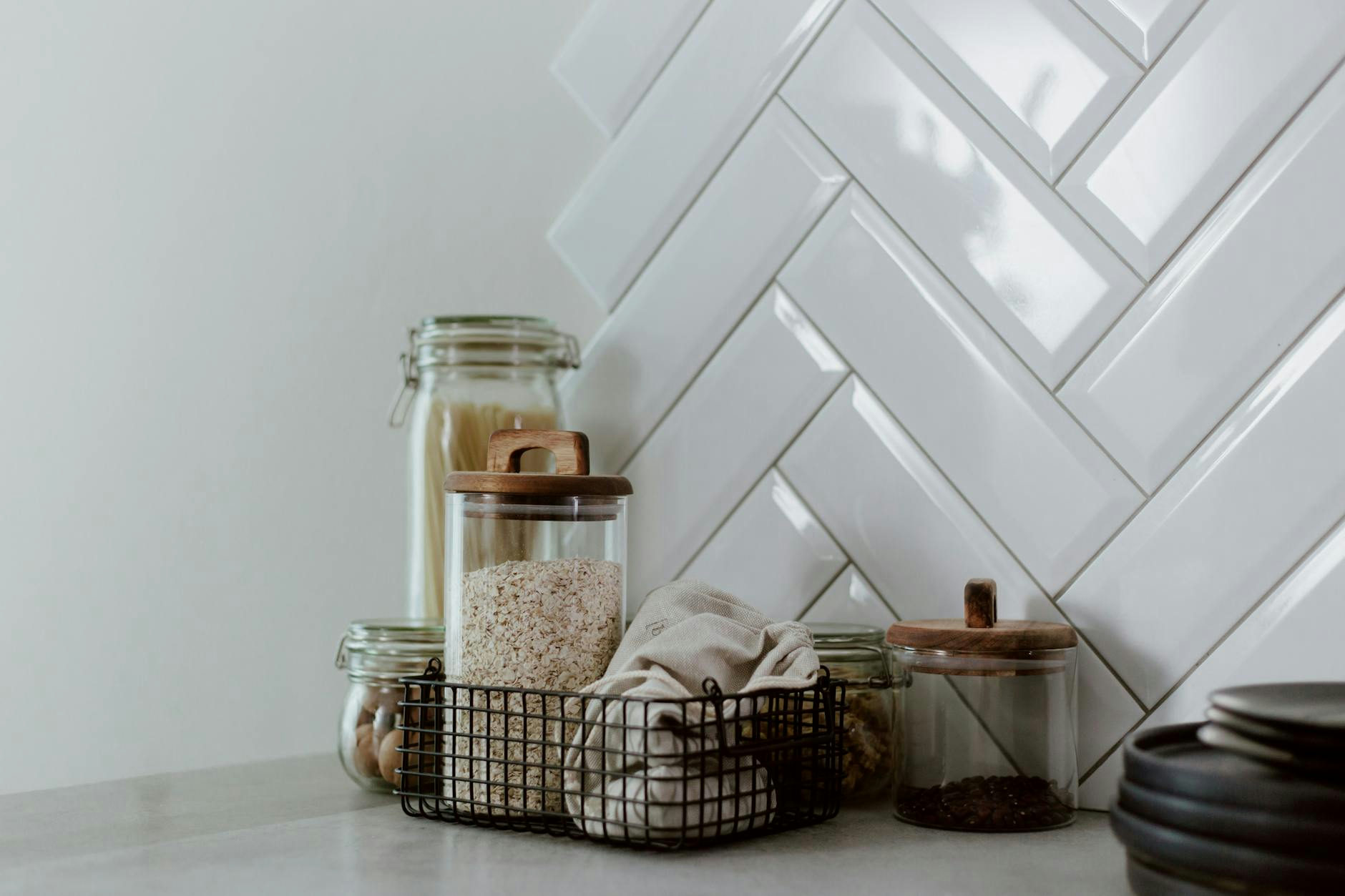
Repurpose Glass Jars
Clean glass jars can be used for:
- Pasta
- Rice
- Lentils
- Flour
- Sugar
- Snacks
They create a tidy look and allow you to see exactly what’s inside.
Reuse Storage Baskets
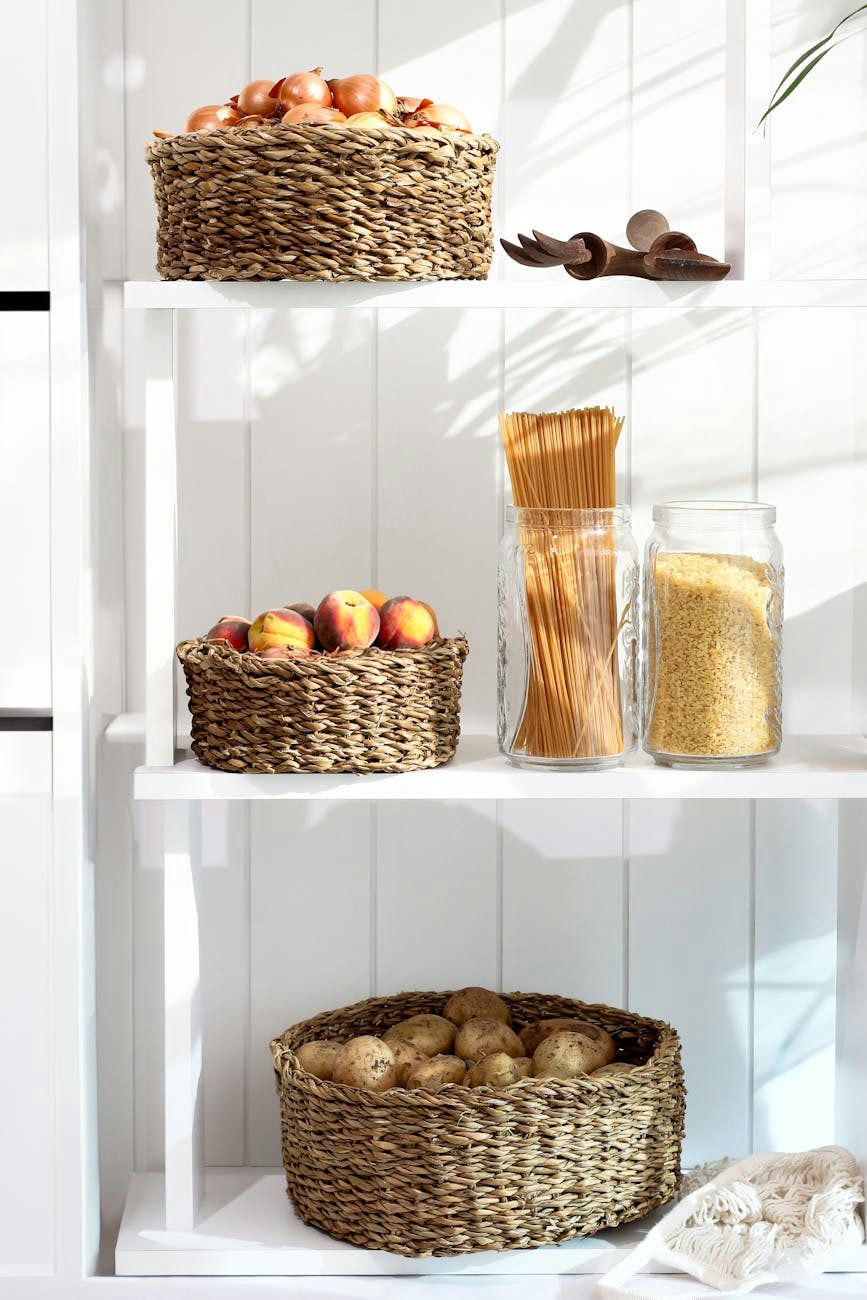
Before buying new organisers, look around your home.
Unused baskets from:
- Bedrooms
- Bathrooms
- Utility rooms
can often be repurposed for pantry storage.
Baskets work particularly well for grouping snacks and smaller items together.
Create Pantry Zones
One of the biggest organisation mistakes is placing items wherever there happens to be space. Instead, create dedicated zones.
Breakfast Zone
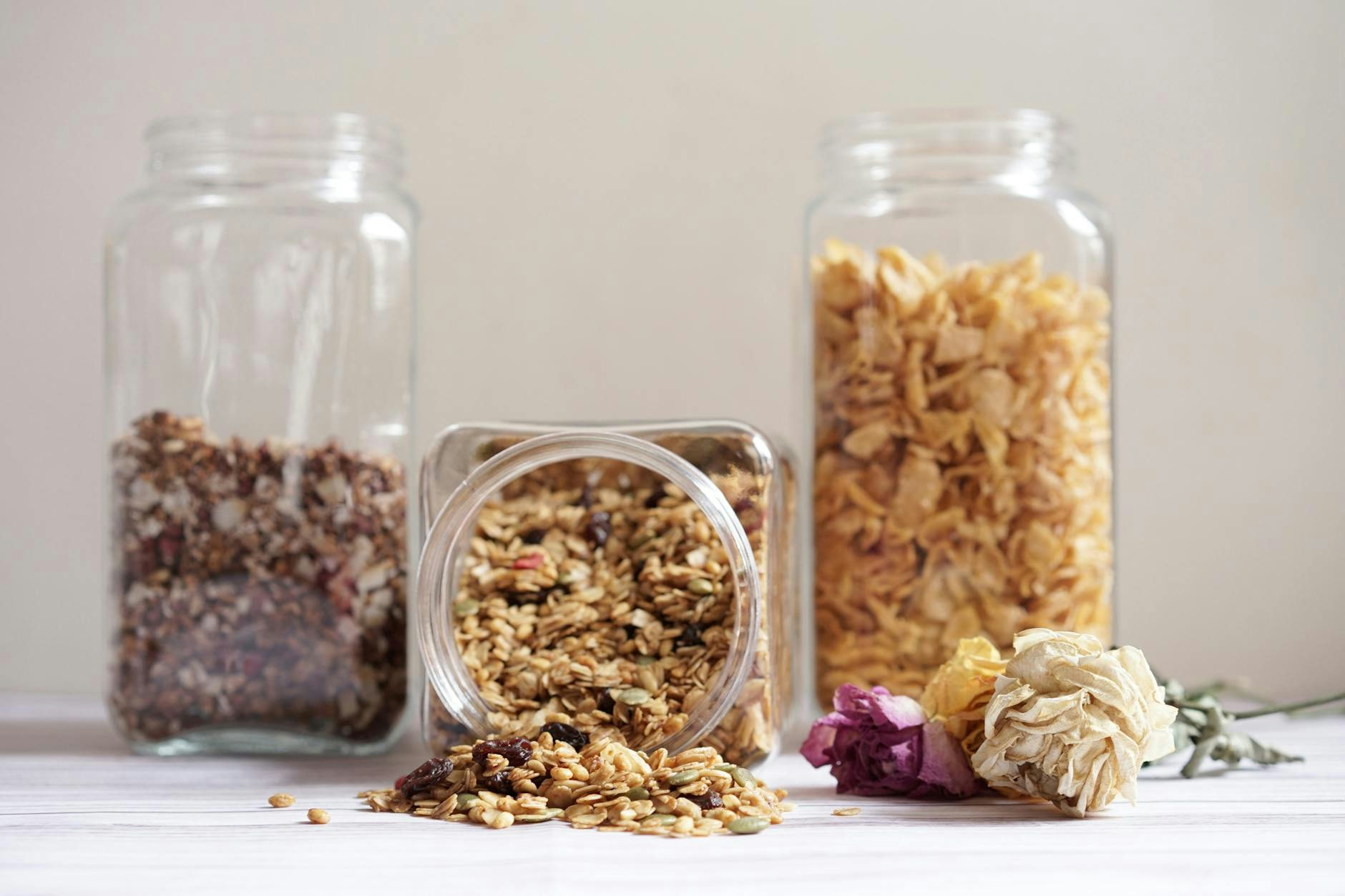
Store:
- Cereal
- Porridge oats
- Tea
- Coffee
- Breakfast bars
Keeping breakfast items together makes busy mornings much simpler.
Baking Zone
Group together:
- Flour
- Sugar
- Baking powder
- Cake decorations
- Measuring tools
This prevents you from searching through multiple cupboards every time you bake.
Snack Zone
Creating a dedicated snack section can help keep the pantry organised and make lunch preparation easier.
Use baskets or small containers to separate:
- Crisps
- Biscuits
- Cereal bars
- Dried fruit
Make Use of Vertical Space
Many pantry shelves contain a surprising amount of wasted vertical space. Maximising height is one of the easiest ways to increase storage capacity.
Add Shelf Risers
Shelf risers effectively create a second shelf inside a cupboard.
They’re ideal for:
Tinned goods
Jars
Mugs
ClutterCraft Recommended
Expandable Shelf Risers
Use Stackable Storage Bins
Stackable containers allow you to take advantage of unused space above shorter items.
They work especially well for:
- Snacks
- Baking supplies
- Packets of food
- Small tins
ClutterCraft Recommended
Clear Stackable Storage Bins
Organise Small Items with Baskets
Small packets and sachets are often responsible for making a pantry feel messy.
Examples include:
- Gravy granules
- Seasoning sachets
- Instant soups
- Stock cubes
Placing these items into baskets or containers keeps shelves neat and prevents things getting lost at the back.
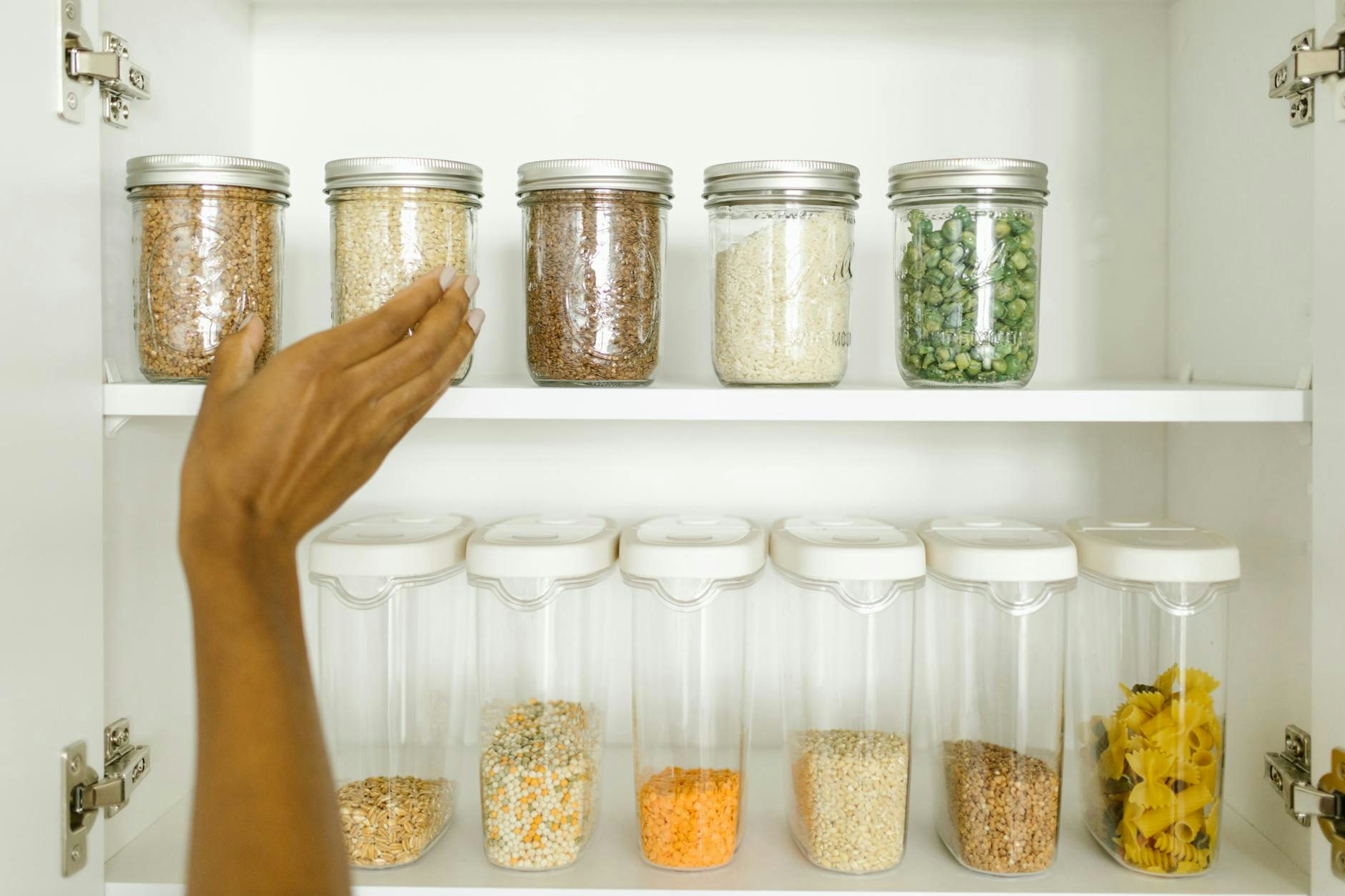
Store Dry Goods in Containers
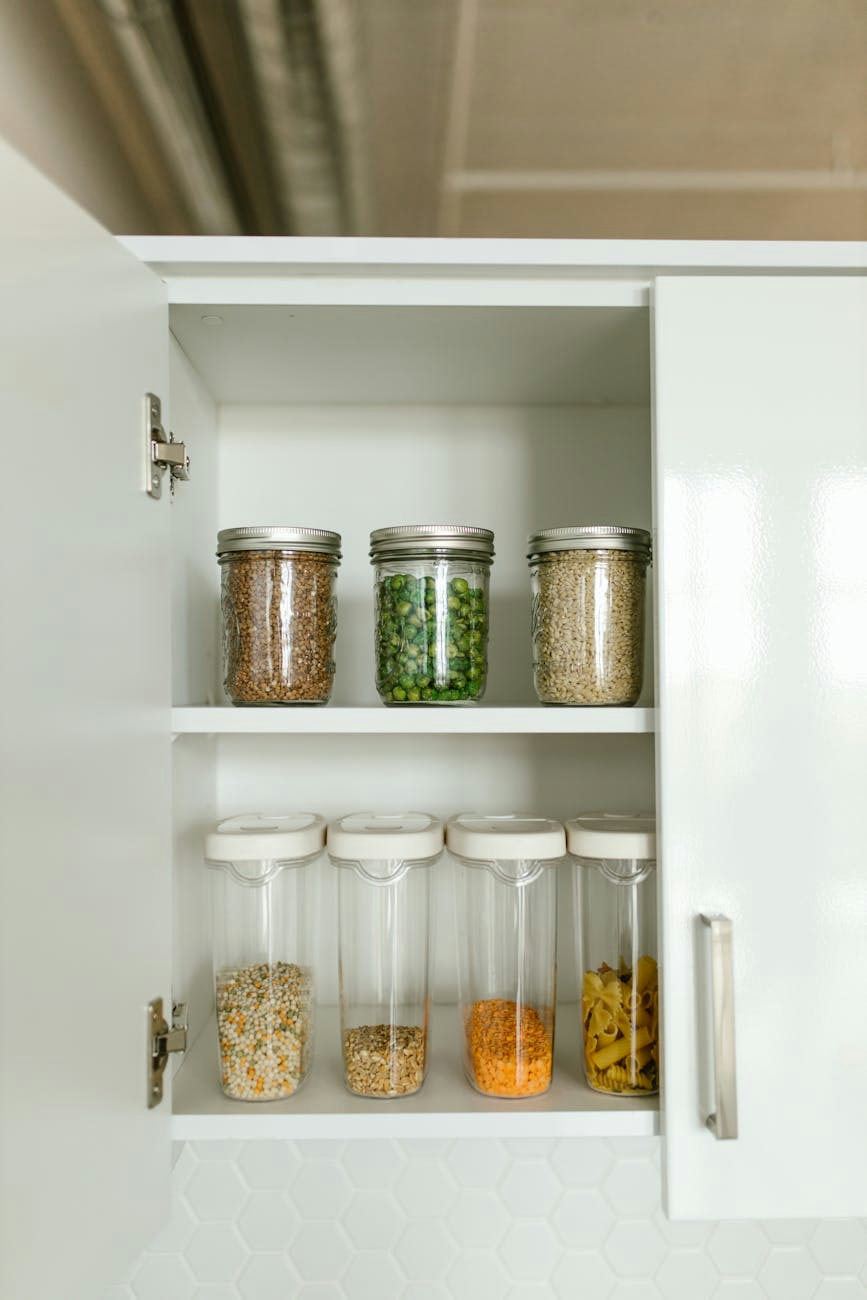
You don’t need expensive matching sets to create a functional pantry.
Even a handful of containers can make a huge difference.
Benefits of Decanting Food
Transferring food into containers can:
- Save space
- Reduce clutter
- Keep food fresher
- Prevent spills
- Improve visibility
Consider decanting:
- Rice
- Pasta
- Flour
- Sugar
- Cereal
ClutterCraft Recommended
Airtight Food Storage Containers
Utilise the Back of Pantry Doors
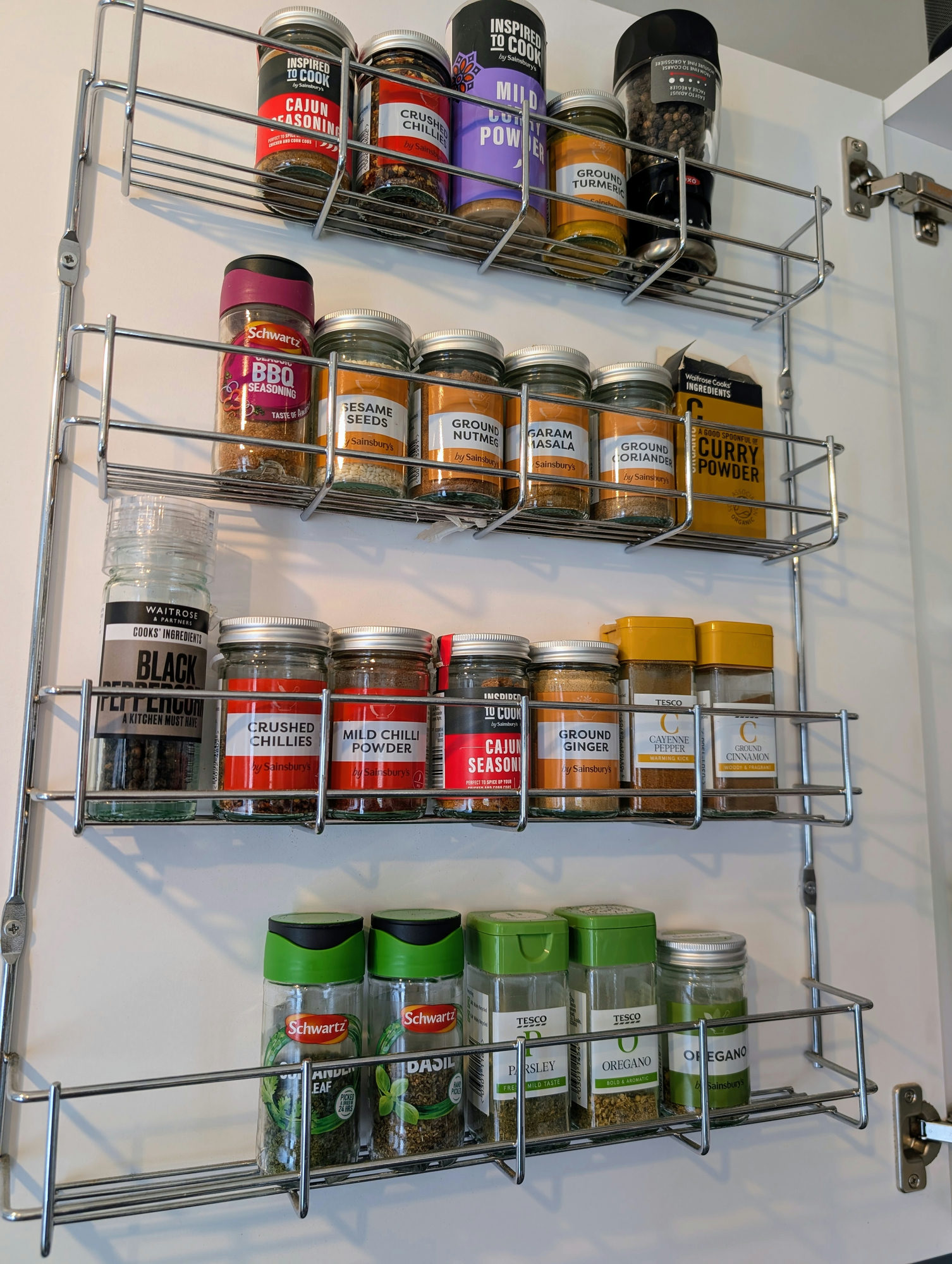
The inside of pantry doors is often completely unused.
This space can be transformed into valuable storage.
Great Items for Door Storage
Store:
- Herbs and spices
- Foil and cling film
- Cleaning products
- Small packets
Rotate Food to Reduce Waste
Many households accidentally waste food because older products become hidden behind newer purchases.
Follow FIFO
FIFO stands for First In, First Out.
- Move older items to the front.
- Place newer items behind them.
This encourages older products to be used first.
Use Labels for Easy Maintenance
Labels are one of the simplest ways to maintain an organised pantry.
Without labels, family members often return items to the wrong place.
What to Label
Consider labelling:
- Containers
- Baskets
- Shelves
- Drawers
This creates a clear system that everyone can follow.
ClutterCraft Recommended
Reusable Chalk Labels
Create a Pantry Inventory Sheet

A pantry inventory helps prevent overbuying.
You don’t need anything complicated.
A simple sheet listing common pantry staples can help you track:
Rice
Pasta
Tinned goods
Baking supplies
Snacks
This can save money over time.
DIY Pantry Organisation Ideas for Renters
If you’re renting, you may not be able to install shelves or make permanent changes.
Fortunately, there are still plenty of options.
Try:
- Freestanding shelf risers
- Stackable bins
- Adhesive hooks
- Rolling storage trolleys
- Door organisers
These solutions can usually move with you when you relocate.
Common Pantry Organisation Mistakes
Avoid these common pitfalls.
Buying Too Many Containers
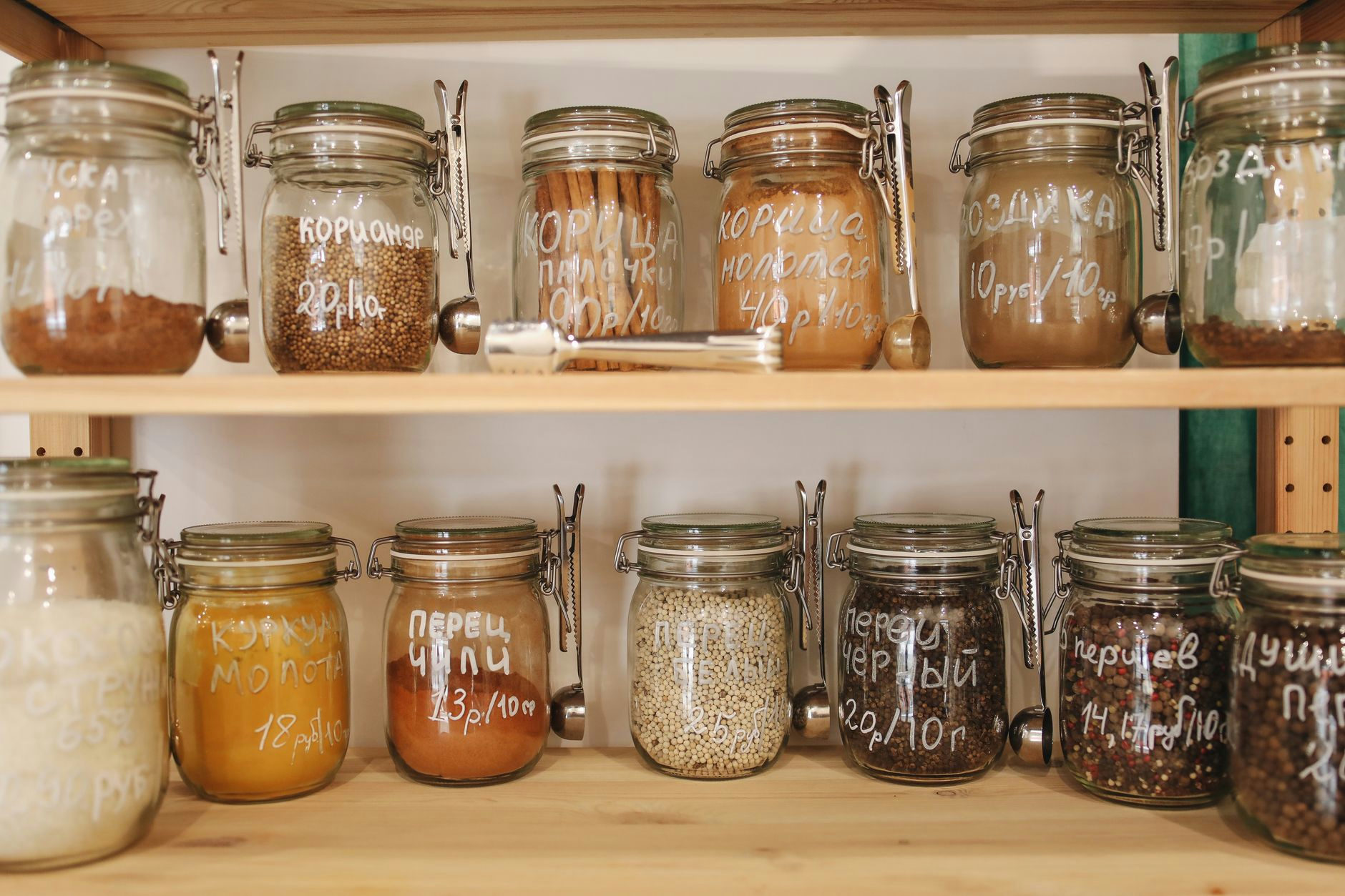
Not everything needs its own container.
Start small and add organisers only when they solve a specific problem.
Ignoring Expiry Dates
No amount of storage can compensate for keeping unnecessary items.
Decluttering should always come before organising and regularly checking expiry dates keeps your pantry functional and reduces waste.
Frequently Asked Questions
How can I organise my pantry cheaply?
Start by decluttering, grouping similar items together, and repurposing jars, baskets, and containers you already own. Many effective pantry organisation solutions cost little or nothing.
What is the best way to organise pantry shelves?
Create zones based on food categories, use shelf risers to maximise vertical space, and store frequently used items at eye level.
Do I need matching containers?
Not at all. While matching containers can look attractive, functionality is more important. Repurposed jars and affordable containers work perfectly well.
How often should I reorganise my pantry?
A quick monthly check is usually enough. Use this time to tidy shelves, check expiry dates, and update your inventory.
Are pantry labels really necessary?
Labels aren’t essential, but they do make it easier to maintain an organised system and help other household members know where items belong.
Final Thoughts
Creating an organised pantry doesn’t require a huge budget or a complete kitchen renovation.
By decluttering first, using what you already own, creating simple storage zones, and making the most of vertical space, you can transform even the smallest pantry into an efficient and organised area.
Remember that the goal isn’t perfection. The best pantry organisation system is one that works for your lifestyle and is easy to maintain over time.
Start with one shelf, one basket, or one category of food. Small improvements quickly add up, and before long you’ll have a pantry that’s easier to use, easier to maintain, and much more enjoyable to look at.