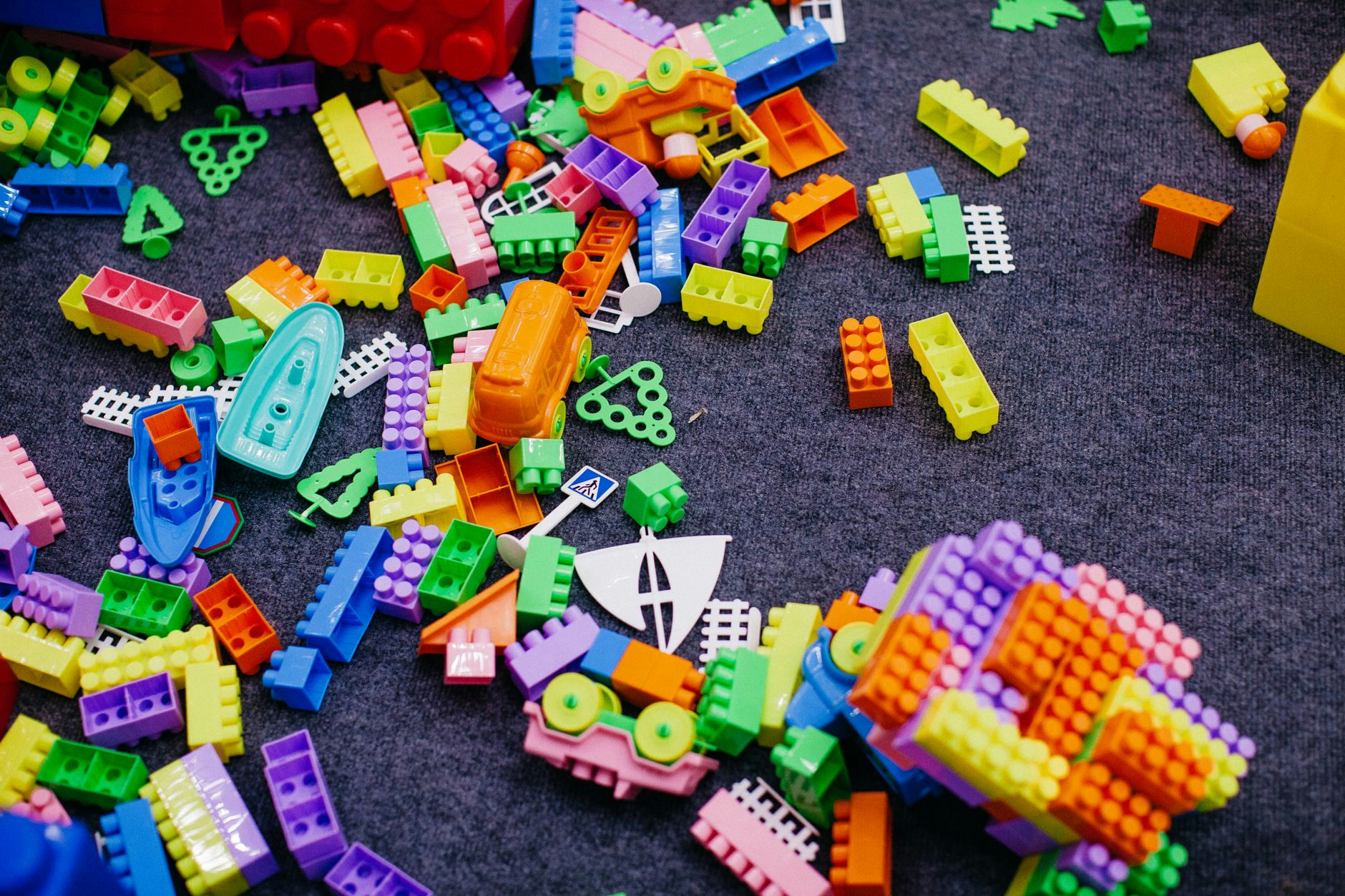
If you have children, you'll know how quickly toys can take over a room. One minute the floor is clear, and the next it's covered with building blocks, dolls, books, puzzles, and soft toys. The challenge becomes even greater when you're working with a small bedroom, shared space, or compact family home. Limited floor space means every storage solution needs to work harder.
The good news is that you don't need expensive fitted furniture or a complete playroom makeover to keep toys organised. With a little creativity and a few budget-friendly materials, you can create practical toy storage systems that are easy for children to use and maintain.
In this guide, you'll discover DIY toy storage ideas for small rooms that help reduce clutter, maximise space, and make tidying up far less stressful.
Why Toy Storage Matters
An organised toy storage system offers benefits for both children and parents.
Good toy organisation can:
- Reduce clutter
- Make cleaning easier
- Help children find toys quickly
- Encourage independent tidying
- Prevent toys from getting damaged
- Maximise available space
The key is creating storage that is simple enough for children to use every day.
Start with a Toy Declutter
Before building storage solutions, take time to sort through existing toys.
Most families are surprised by how many broken, duplicate, or forgotten toys they own.
Sort Toys into Categories
Create four piles:
- Keep
- Donate
- Sell
- Recycle
Removing unused toys instantly creates more storage space.
Involve Your Children
If they're old enough, encourage children to help decide what stays and what goes. This can help them develop organisation skills and reduce resistance to decluttering.
However, some children get attached to toys and do not want to say goodbye to them for years, so do consider this before starting the declutter.
Use Storage Cubes and Fabric Bins
Storage cubes are one of the most versatile toy organisation solutions available.
They provide easy access while keeping toys hidden from view.
Perfect for Storing
- Building blocks
- Action figures
- Dolls
- Soft toys
- Craft supplies
Children can easily pull out a bin, play, and then return it when finished.
Repurpose Shoe Boxes for Small Toys

One of the cheapest DIY toy storage solutions is using empty shoe boxes.
Cover them with wrapping paper (which can become a fun rainy day activity for your children) or sticky-back plastic and use them to organise:
- Toy cars
- Puzzle pieces
- Craft materials
- Collectibles
Adding labels makes it easier for children to find and return items (if/when they can read!).
Make Use of Vertical Space
Small rooms often have limited floor space but plenty of unused wall space.
Vertical storage can dramatically increase capacity without making a room feel cramped.
Install Floating Shelves
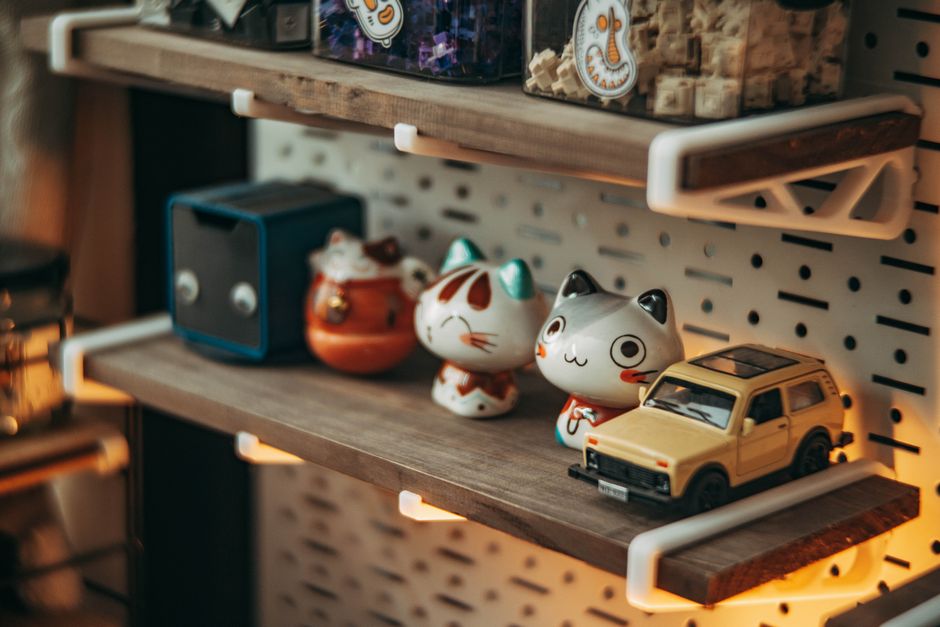
Floating shelves work well for:
- Books
- Display toys
- Collectibles
- Decorative storage baskets
Position shelves high enough to free up floor space but low enough for safe access where appropriate.
Add Wall-Mounted Baskets
Wall baskets are ideal for:
- Soft toys
- Small books
- Art supplies
They keep frequently used items accessible while reducing clutter.
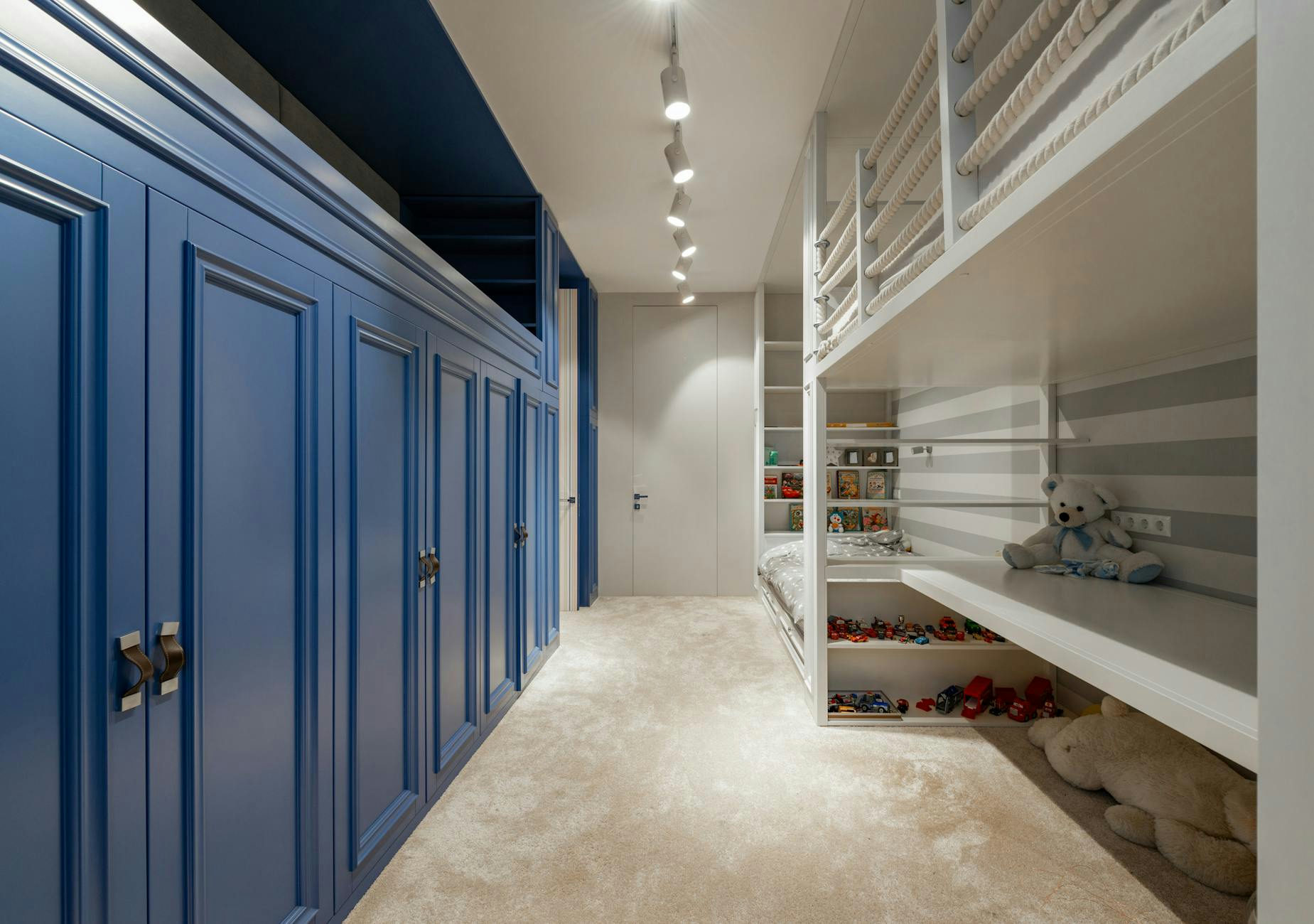
Create Under-Bed Toy Storage
The space beneath a bed is often completely wasted.
Store Less Frequently Used Toys
- Seasonal toys
- Large toy sets
- Board games
- Spare craft supplies
Use Hanging Organisers
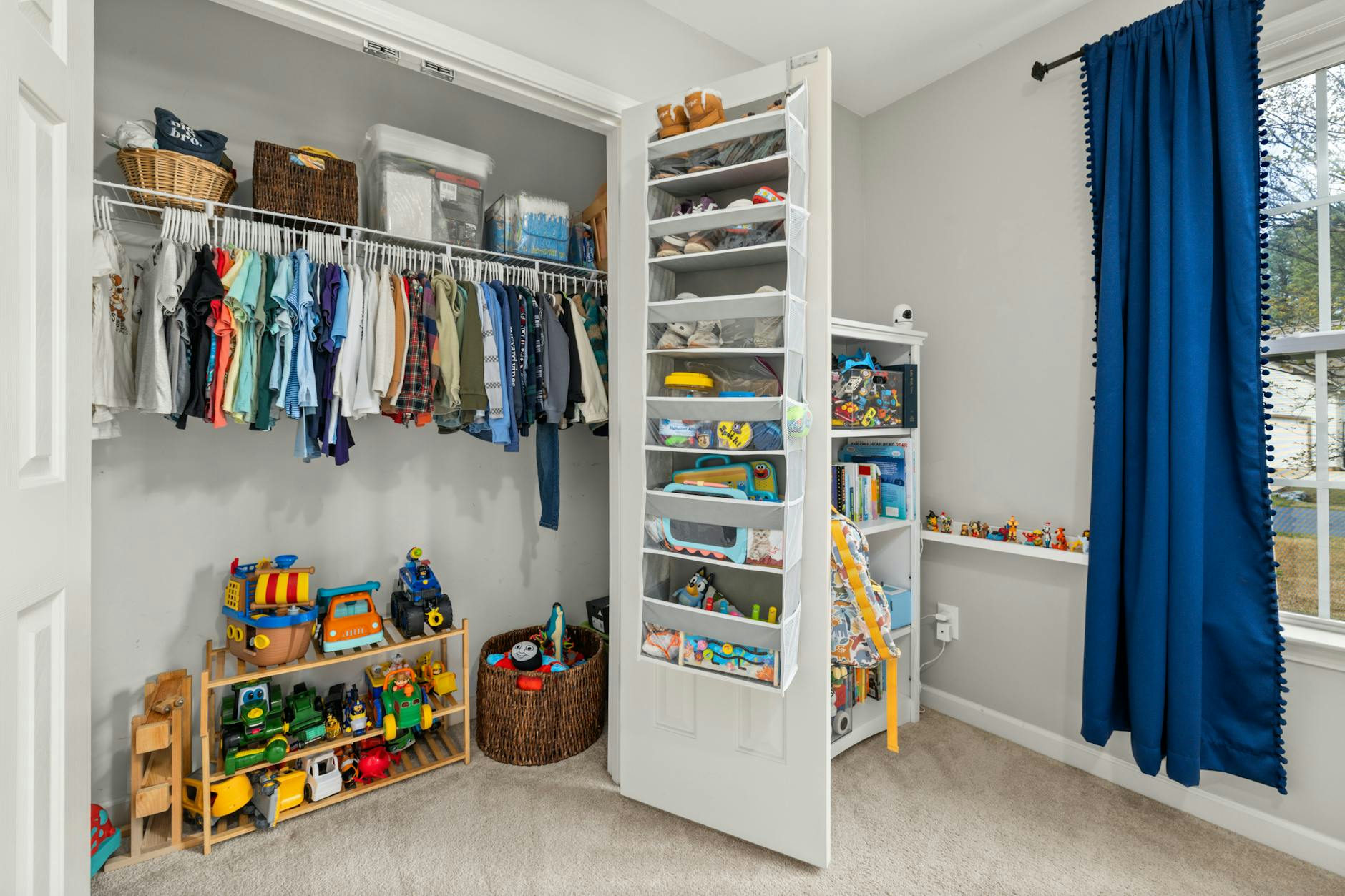
Hanging storage is particularly useful in small bedrooms.
Over-the-Door Organisers
- Soft toys
- Dolls
- Toy accessories
- Art supplies
They're especially useful for renters because no drilling is required.
ClutterCraft Recommended
Over-the-Door Organiser
Build a DIY Book Display
Children are more likely to read books when they can see them.
Use Picture Ledges
Install narrow shelves to display books with their covers facing outward.
Benefits include:
- Easy access
- Better visibility
- Encourages reading
- Saves floor space
Add Toy Storage Drawers

If your budget can stretch to it, drawers within a storage box provide easy access to toys while keeping toys hidden from view.
Perfect for Storing
- Craft supplies
- Building blocks
- Dolls
- Soft toys
- Anything else!
Children can easily pull out a drawer, play, and then return it when finished.
It's also a good way of organising toys into groups so you can find them more easily later. All building blocks in one drawer, for example.
Create Toy Rotation Storage
Not every toy needs to be available all the time.
How Toy Rotation Works
Keep a selection of toys available.
Store the rest in boxes or containers and swap them every few weeks.
Benefits include:
- Less mess
- More focused play
- Reduced overwhelm
- Toys feel "new" again
Organise Arts and Crafts Supplies
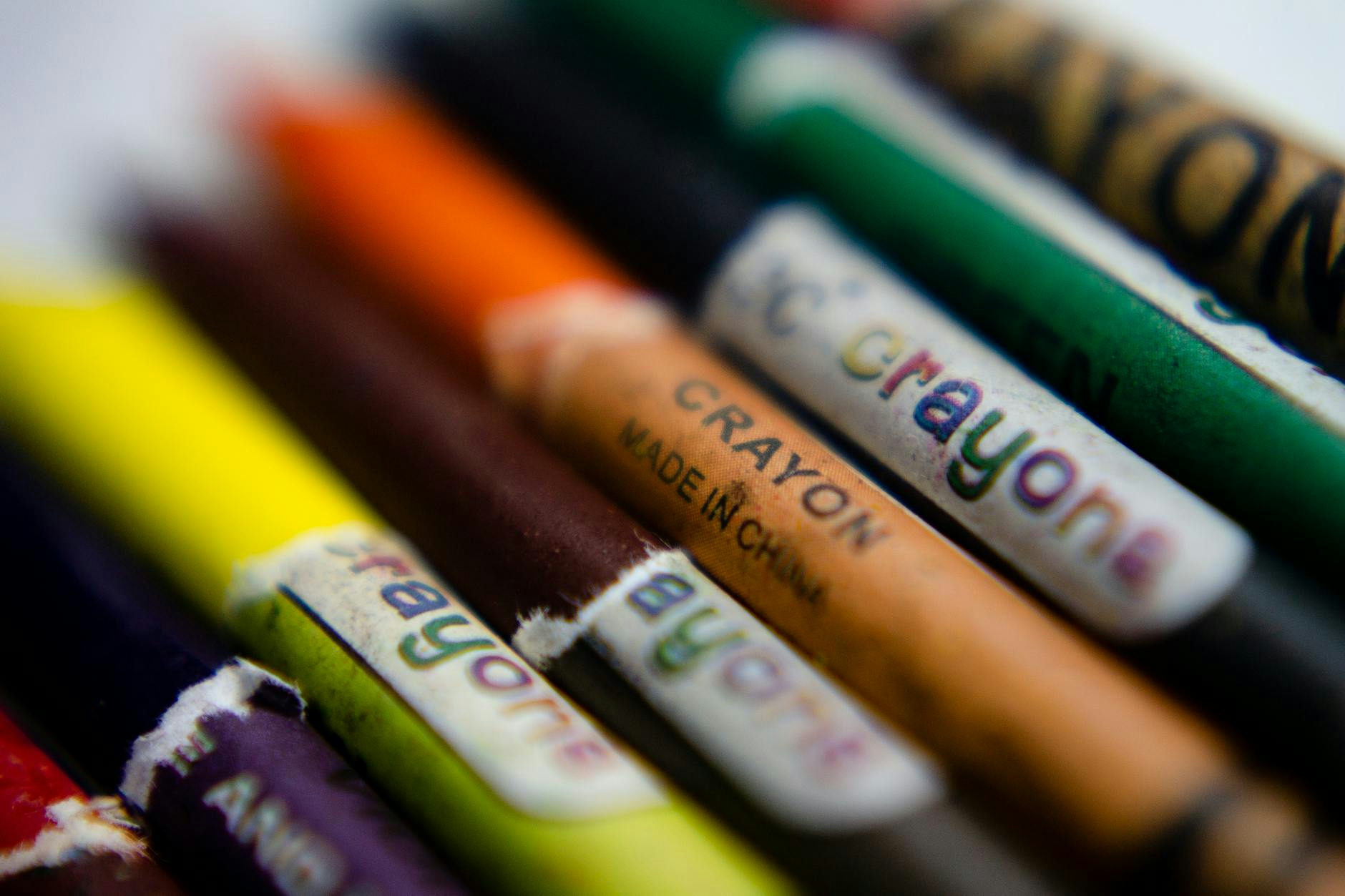
Craft materials can quickly become one of the messiest categories of toys.
Use Clear Containers
Separate:
- Crayons
- Pens
- Paintbrushes
- Glue sticks
- Paper supplies
This makes activities easier to set up and tidy away.
Store Soft Toys Efficiently
Soft toys often consume a surprising amount of space.
Use a Hanging Toy Hammock
A toy hammock keeps soft toys off the floor while creating an attractive display.
ClutterCraft Recommended
Toy Hammock
Use Large Storage Baskets
Large baskets allow children to quickly tidy away soft toys at the end of the day.
DIY Toy Storage Ideas for Shared Bedrooms
Shared bedrooms require storage that maximises every available centimetre.
Assign Storage Zones
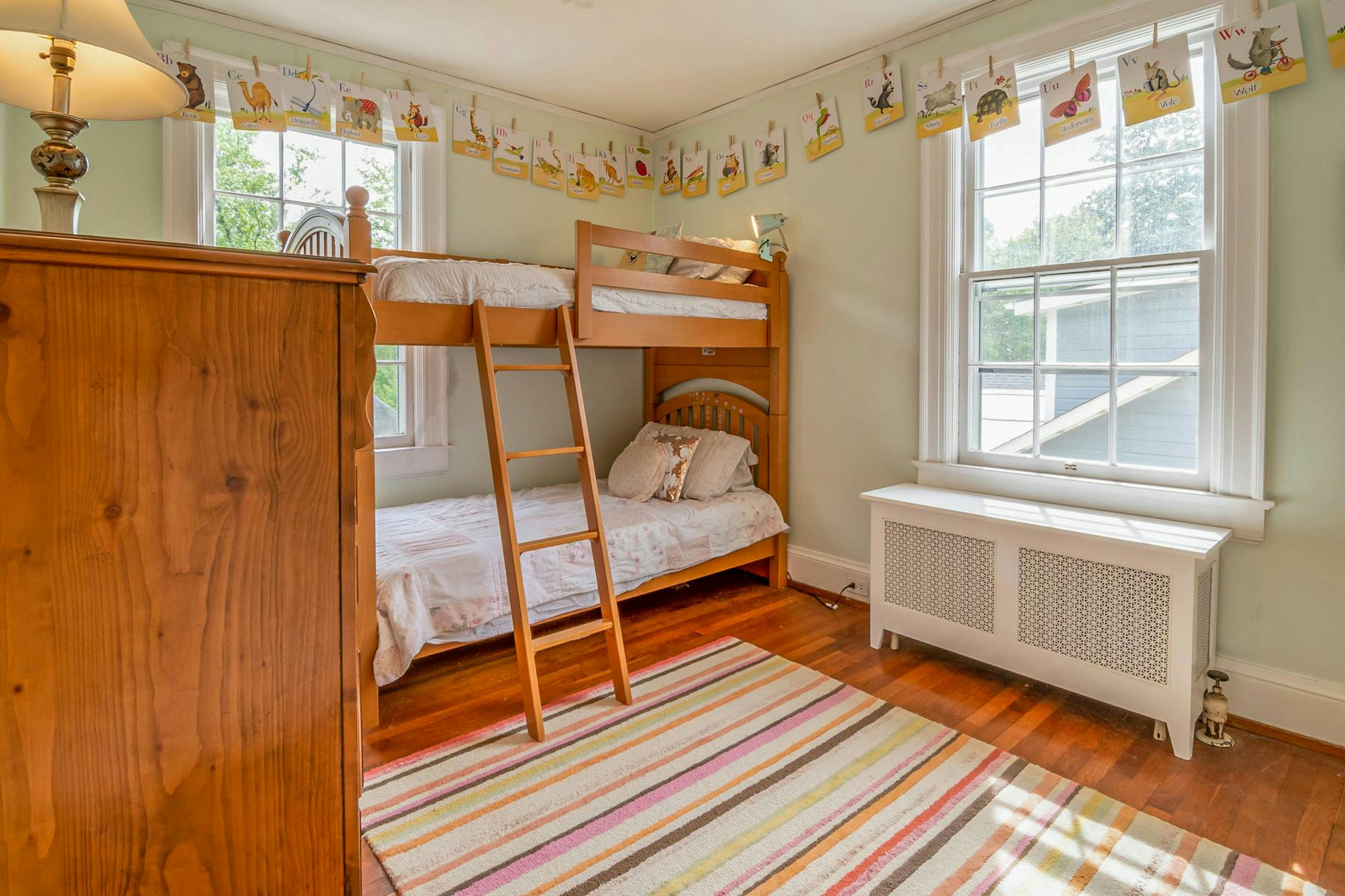
Give each child:
- Their own bin
- Their own shelf
- Their own drawer
This reduces confusion, gives them a sense of ownership, and makes tidying easier.
Use Stackable Storage
Stackable solutions make the most of limited floor space while keeping toys organised.
Common Toy Storage Mistakes
Avoid these common mistakes.
Keeping Too Many Toys
Even the best storage system will struggle if there are simply too many toys.
Making Storage Difficult to Access
Children are more likely to tidy up if storage is easy to use.
Ignoring Vertical Space
Walls, doors, and corners offer valuable storage opportunities.
Buying Storage Before Decluttering
Always reduce toy volume before investing in storage solutions.
Frequently Asked Questions
What is the cheapest way to store toys?
Repurposed shoe boxes, baskets, cardboard boxes, and second-hand storage units can provide effective toy storage on a budget.
How do I organise toys in a small bedroom?
Use vertical storage, under-bed containers, wall shelves, and hanging organisers to maximise available space.
How can I encourage children to tidy up?
Use simple storage systems, clear labels, and easy-to-access containers. Keeping categories straightforward makes tidying much easier. We can't guarantee this will work for all children though...including my own!
What is toy rotation?
Toy rotation involves storing some toys away and regularly swapping them with toys currently in use. This reduces clutter and keeps children engaged.
How often should I declutter toys?
Most families benefit from reviewing toys every three to six months, particularly before birthdays and Christmas.
Final Thoughts
Keeping toys organised in a small room doesn't require expensive storage furniture or a dedicated playroom. By making use of vertical space, repurposing everyday items, creating clear toy categories, and introducing simple DIY storage solutions, you can dramatically reduce clutter while making toys easier to access and enjoy.
Start with a declutter, focus on the storage challenges causing the biggest frustration, and build your organisation system gradually. Even a few simple changes can make a noticeable difference. The best toy storage solution is one that children can use independently and that fits naturally into your family's daily routine.