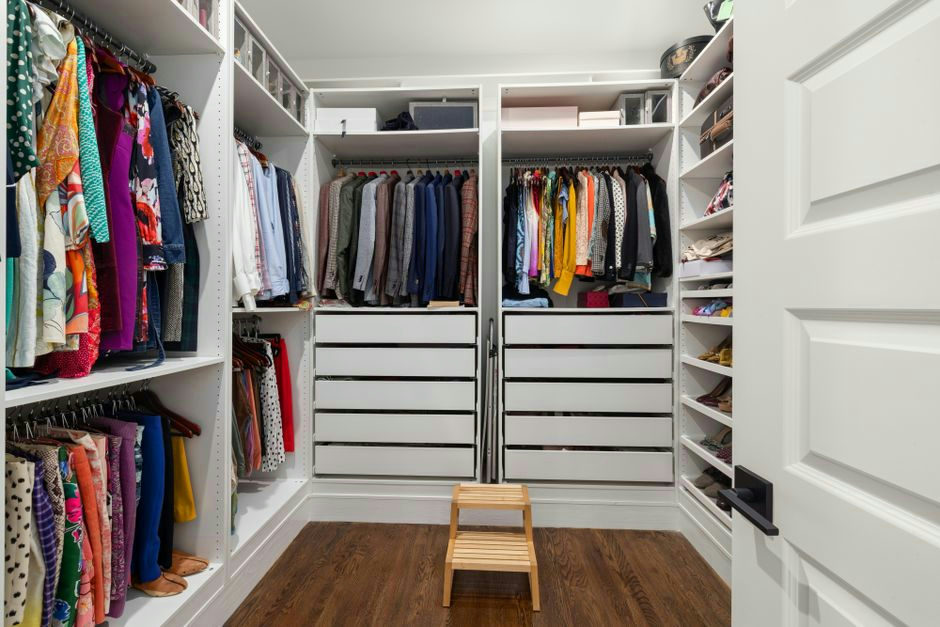
A cluttered wardrobe can make even the most organised bedroom feel chaotic. When clothes are crammed onto shelves, shoes are piled on the floor, and accessories seem to disappear into thin air, getting dressed each morning can quickly become frustrating.
The good news is that creating a well-organised wardrobe doesn’t require expensive fitted storage systems or a complete bedroom makeover. With a little creativity and a few inexpensive materials, you can transform your wardrobe into a practical and organised space that works for your lifestyle.
In this guide, you’ll discover DIY wardrobe organiser ideas using cheap materials that can help maximise storage, reduce clutter, and make better use of every inch of space.
Why Organising Your Wardrobe Matters
An organised wardrobe offers more benefits than simply looking tidy.
A well-planned wardrobe can:
- Save time each morning
- Make it easier to find clothes
- Prevent duplicate purchases
- Protect clothing from damage
- Maximise limited storage space
- Make seasonal wardrobe changes simpler
Most importantly, it helps you make the most of the storage space you already have.
Start with a Wardrobe Declutter

Before building organisers or buying storage solutions, take time to declutter.
Many wardrobes contain:
- Clothes that no longer fit
- Items that haven’t been worn in years
- Duplicate pieces
- Damaged clothing
- Unused accessories
Sort everything into four categories:
- Keep
- Donate
- Sell
- Recycle
Removing unnecessary items immediately creates more usable space.
The One-Year Rule
If you haven’t worn an item in the last year and it has no sentimental value, consider whether it’s worth keeping.
This simple rule can dramatically reduce wardrobe clutter.
Use Cardboard Boxes as Drawer Dividers
One of the cheapest wardrobe organisation solutions is hiding in your recycling bin.
Cardboard boxes can be cut and customised to create drawer dividers.
Perfect for Organising
- Socks
- Underwear
- Belts
- Scarves
- Accessories
By creating separate compartments, you’ll spend less time searching for items.
DIY Tip
Cover cardboard dividers with decorative wrapping paper for a cleaner appearance.
Create Storage from Shoe Boxes

Shoe boxes are ideal for creating budget-friendly wardrobe storage.
Use them to organise:
- Seasonal accessories
- Handbags
- Jewellery
- Sportswear
- Small clothing items
Adding labels makes it easy to identify contents without opening each box.
ClutterCraft Recommended
Label Maker
Add Extra Hanging Space with Fizzy Drink Can Ring Pulls
This clever DIY hack costs virtually nothing.
By placing one side of a fizzy drink can ring pull over a hanger hook, you can hang a second hanger off the other side.
Benefits
- Doubles hanging space
- Ideal for small wardrobes
- Great for coordinating outfits
This method works particularly well in wardrobes with limited rail space. Just choose a ring pull without any sharp corners so you don’t snag your clothes!
Use Tension Rails for Additional Storage
Tension rails are affordable, easy to install, and perfect for renters.
Ways to Use Tension Rails
- Create a second hanging rail
- Store scarves
- Hang handbags
- Organise cleaning cloths
- Separate clothing categories
They can instantly increase wardrobe capacity without permanent alterations.
Maximise Vertical Space
Many wardrobes have unused vertical space above hanging clothes.
Making use of this area can significantly increase storage capacity.
Add Storage Baskets

Use baskets on higher shelves to store:
- Seasonal clothing
- Spare bedding
- Hats
- Travel accessories
Matching baskets create a cleaner, more organised appearance.
ClutterCraft Recommended
Woven Storage Baskets
Use Stackable Storage Boxes
Stackable boxes help utilise every centimetre of shelf space.
They’re ideal for:
- Jumpers
- T-shirts
- Seasonal items
- Spare linens
Create a DIY Shoe Storage System
Shoes often consume valuable wardrobe floor space.
Fortunately, there are several low-cost solutions.
Use Plastic Crates
Stackable plastic crates can be arranged to create a simple shoe storage unit.
Benefits include:
- Affordable
- Customisable
- Easy to expand
Store Seasonal Clothing Efficiently
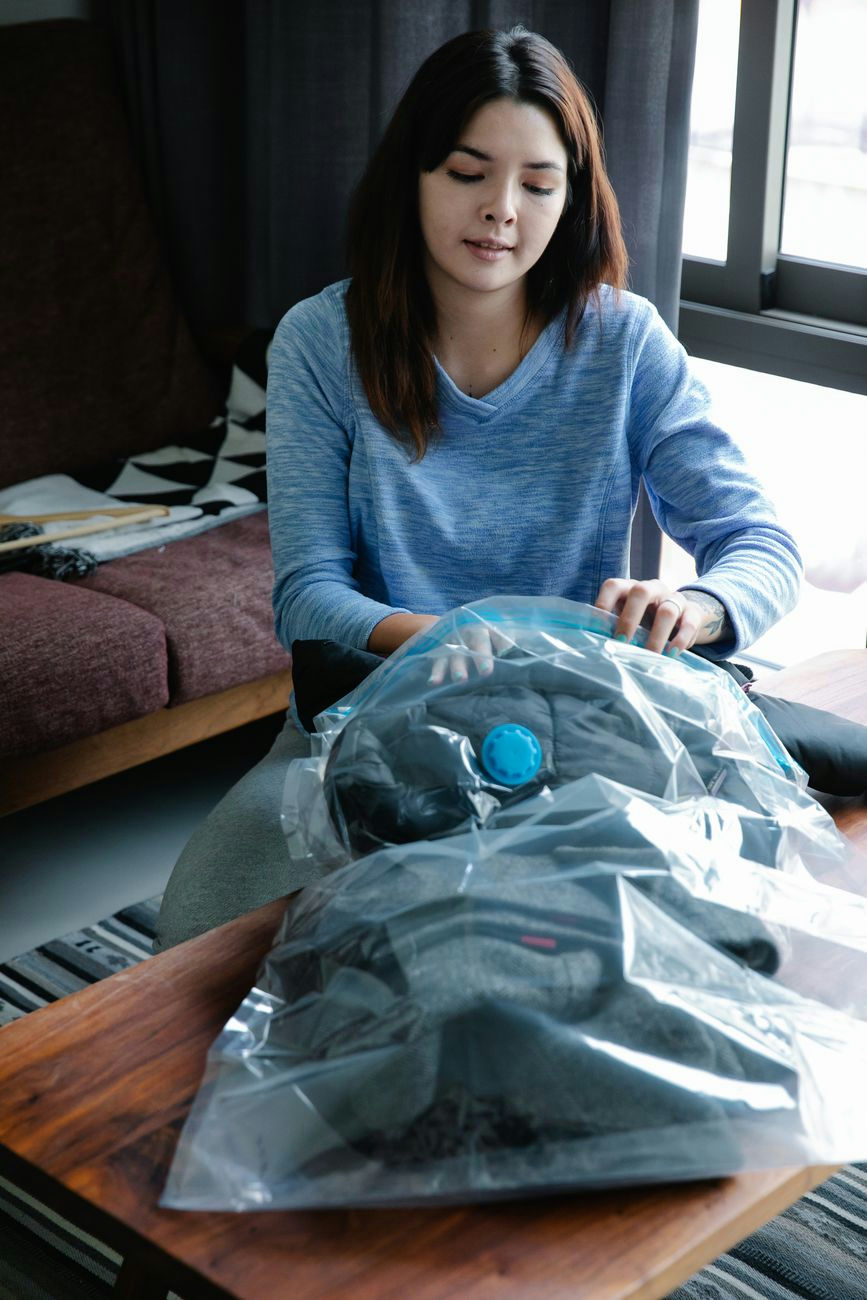
Bulky seasonal clothing can take up a large amount of wardrobe space.
Use Vacuum Storage Bags
Store off-season items such as:
- Winter coats
- Jumpers
- Duvets
- Seasonal bedding
Vacuum bags dramatically reduce storage requirements.
ClutterCraft Recommended
Vacuum Storage Bags
Organise Accessories with DIY Solutions
Accessories are often the most difficult items to keep organised.
Use Pegboards
Pegboards can hold:
- Jewellery
- Sunglasses
- Belts
- Scarves
They’re affordable and highly customisable.
ClutterCraft Recommended
Pegboard Organisation Kit
Repurpose Ice Cube Trays
Ice cube trays work surprisingly well for storing:
- Rings
- Earrings
- Cufflinks
- Small accessories
This simple solution costs little and helps prevent items getting lost.
Create a Handbag Organisation Zone

Handbags often become crushed or misshapen when stored incorrectly.
Use Shelf Dividers
Shelf dividers create separate spaces for each bag.
This helps maintain their shape and keeps them easily accessible.
Use Door Space for Extra Storage
Wardrobe doors offer valuable storage opportunities.
Install Over-the-Door Organisers
These can hold:
- Shoes
- Accessories
- Hair tools
- Make up
- Small clothing items
Add Adhesive Hooks
Hooks can be used for:
- Handbags
- Belts
- Scarves
- Dressing gowns
They’re inexpensive and simple to install.
DIY Wardrobe Organisation for Small Bedrooms
If you have a particularly small bedroom, focus on multifunctional storage.
Use Under-Bed Storage

Store:
- Seasonal clothing
- Shoes
- Spare bedding
beneath the bed to free up wardrobe space.
Rotate Clothing Seasonally
Keeping only current-season clothing easily accessible reduces overcrowding and makes wardrobes feel more organised.
Common Wardrobe Organisation Mistakes
Avoid these common pitfalls.
Keeping Clothes That No Longer Fit
Unworn clothing takes up valuable storage space.
Ignoring Vertical Storage
Many wardrobes contain significant unused space above hanging rails.
Buying Organisers Before Decluttering
Always declutter first so you know exactly what storage solutions are needed.
Frequently Asked Questions
What is the cheapest way to organise a wardrobe?
Start by decluttering and repurposing items you already own, such as cardboard boxes, shoe boxes, baskets, and containers.
How can I maximise wardrobe space?
Use vertical storage, add shelf organisers, install tension rails, and store seasonal clothing elsewhere when not in use.
Are DIY wardrobe organisers effective?
Yes. Many DIY solutions are just as effective as expensive storage systems and can often be customised to fit your specific needs.
How often should I declutter my wardrobe?
Most people benefit from reviewing their wardrobe every three to six months, particularly during seasonal changes.
What is the best storage solution for small wardrobes?
A combination of shelf dividers, storage boxes, and hanging organisers usually provides the best results.
Final Thoughts
Creating an organised wardrobe doesn’t have to involve expensive custom drawers or professional organisation systems. By using simple DIY wardrobe organiser ideas and affordable materials, you can dramatically improve your storage space while spending very little money.
Start with a thorough declutter, make use of vertical space, repurpose items you already own, and introduce storage solutions gradually. Small changes can have a surprisingly large impact. The best wardrobe organisation system isn’t necessarily the most expensive—it’s the one that’s easy to maintain and works for your daily routine.