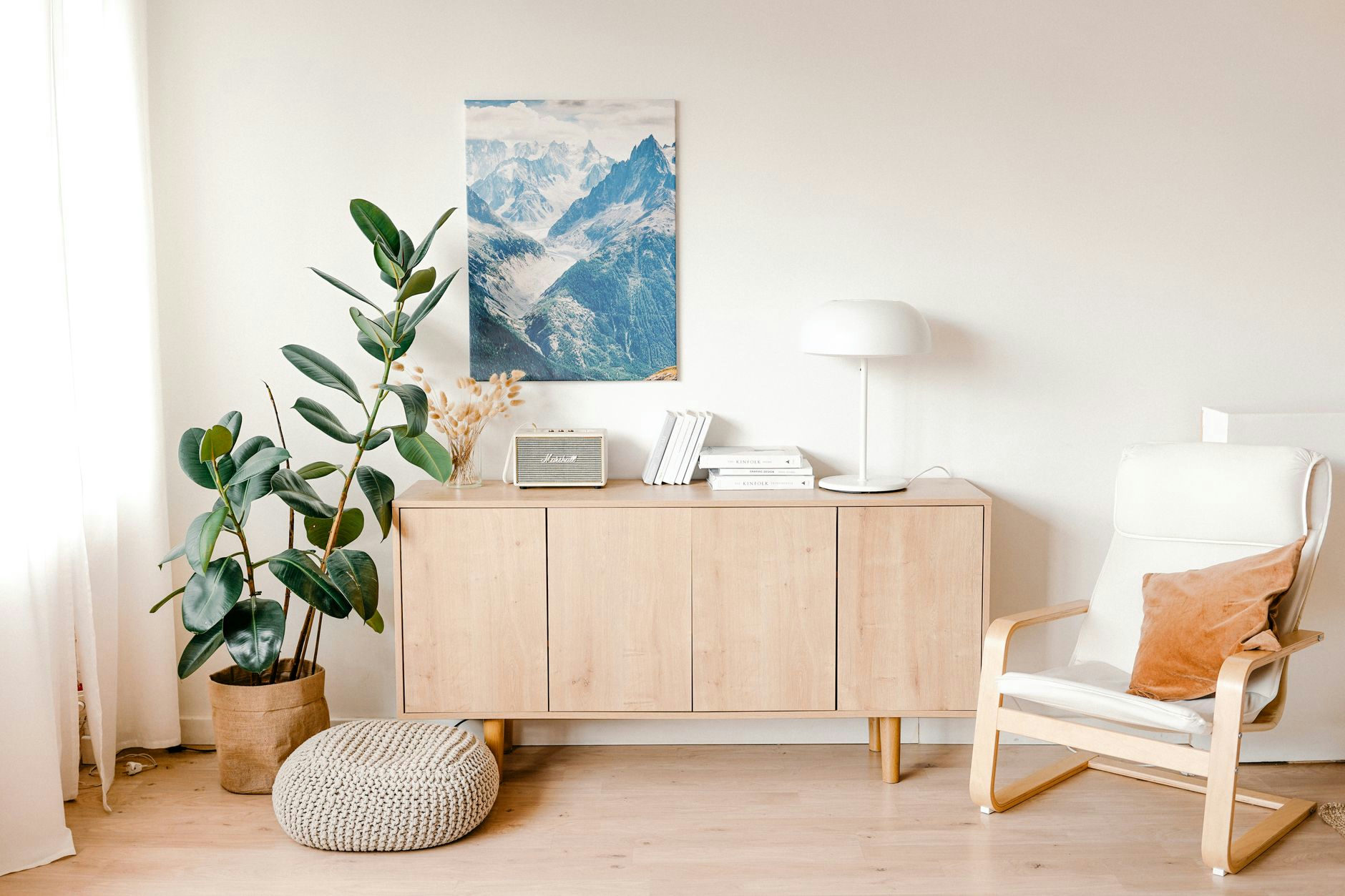
Terraced homes are compact and full of quirks: a slim hallway that swallows shoes, an under‑stairs cave that becomes a jumble, alcoves either side of a chimney breast, and a boxy bathroom where bottles live on the floor. The way through is not more baskets under every chair. It is choosing a handful of hard‑working moves that suit a terrace’s layout and traffic so you gain space without making rooms feel busy.
This guide gives you seventeen proven ideas. Most are landlord‑friendly; a few are weekend projects if you own. Expect specific kit suggestions, measurements to check before you buy, and where to place things so doors still open, radiators can breathe and walkways stay clear.
Turn the Under‑Stairs Cupboard Into Zones
The void under the stairs can hold coats, cleaning kit and shoes without becoming a black hole. Line one side with shallow shelves for baskets, then keep the floor clear for taller items like the hoover. Fit a row of sturdy hooks at two heights so kids’ coats do not bury the adults’.
If you own your own home, add pull‑out crates on runners so you can reach the back. In a rental, use stackable boxes with front labels and a low shoe rack at the door so mud stays near the threshold. Leave 5–10 cm clearance for the door sweep and check it still closes cleanly with hooks loaded.
Slim Hallway Storage That Clears the Swing
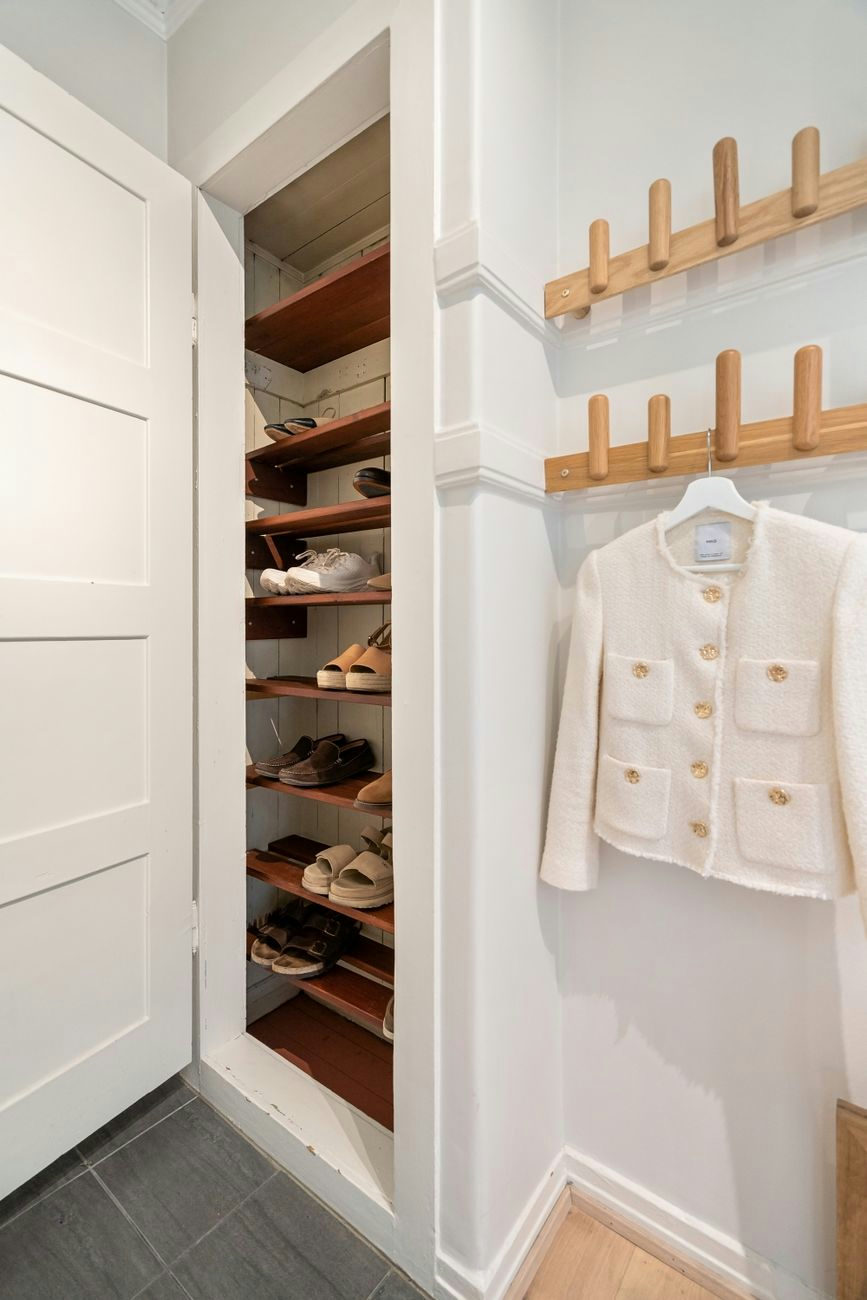
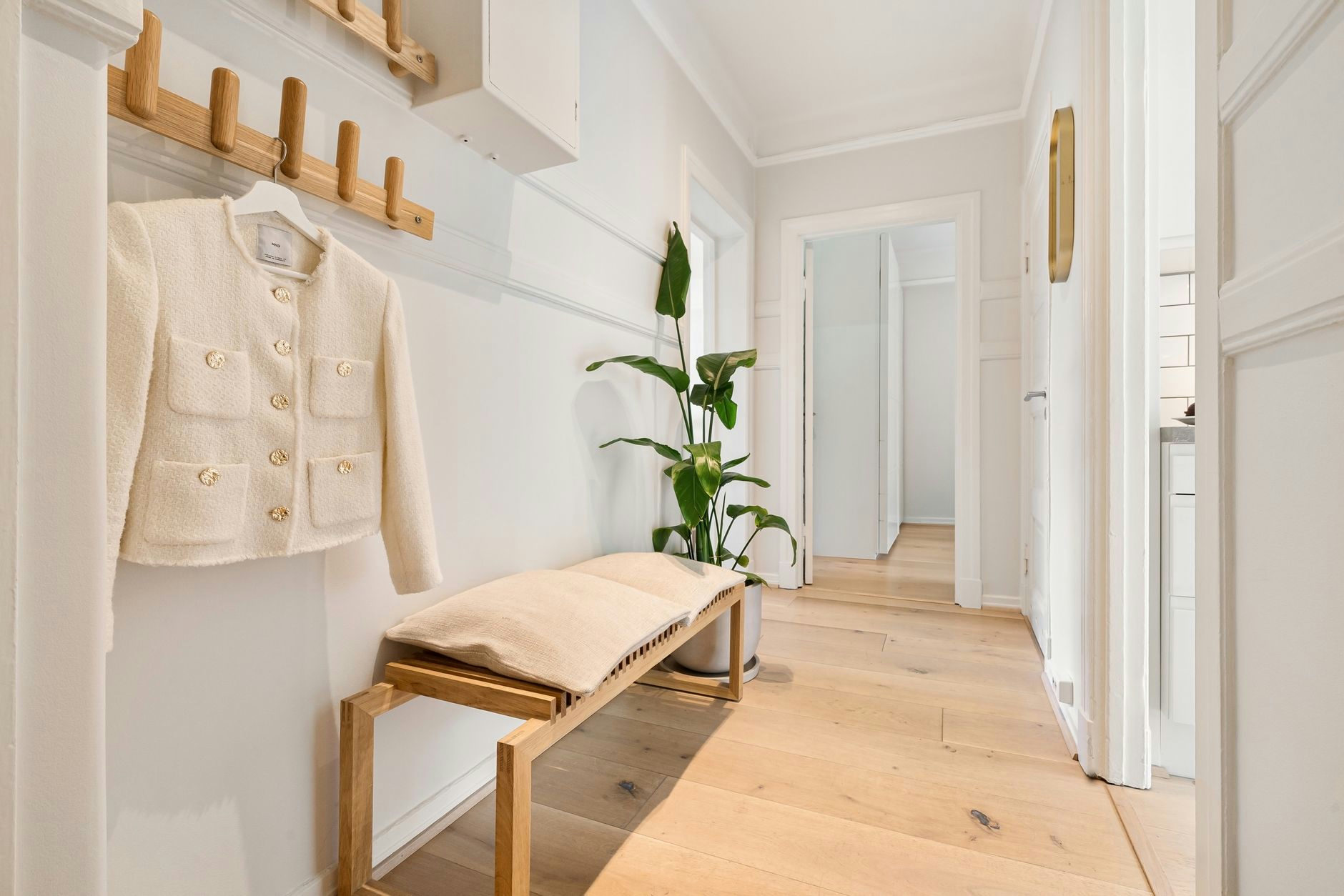
Terrace hallways are narrow and full of doors. Choose storage that is shallower than a standard shoe box so you do not clip it as you pass. A wall‑hung shoe cabinet keeps the floor clear and gives you a ledge for post and keys. Pair it with a peg rail and a mirror with a small shelf so the entrance works hard without feeling cramped.
Measure door swings and keep the cabinet clear of architraves. If you cannot drill, a freestanding, footed console with a 25–30 cm depth and a raised back lip will sit snugly without scuffing the wall.
ClutterCraft Recommended
Narrow Shoe Cabinet
Turn the Bay Window Into a Seat With Storage
A bay is the perfect spot for a lift‑lid bench that hides blankets and board games. Match the fascia to the skirting so it reads built‑in, add soft‑close lid stays, and finish with a firm cushion and a couple of lumbar pillows. If a radiator sits in the bay, use a ventilated front and keep a gap for airflow.
Renting? A freestanding storage bench works well. Add felt pads so it does not mark the floor and keep fabric in your room’s palette so the bay blends.
Use Shelf Space Above Doors
The dead zone above internal doors is perfect for a single board on brackets. Fix into the wall on either side of the frame, not the lintel. Store rarely needed but light items like spare towels.
Keep a small step stool nearby if you will access it often. It can live behind the door on a hook.
Build Storage Into Living‑Room Alcoves
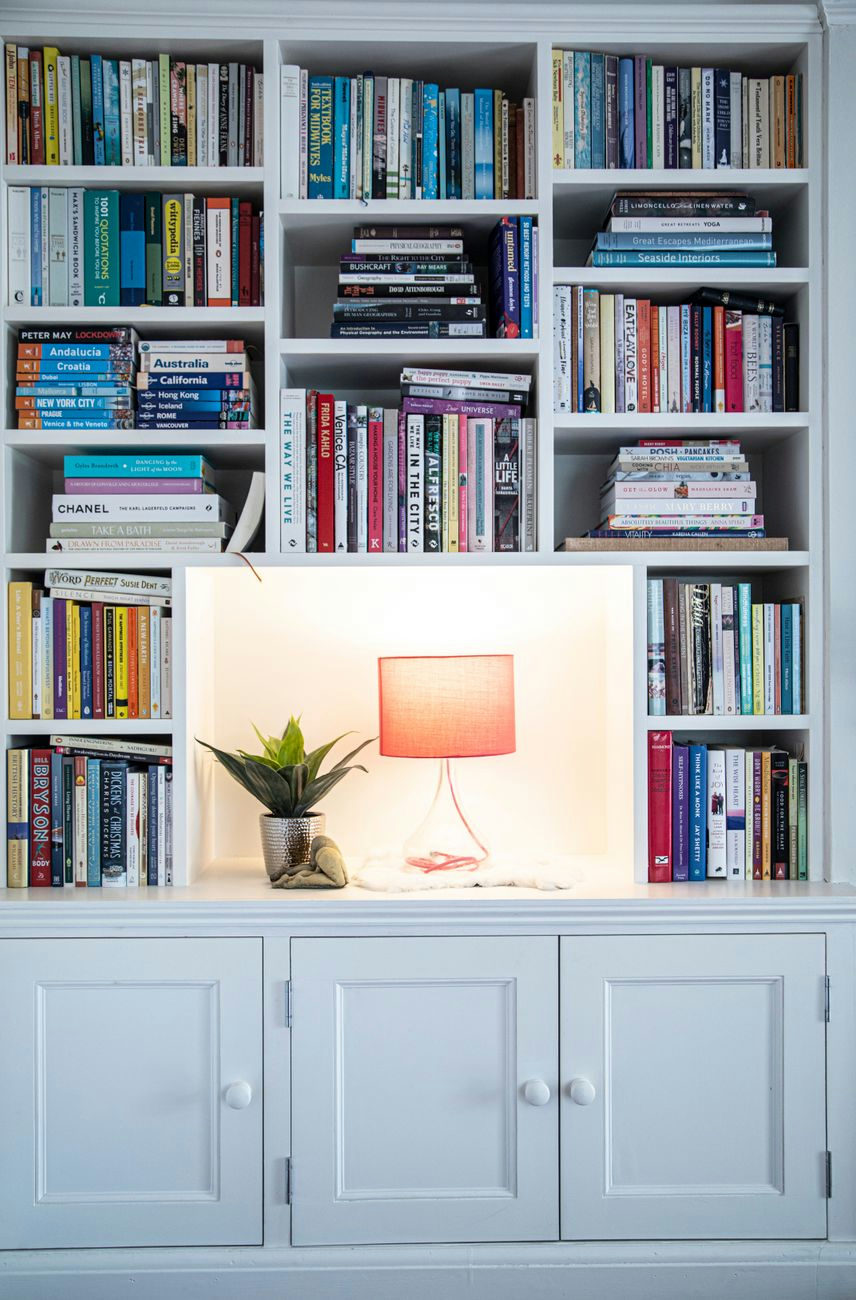
Alcoves either side of a chimney breast are storage gold. Put closed cupboards in the lower third for games, cables and paperwork, and float shelves above for books and a tight display. Keep shelf depths between roughly one paperbacks’ depth and a small box so the wall still reads light.
Paint cupboards and shelves to match the wall so the unit recedes. In rentals, use a cube unit sized to the recess and add anti‑tip straps for safety and a built‑in feel.
ClutterCraft Recommended
Floating Shelf Set
Add Over‑Radiator Ledges and Slim Shelves
Radiators often sit under windows or on short walls where you want a surface. A ready‑made radiator shelf clips on and gives you a narrow ledge for a plant, books or the router. In tight walkways, keep any floating shelf at shoulder height so you do not knock it with a bag.
Avoid boxing radiators in completely. Leave clear space above and in front so heat can circulate.
ClutterCraft Recommended
Radiator Shelf
Board the Loft and Use Airtight Boxes
Many terraces have a small loft. If you own, add raised boards above the insulation and a simple drop‑down ladder so off‑season kit lives up there in airtight containers. Label on the short side so you can read at a glance from the hatch.
Renting or cannot board? Use a few rugged boxes and place a wide sheet of ply across joists temporarily when you need to access them, then lift it out again. Keep only light, clean items aloft to protect ceilings and insulation.
Make Every Door Back Earn Its Keep
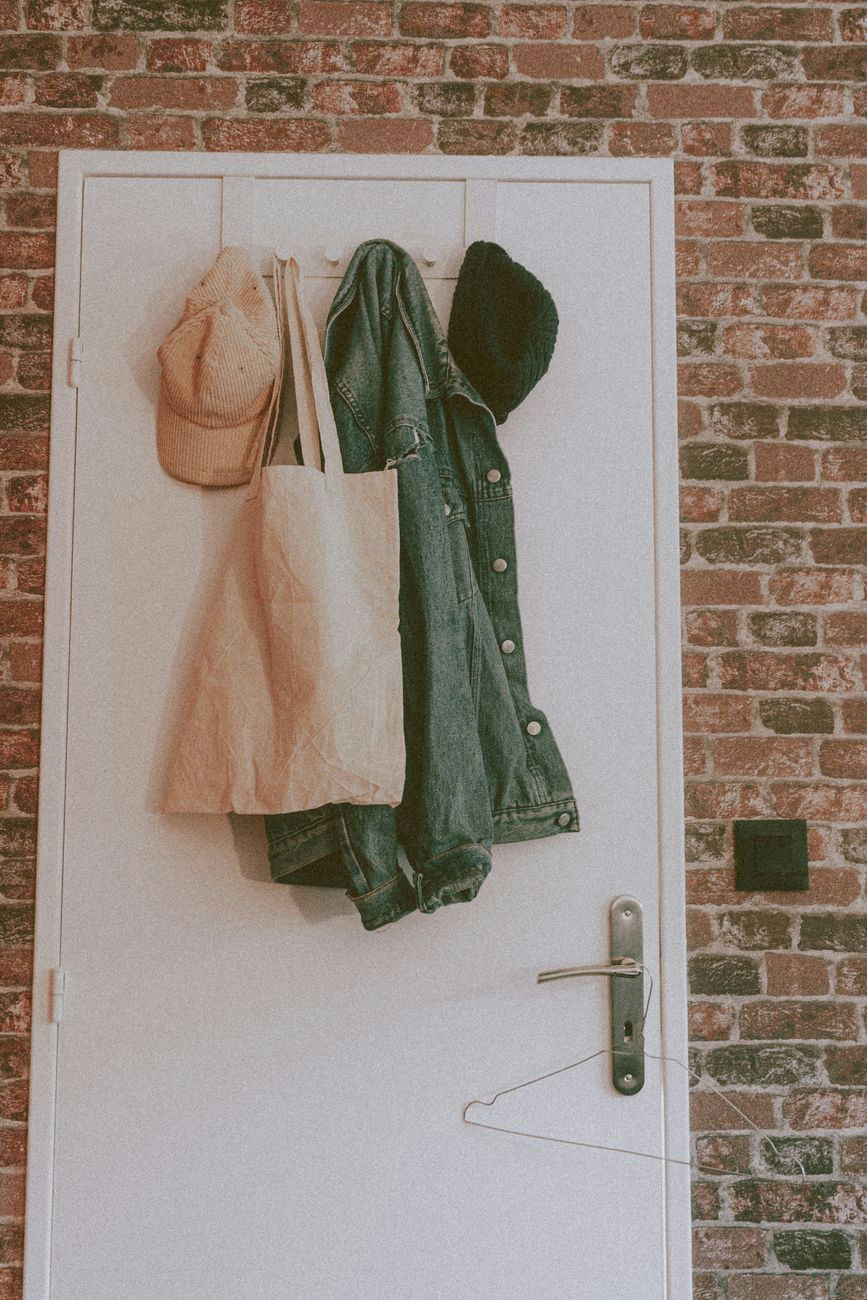
Fit over‑door hooks for robes and bags, a pocket organiser for scarves and gloves, and a shallow rack for toiletries or cleaning supplies. Keep depths slim so doors still open fully without hitting frames or radiators.
For heavier loads, screw racks into the door rather than relying on hook‑over brackets. Check screw length so it does not poke through the show face.
ClutterCraft Recommended
Over-the-Door Organiser
Dry Laundry Up High With a Pulley Maid
A ceiling‑mounted drying rack makes sense in a terrace kitchen or bathroom. Warm air rises, so clothes dry faster and floors stay clear. Mount into joists, not just plasterboard, and route the rope cleat to a convenient wall at shoulder height.
In rentals, a folding wall‑mounted airer above the bath or a retractable line gives most of the benefit without new holes in the ceiling.
Use Under‑Bed Space Properly
The bed can swallow a cupboard’s worth. An ottoman base lifts everything out of sight under one dust‑proof lid. If your frame sits low, use zip‑top storage bags with a rigid base so they slide easily and keep bedding clean.
Keep rarely used items at the centre and daily ones at the edges for quick grabs. Avoid risers for heavy loads unless the frame is designed for them; stability and quiet matter more than another centimetre of clearance.
ClutterCraft Recommended
Under-bed storage containers
Upgrade Wardrobe Internals

A single rail wastes space. Add a clip‑on second rail for shirts and skirts, swap bulky hangers for slim velvet ones, and use shelf dividers so knitwear stacks do not collapse by midweek. File‑fold t‑shirts in shallow drawers so you can see every piece at a glance.
Bag out‑of‑season clothes in vacuum bags and park them on the wardrobe top or under the bed so the daily rail stays clear.
ClutterCraft Recommended
Clip‑On Second Hanging Rail
Add Plinth Drawers Under Kitchen Units
The toe‑kick beneath cabinets is wasted depth in many terraces. Retrofit plinth drawers for baking trays, tea towels or pet supplies without changing the look of the run. In a bathroom vanity, a similar drawer hides spare loo rolls and toiletries.
If you rent, slide low trays under freestanding units and label the leading edge so you know which one to pull.
Work the Inside of Cupboard Doors
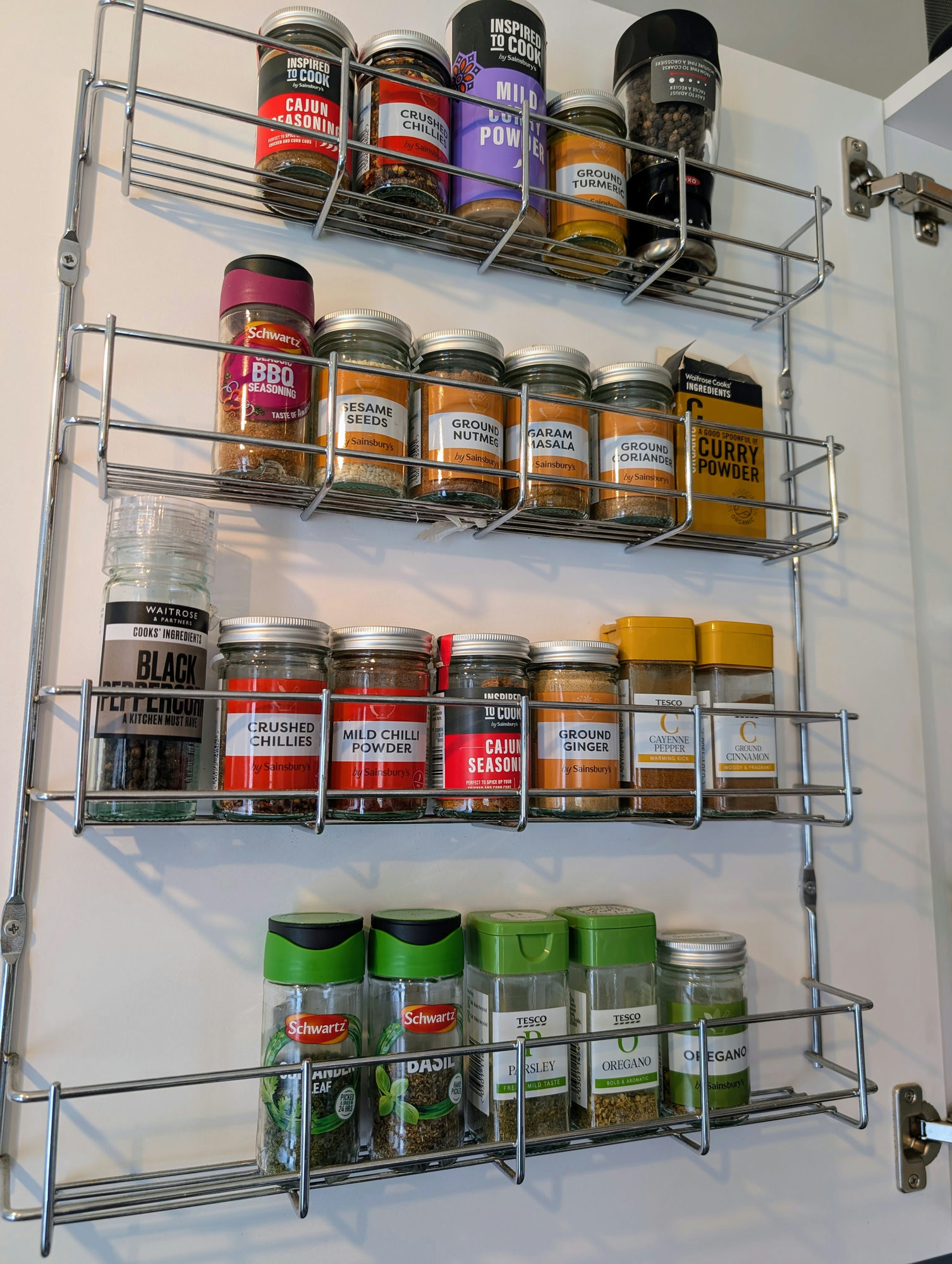
Behind kitchen and utility doors, mount a spice rack, pan‑lid rail and a slim basket for foil and wraps. In bathrooms, a shallow rack inside the cupboard keeps bottles upright and out of sight. Keep depths modest so doors still close cleanly and nothing hits shelves inside.
Stick a magnetic sheet inside a cupboard to hold spice tins and small scoops without drilling.
ClutterCraft Recommended
Door-Mounted Spice Rack
Use the Landing as a Linen Nook
A shallow cupboard or wall cabinet on the landing can hold bedding or towels and frees the bedroom wardrobe. Keep the unit no deeper than necessary so the stair edge is safe, and fit soft‑close hinges so doors do not swing into the stairwell.
No cupboard? A tall, lidded basket and a small shelf for spare sheets gives you a neat open solution.
Keep Your Garden Tidy
Even a small terrace garden can hide the practical stuff. A vertical shed swallows tools and paint tins with a tiny footprint. A wheelie‑bin store keeps lids level for planters on top and calms the view from the kitchen.
Choose closed fronts and match the finish to your fence so the units blend. Add a hook rail inside for hand tools and a crate for compost bags.
Store Bikes Vertically Without Blocking the Hall
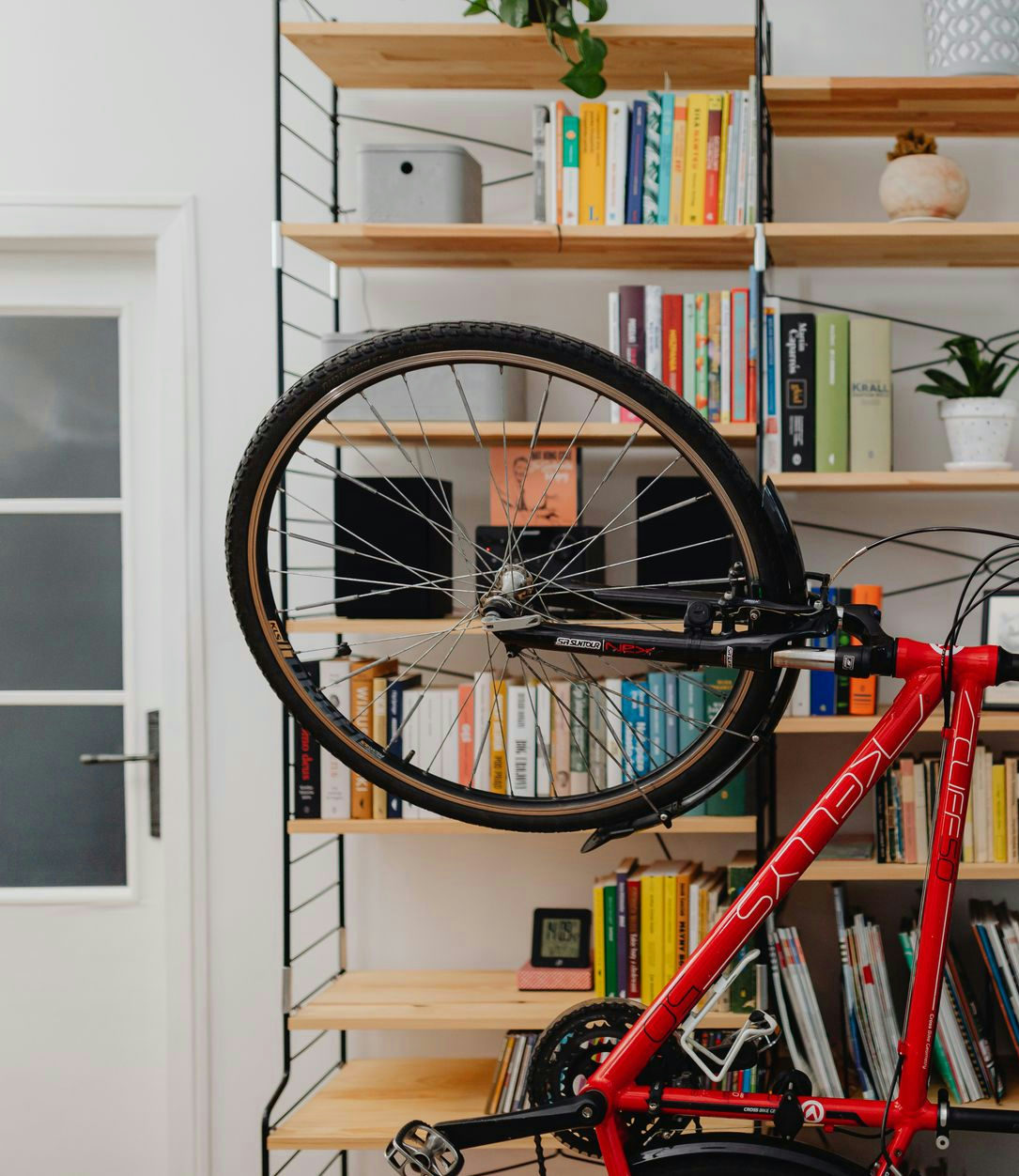
In a terrace with no side access, bikes often live inside. A vertical hook parks a bike front‑wheel up so the handlebars sit higher than knee height and do not snag passers‑by. Fit a skid plate or timber strip low on the wall to protect paint from tyre marks.
Two bikes? Stagger hook heights. If ceiling height allows, a simple hoist lifts a bike above door level. Always fix into solid masonry or studs.
ClutterCraft Recommended
Vertical Bike Mount With Wall Tray
Hide Tech With a False Back and Cable Management
Routers, hubs and multi‑gangs make a living room look messy. A simple false panel at the back of a cupboard or media unit creates a pocket for cables. Fit a grommet and route leads through paintable trunking so one neat line drops to the socket. Label each plug before it disappears behind the panel.
Ventilation matters. Drill discreet vents or leave a gap at the top so warm air can escape.
Check Walls Before You Drill
Frequently Asked Questions
Can I Add Under‑Stairs Storage in a Rental?
Yes, if you keep it reversible. Use freestanding racks, tension rails and stackable boxes with front labels. Avoid fixing runners to the floor or side walls unless your landlord agrees. If you do add hooks, use existing timber where possible and keep screw holes small and neat so you can fill them easily before you move out.
Is Loft Boarding Allowed in a Terraced House?
Homeowners can usually board for light storage if ventilation and insulation are protected. Use raised platforms so you do not squash insulation and allow some ventilation over the top of it, and avoid loading heavy items that could stress joists or ceilings. In a leasehold or conservation area, check the lease and any local rules first. Renters should avoid permanent boarding and instead use temporary boards for short stints.
How Do I Stop Damp Smells in Cupboards and the Under‑Stairs Area?
Improve airflow first. Do not pack items tight to cold external walls, and lift boxes off the floor on a small rack. If smells persist, check for leaks and consider a discreet vent.
Will a Radiator Shelf Reduce Heating Efficiency?
A short shelf just above a radiator can help throw heat forwards and is fine if it does not trap heat. Leave space above and in front of the radiator, and avoid deep cabinets or heavy covers that block convection.
How Can I Store Bikes Without Wrecking the Hallway Walls?
Fix vertical hooks into studs or solid masonry, then add a tyre plate or a timber strip to take scuffs. Use frame protectors where the hook touches the rim, and stagger heights for two bikes so bars do not clash.
Small Moves, Big Wins in a Terrace
Terraced houses demand storage that respects narrow routes and awkward corners. Focus on zones that are already there: the void under the stairs, alcoves, door backs and dead space above doors. Pick shallow, closed pieces where you move past them and save open display for higher up. A few consistent containers and clean cable lines will make the whole house read calmer overnight.
Choose two or three ideas that solve your biggest messes first, then layer more only if you need them. The right fix in the right spot beats a dozen baskets you have to step around.