In a small home, open shelves fill up fast and storage baskets competes for floor space. The improvements worth chasing tuck storage into places that are dead space, e.g. plinths, headboards, door frames and panels that lift or slide. Close the door, pull a curtain, or drop a lid and the room reads calm again.
Below is a set of proven, practical moves. Some are simple add‑ons you can do in an afternoon; others are projects to plan for a weekend. Where drilling isn’t an option, there’s a renter‑friendly tweak that lands most of the benefit without risking your deposit.
Choose a Storage‑First Bed
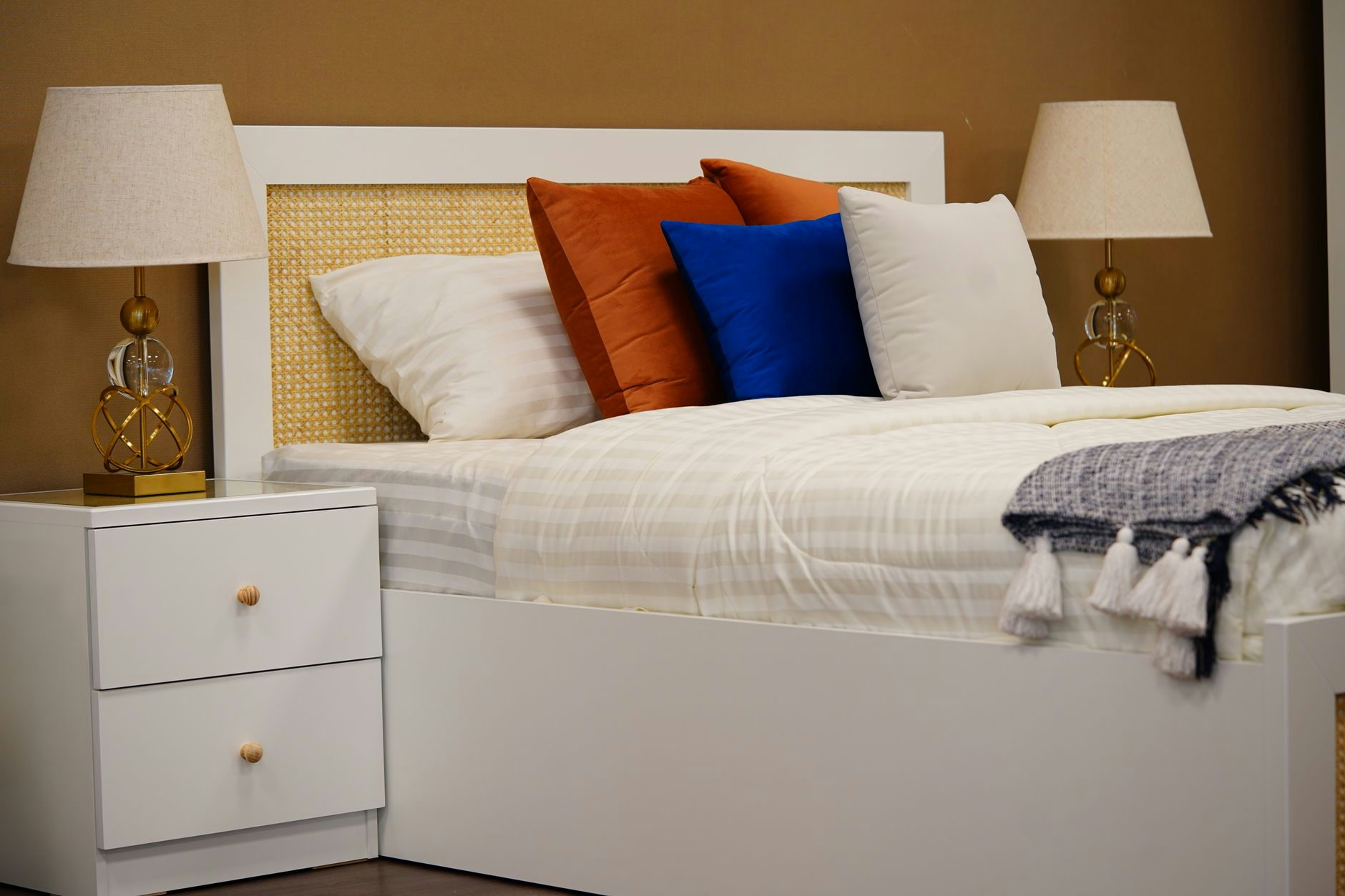
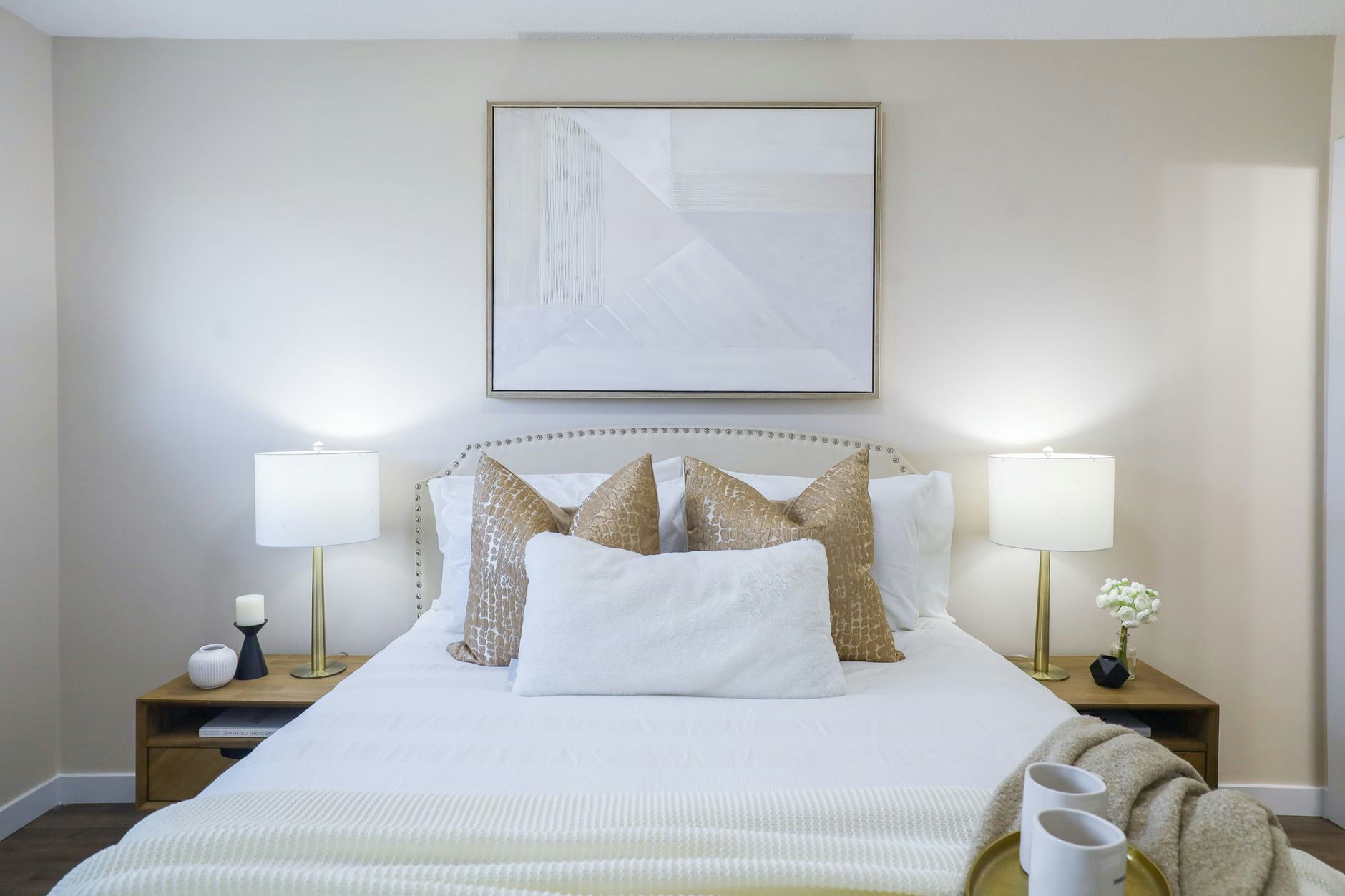
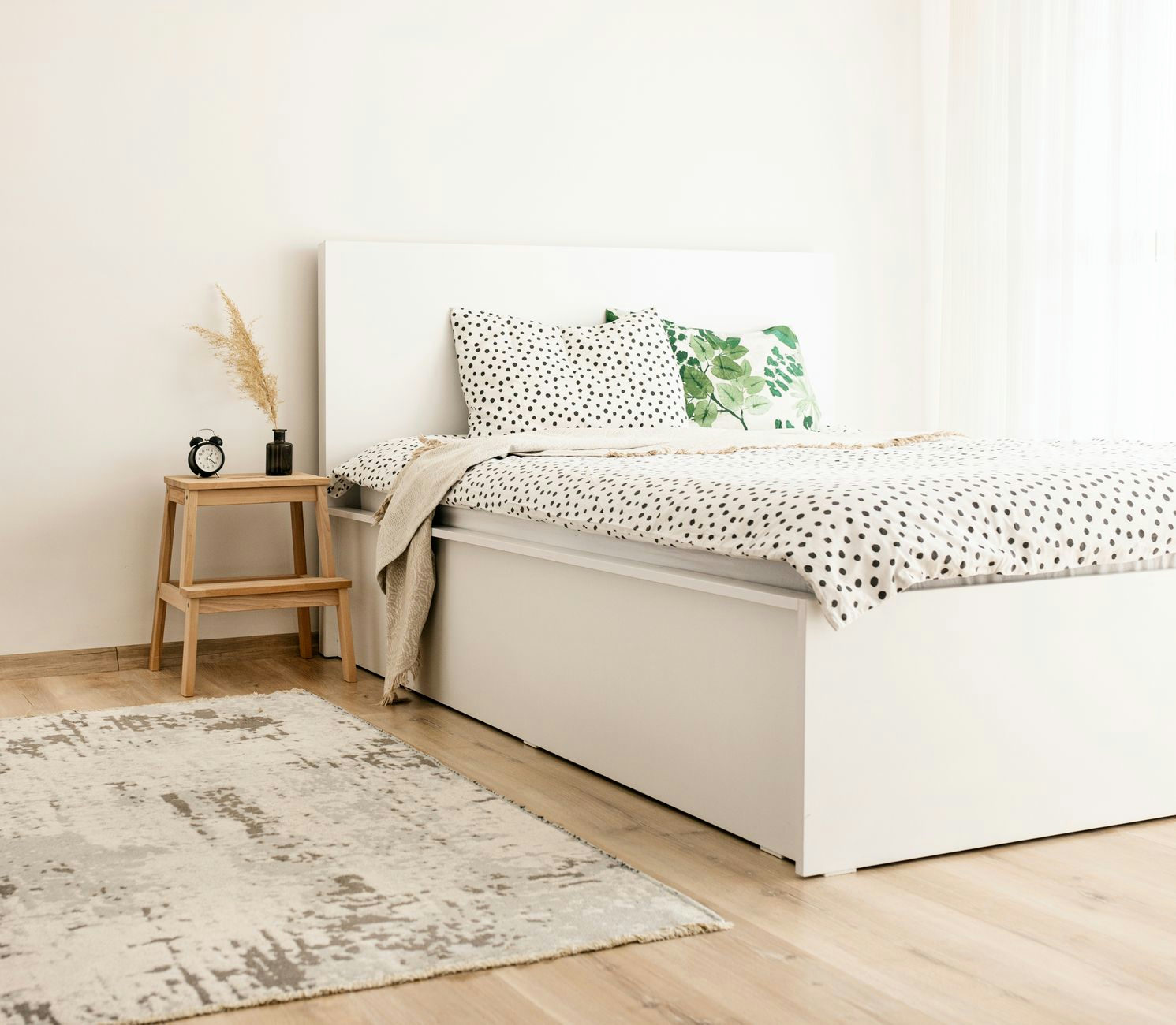
A bed can swallow an entire cupboard’s worth when it lifts or opens. An ottoman base hides duvets, spare pillows and off‑season clothes under a single, dust‑free lid. If you prefer drawers, go for full‑depth boxes on runners so you can load them properly. Headboards with sliding panels or hinged doors are perfect for bedtime books and chargers, all hidden and within reach.
Measure the clearance around the bed so drawers can open fully. On carpet, pick under‑bed bins with proper rollers to keep them neat and easy to access.
ClutterCraft Recommended
Ottoman Bed Frame
Turn Plinth Space Into Drawers
The strip beneath kitchen and built‑in units, the plinth or toe‑kick, is prime hidden storage. Retrofit plinth drawers to hold baking trays, cleaning cloths or pet supplies without changing the look of the cabinets. In bathrooms, a similar drawer under a vanity keeps spare loo rolls and toiletries out of sight.
In rentals where you can’t alter things like this too much, use low, open‑ended trays that slide under freestanding units. Label the leading edge so you know which one to pull.
Build Storage Into Benches and Seats
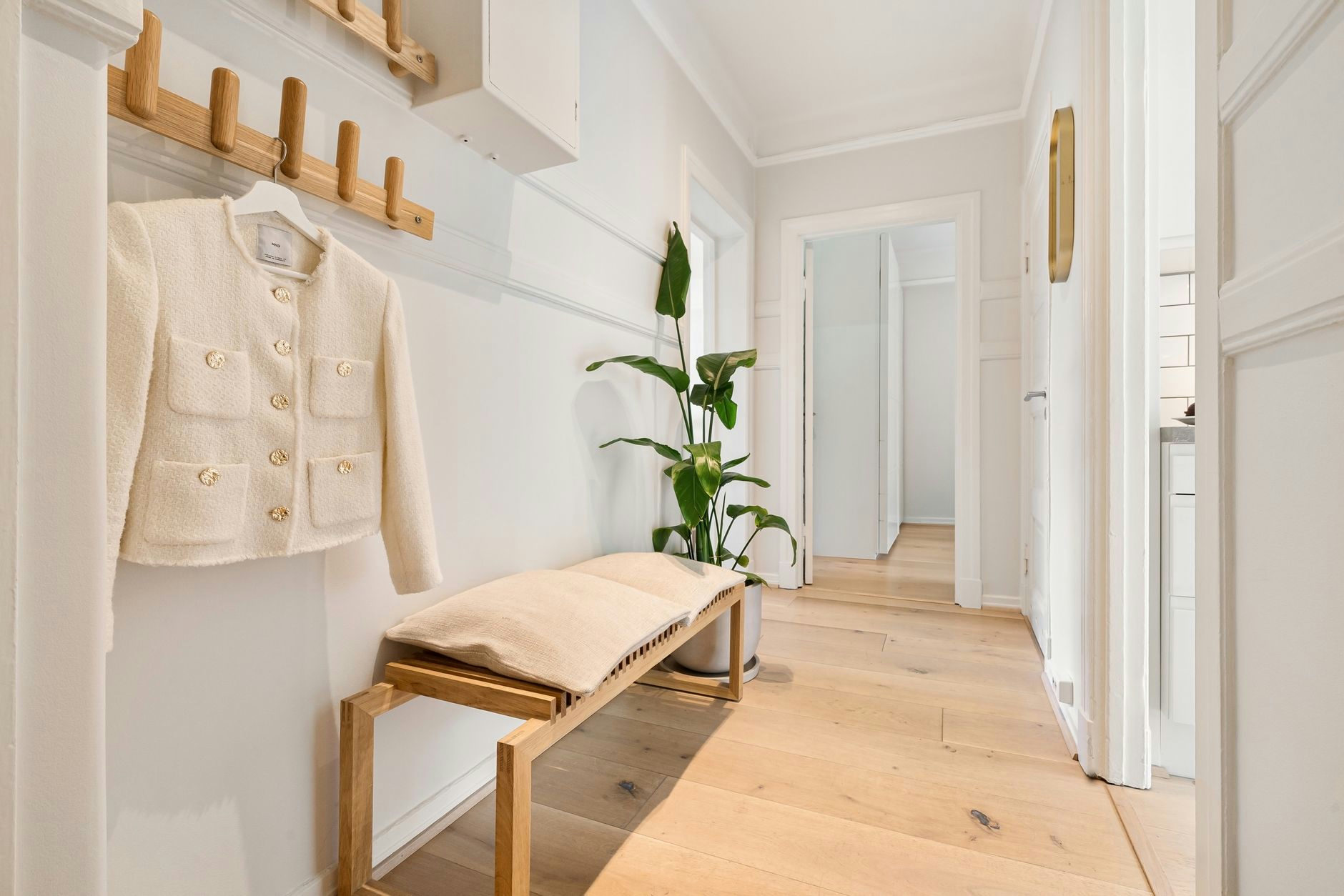
A dining bench, hallway perch or window seat with a hinged lid hides bulky items where you already sit. Use soft‑close lid stays so the top holds itself open whilst you rummage. In a bay window, match the bench finish to the skirting so it reads built‑in. Add a firm cushion and a couple of lumbar pillows; keep fabrics in your room’s palette so the whole run blends.
For loose items like tools or craft kit, drop in a row of stackable boxes so the interior doesn’t turn into a jumble.
ClutterCraft Recommended
Storage Bench Seat
Hide Tech With a False Back
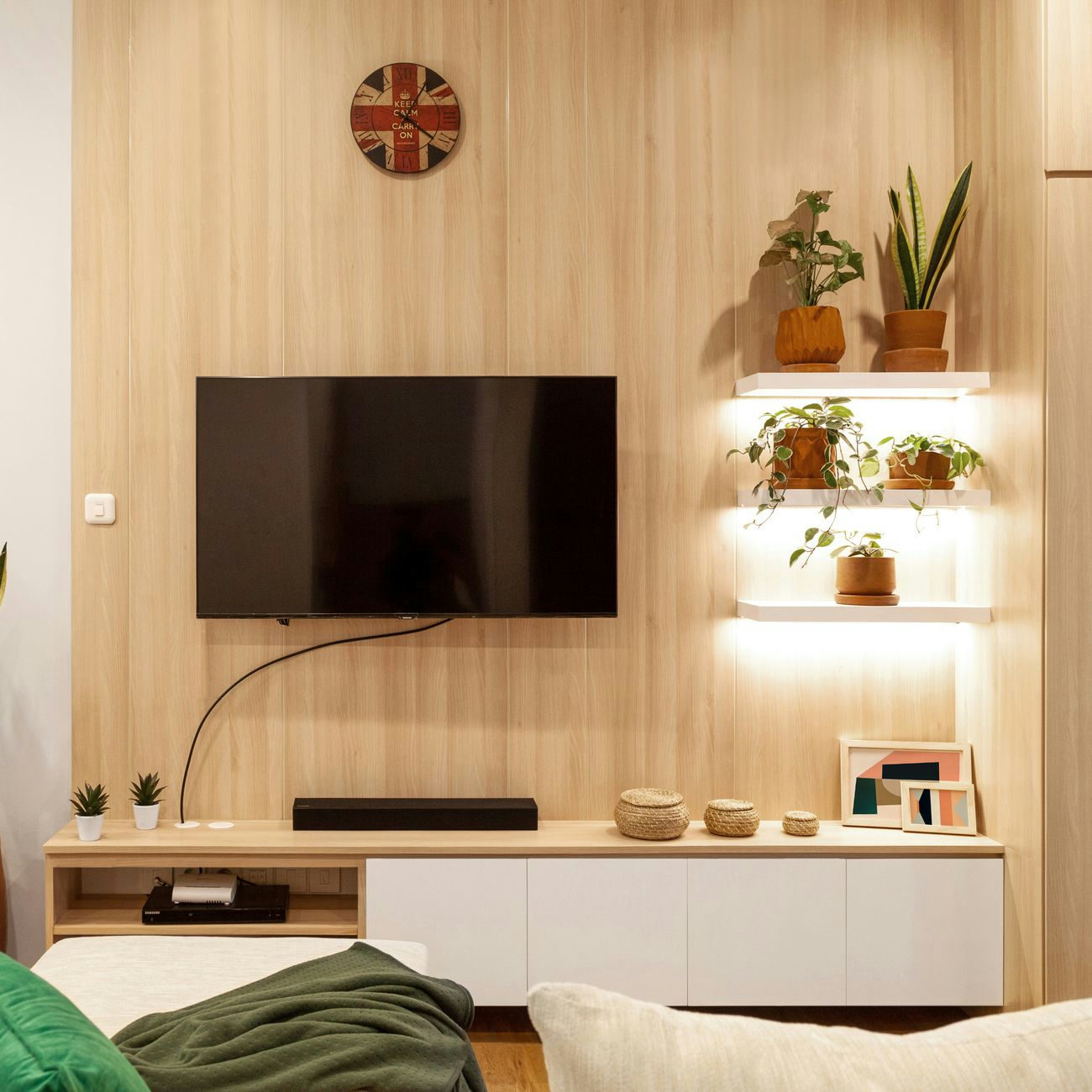
A shallow false panel inside a media unit or cupboard creates a pocket for routers, multi‑gangs and the bird’s nest of spare cables. Fit a cable grommet and route leads through stick‑on trunking so one clean line drops to the socket. A great tip is to add labels to each plug before it disappears behind the panel, it'll save you time later when you need to quickly unplug something for a spare socket.
For renters, a lidded cable box at the back of a cabinet achieves a similar, removable result.
Use the Space Above Doors
The dead zone above an internal door is perfect for a concealed shelf. Fix brackets into the wall on either side of the frame (not the lintel) and span a board for books, spare towels or board games. If you prefer it invisible, hang a simple fabric front on a slim rod to hide the contents without stealing depth.
Keep a small step stool nearby if you’ll access it often; it can tuck behind the door when not in use.
Pick Lift‑Top Tables and Storage Ottomans
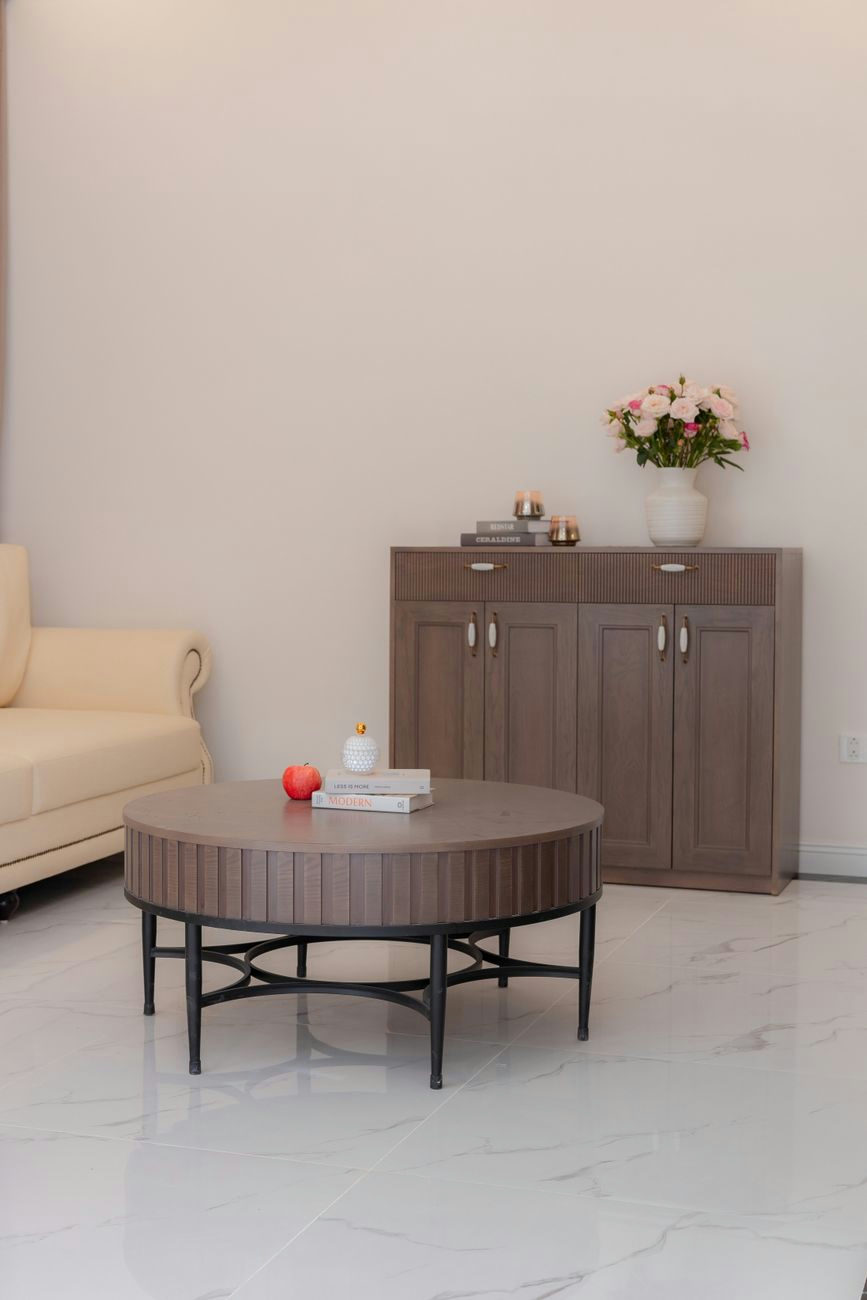
In a living area, a lift‑top coffee table hides remotes, chargers and notebooks and doubles as a laptop perch. A storage ottoman swallows blankets and guests’ bedding, then acts as a footrest or extra seat. Choose closed fronts and simple lines so the room looks tidy even when the compartments are full.
If you prefer a soft pouffe, add a rigid tray when you need a flat surface for mugs.
ClutterCraft Recommended
Round Storage Ottoman Footstool
Hide Storage Behind Mirrors and Art
A mirrored cabinet isn’t just for bathrooms. In a hallway, a slim mirror with shelves behind it holds keys, sunglasses and post out of sight. In living spaces, a picture frame door on a shallow cupboard keeps craft gear or stationery close by without advertising it. Mount so the handle is discreet and the door swings clear of nearby switches.
Curtain Off Open Shelves
When drilling for doors isn’t possible, a ceiling track and an opaque curtain hide an entire wall of open shelving. It’s forgiving - you can mix crates, boxes and odd‑sized items behind it - and you still get easy access. Keep the fabric plain and the track close to the ceiling so the room reads clean and tall.
Put the Back of Doors to Work, Invisibly
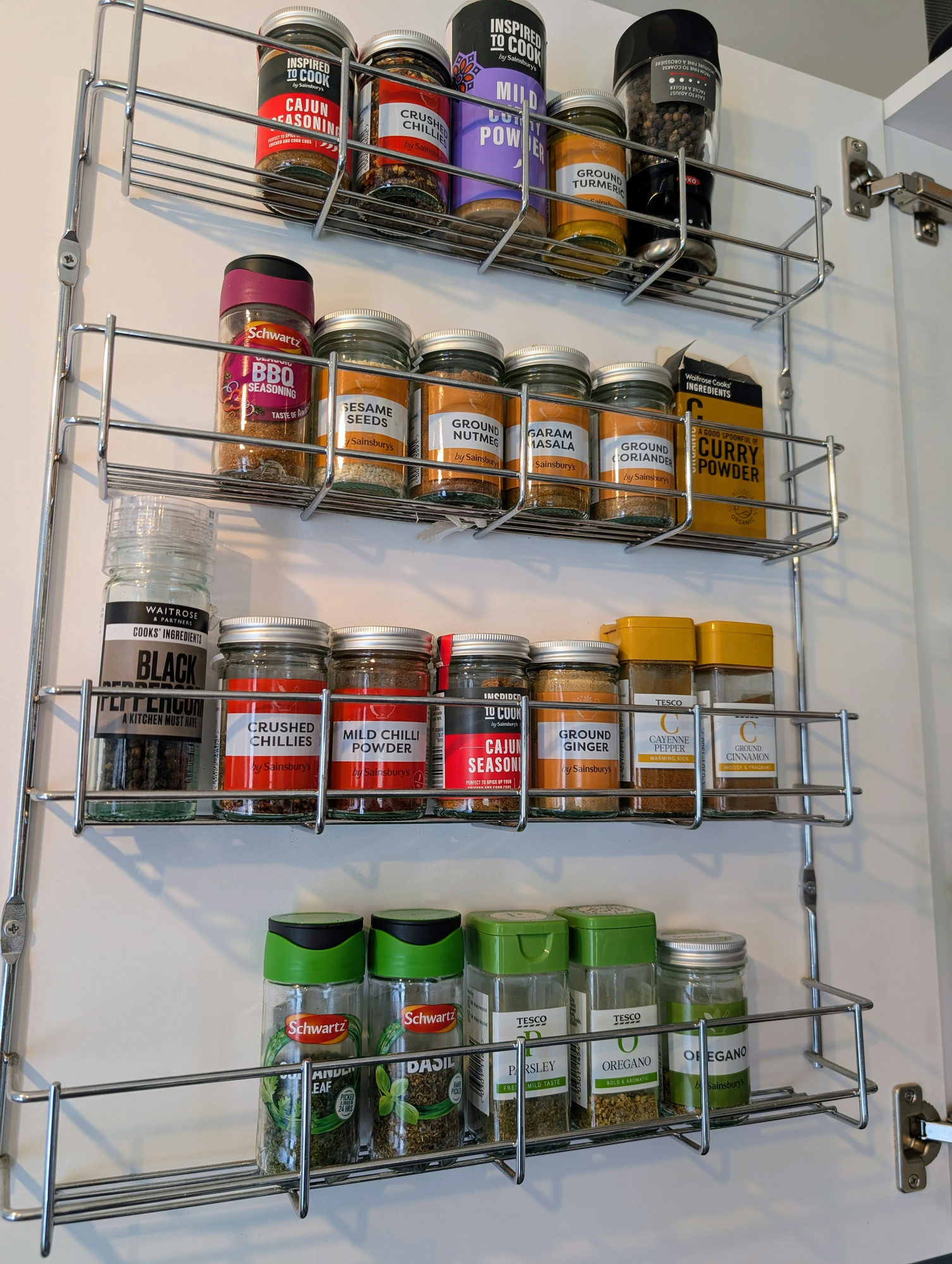
Behind cupboard and wardrobe doors, mount shallow racks, hooks and magnetic panels for light items. Keep depths slim so doors still close cleanly. In kitchens, stick a magnetic sheet inside a cupboard to hold spice tins and metal scoops; in wardrobes, a narrow rack holds scarves and belts without spilling into the hanging space.
ClutterCraft Recommended
Inside Cupboard Spice Rack
Use Under‑Sofa and Appliance Gaps Wisely
If your sofa has clearance, slide in low bins on felt pads for board games or kids’ toys. Keep one labelled handle facing out so you can snag the right box with a single pull. For laundry machines on stands, a slim drawer beneath takes detergents, just avoid blocking vents or inspection panels.
Frequently Asked Questions
What Fixings Should I Use If I’m Renting?
Stick to no‑drill options for light loads: adhesive hooks and strips, damage‑free rails, and over‑door organisers. For slim cabinets on plasterboard, use hollow‑wall anchors and keep to light contents. Always read the removal guidance and test on a hidden patch first.
Are Toe‑Kick Drawers Strong Enough for Heavy Items?
They’re designed for light to medium loads. Store trays, cloths, wraps and spare toiletries there; keep cast‑iron pans or liquids in standard base units on proper shelves or pull‑outs.
How Do I Keep Hidden Storage from Becoming a Black Hole?
Containerise by category inside each hidden zone and label edges you can see when the door opens. Use clear lidded boxes for deep compartments and keep the most‑used items nearest the opening.
Start With a Few Invisible Wins
You don’t need secret cupboards everywhere, start with two or three well‑chosen moves that swallow the mess you actually make. Start with one big zone (bed or bench), add a cable hideaway so screens look tidy, then choose a high shelf you can conceal above a door or with a curtain. The room will read calmer immediately and allow you to organise other areas a lot more efficiently making day to day storage much easier.