Small UK bedrooms have quirks: chimney breasts, tight alcoves, low windows, a radiator exactly where you want drawers. The fix is not more baskets on the floor. It is a handful of deliberate moves that harness under-bed space, make the wardrobe pull its weight, and put walls and doors to work so the room reads calm again.
Below are practical, landlord-friendly ideas that you can install in an afternoon, plus a few bigger wins worth planning.
Map the Room and Declutter by Category
Start with a quick plan. Measure wall lengths skirting to skirting, ceiling height, the door swing, radiator positions and clearances around the bed. Mark where sockets and switches sit so storage does not block them. This tells you which pieces can actually fit and what depth of shelves you can run.
Edit in categories, not by location. Pull out clothing, shoes, bedding, paperwork and tech separately. Keep only what fits your current life and the season. Decide what must live in the bedroom and what can move to the hall or living area. This cut makes everything else easier.
Design storage to fit the items you keep, not the other way round. Pick containers after you know the rough volume and shape of each category.
Maximise Under Bed Storage
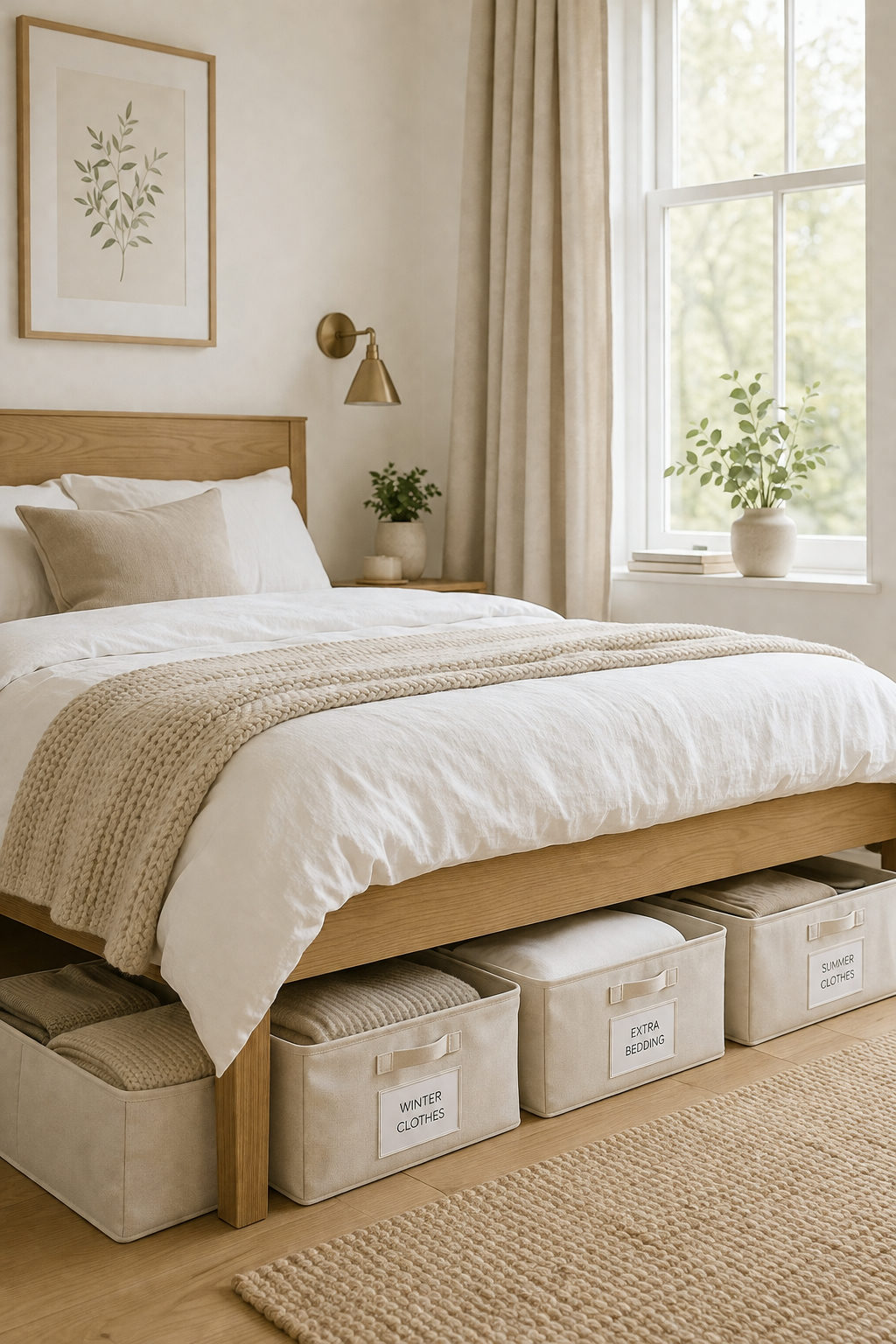
The base is prime real estate. An ottoman bed lifts to hide duvets, spare pillows and off‑season clothes under one dust‑proof lid. If you prefer drawers, choose full‑depth boxes on smooth runners and check there is room to open them beside walls or a radiator.
Measure the clear height under your existing frame. Low, lidded boxes keep things clean. If the bed sits very low, choose zip‑top storage bags with a rigid base so they slide easily. Keep rarely used items at the centre and daily items at the edges for quick grabs.
Avoid bed risers for heavy loads unless the frame is designed for them. Stability and quiet matter more than an extra centimetre of clearance.
ClutterCraft Recommended
Under-bed storage containers
Put the Back of Doors to Work
Over‑door hooks and slim racks add storage without stealing floor space. Use a rack on the bedroom door for robes and bags, and a pocket organiser inside the wardrobe door for belts, scarves and small accessories. For shoes, fabric pockets keep pairs visible and off the floor. Check the door still opens fully and that contents do not hit nearby walls or radiators.
For heavier loads, screw a rack into the door rather than relying on over‑door brackets. Keep depths slim so nothing catches on the frame.
Add Slim Shelving
Shallow shelves provide usable storage where deep furniture cannot in a tight room. Run a 12–20 cm deep floating shelf above a radiator for books or a plant. Use a picture ledge for small frames and a clock, then stop so it does not feel busy. Keep the lowest shelf at shoulder height in a narrow walkway so you do not clip it.
ClutterCraft Recommended
Slim Floating Shelf
Rethink the Wardrobe Layout
A small wardrobe can hold far more with the right internals. Add a clip‑on second rail for tops and skirts; keep coats and dresses on the original rail. Swap bulky hangers for slim velvet ones to stop slippage and reclaim width. Use shelf dividers to organise knitwear so stacks do not collapse by midweek.
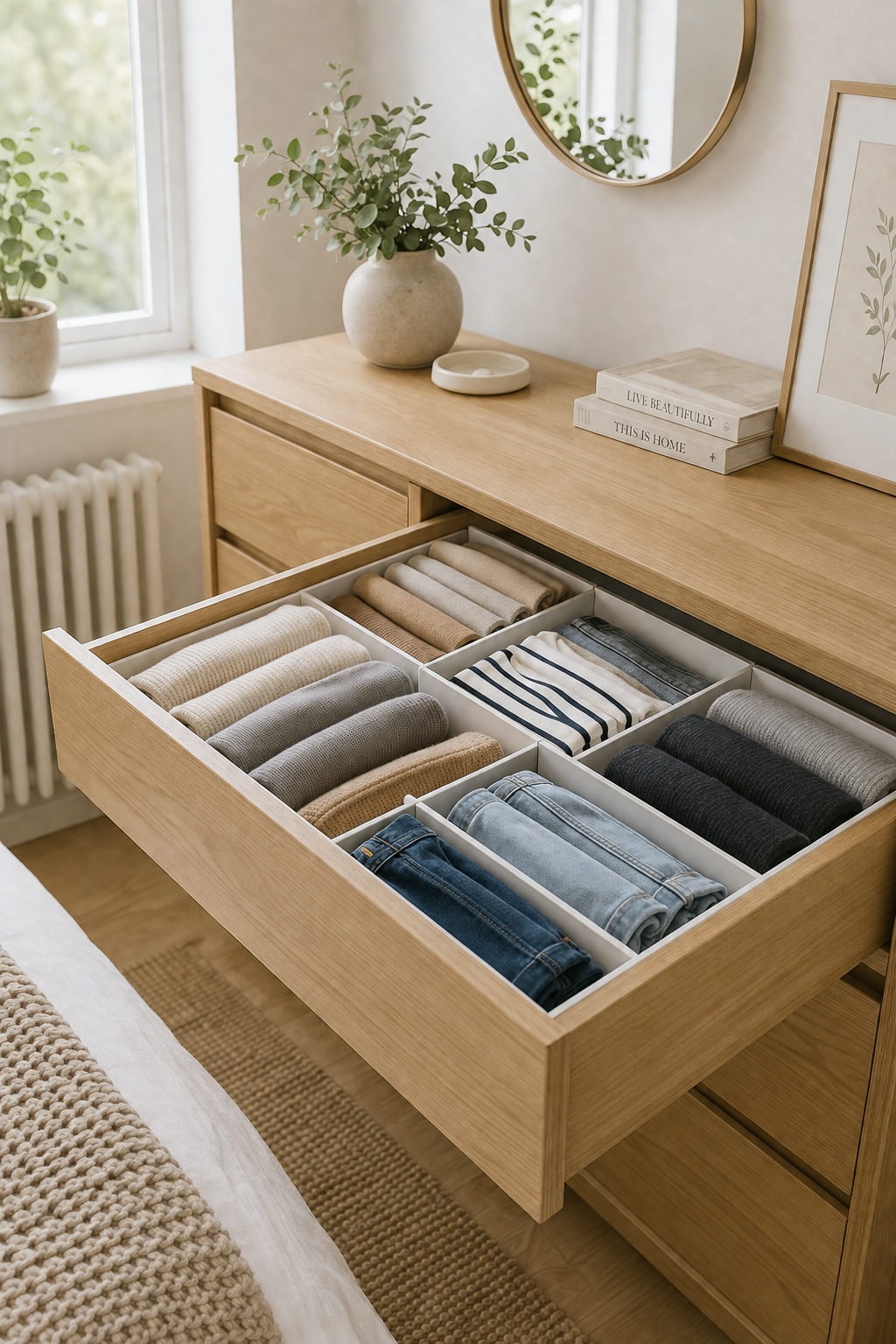
Drawer organisers make a shallow shelf or drawer behave. File fold t-shirts and gym kit so you can see every piece at a glance. Organise underwear in lidded fabric boxes and label the front. Keep heavy items between hip and shoulder height so they are easy to lift out. Drop seldom-worn formalwear into breathable garment bags.
For out‑of‑season clothes, use vacuum bags to shrink volume. Store them either under the bed or on the wardrobe top so the daily rail stays clear.
Float the Bedside
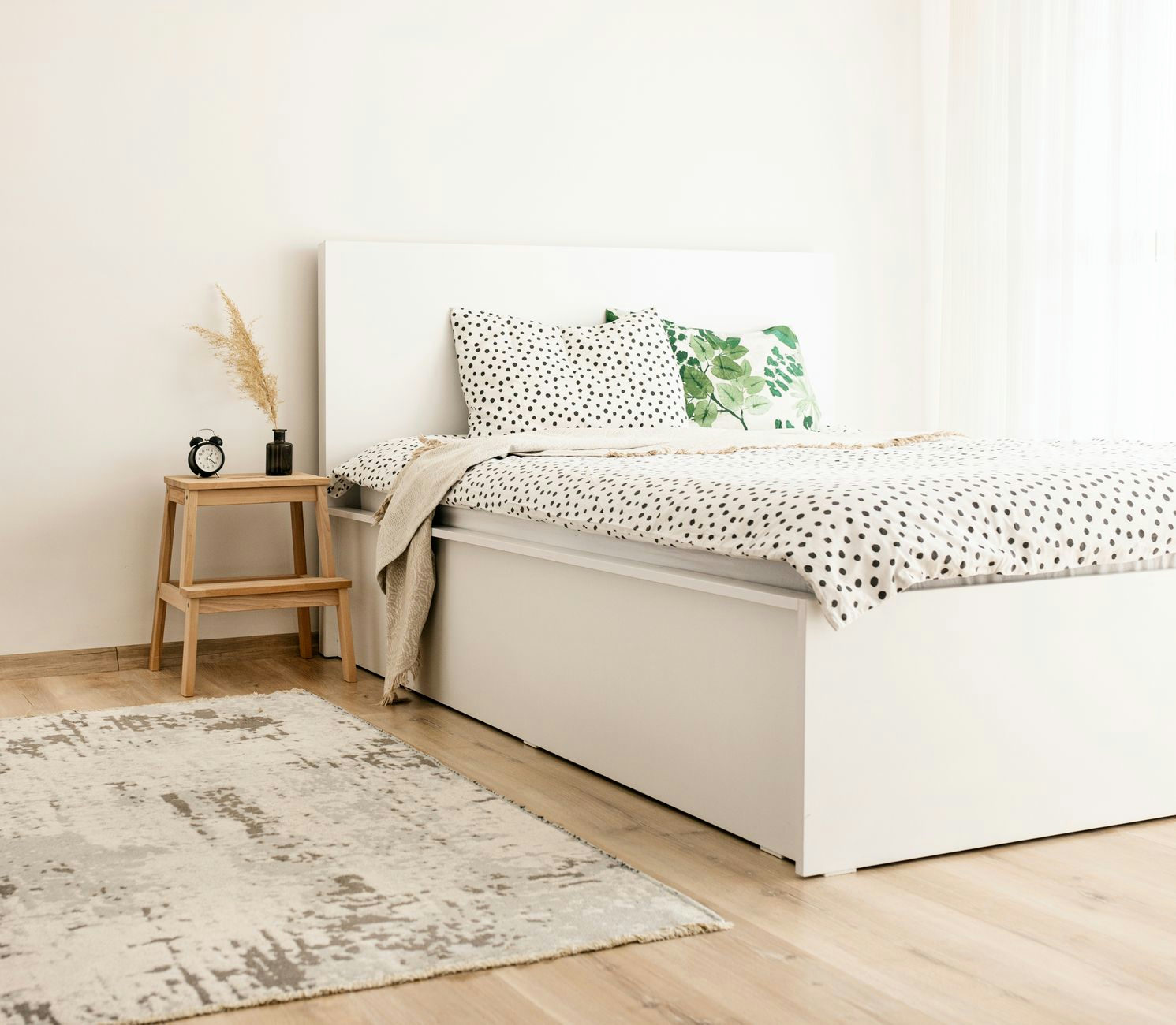
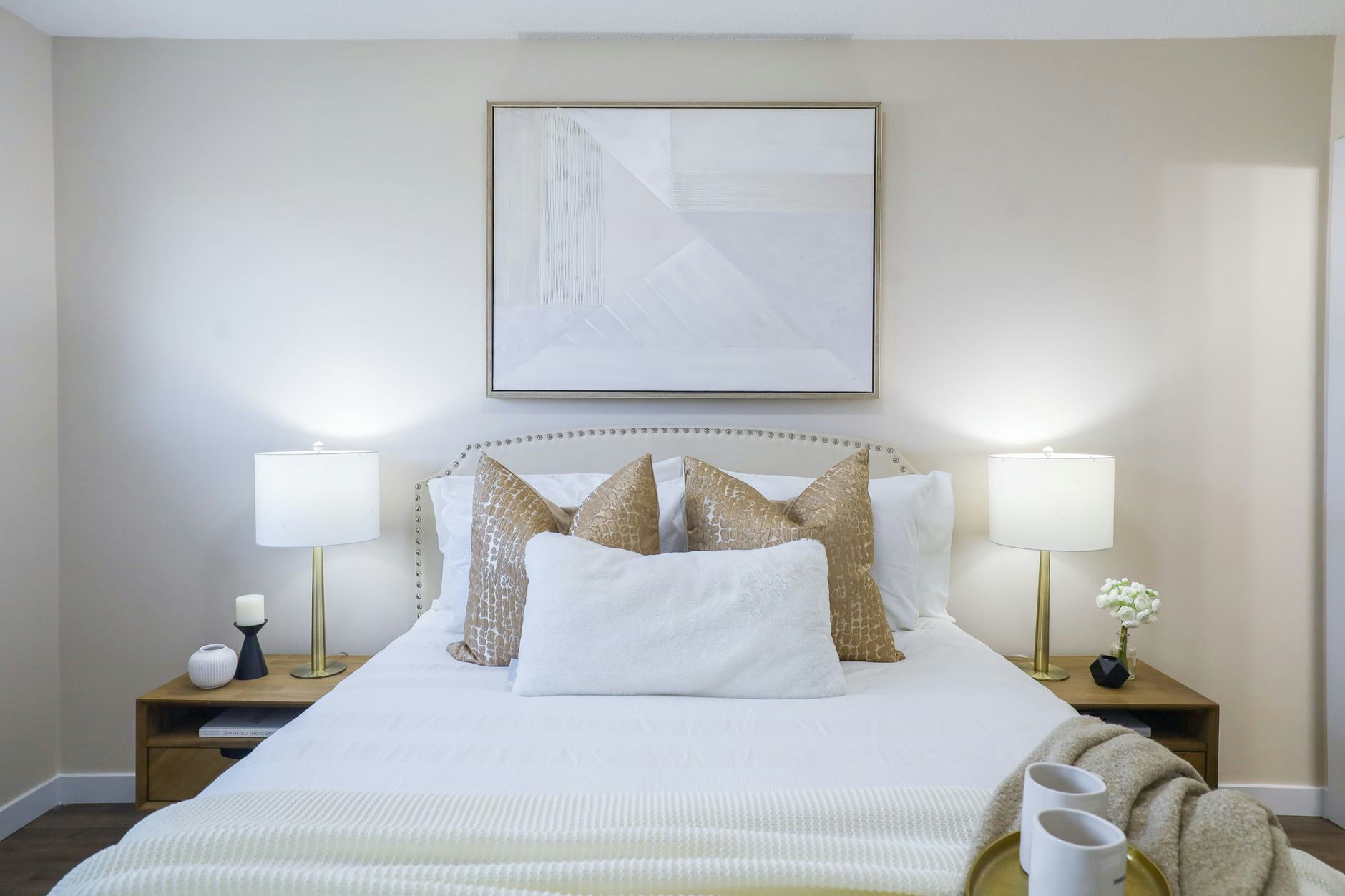
If a standard table crowds the walkway, use a wall‑mounted shelf with a small lip instead. It holds a book, specs and a glass without adding legs to the floor plan. Mount a clamp light or wall lamp so the top stays clear. Route charging leads through adhesive clips.
Make sure you fix the wall-mounted shelf into studs or masonry with the appropriate plugs or anchors. In rentals, small, damage‑free shelves are fine for light loads, but check the removal guidance and weight limits.
Use the Top Shelf of the Wardrobe
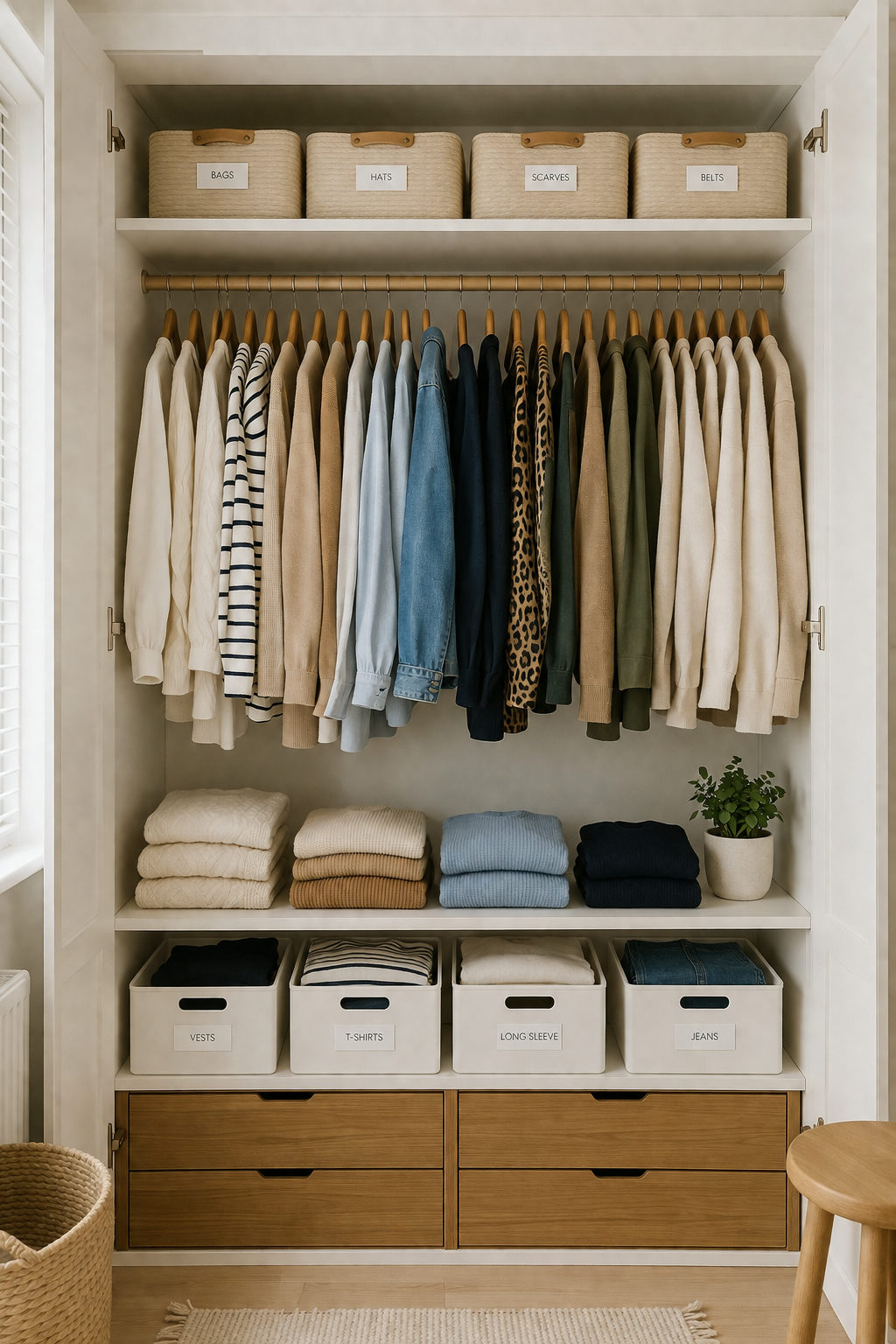
The dead zone above a wardrobe or on a high shelf is perfect for bulky but light items. Line up boxes sized to the footprint of the top board so they look intentional. Stick a simple label on the short side you face. Keep the least-used category at the back, spare bedding in the easiest-to-grab spot.
If you often reach up here, keep a folding step stool tucked beside the wardrobe. It makes the space actually usable rather than decorative.
ClutterCraft Recommended
Storage Boxes
Renting? Choose Reversible Fixes
Hide Tech and Tidy Cables
Bedrooms look calmer when wires disappear. Create a charging spot inside a drawer or bedside shelf with a cable grommet at the back. Use a cable box on the floor to swallow the multi‑gang and label each plug before it vanishes. Stick-on trunking along the skirting makes one clean line to the socket and can be painted to match.
Ventilate any box that holds a router or hub. Heat build‑up shortens the life of electronics.
Choose Multi-Use Furniture
Make big pieces earn their footprint. A storage ottoman at the foot of the bed swallows blankets and becomes a seat. A wall‑mounted fold‑down desk doubles as a vanity and tucks away after use. A narrow chest with deep drawers can replace a bulky dressing table.
Favour plain fronts and matte finishes so the room reads tidy even when full. Closed storage low down and lighter, open elements higher up is a safe balance in a small space.
ClutterCraft Recommended
Drop‑Leaf Wall Table
Sort Laundry and Bedding With a Simple Workflow
Clothes piles undo good storage. A narrow, lidded hamper stops laundry from reading as clutter. Hooks by the door catch robes and tomorrow’s outfit. Keep one spare bedding set in a labelled under‑bed box so you can strip and remake in one go. Rotate sets straight from the wash to the box so nothing lingers on a chair.
Keep the Palette Quiet and Styling Simple
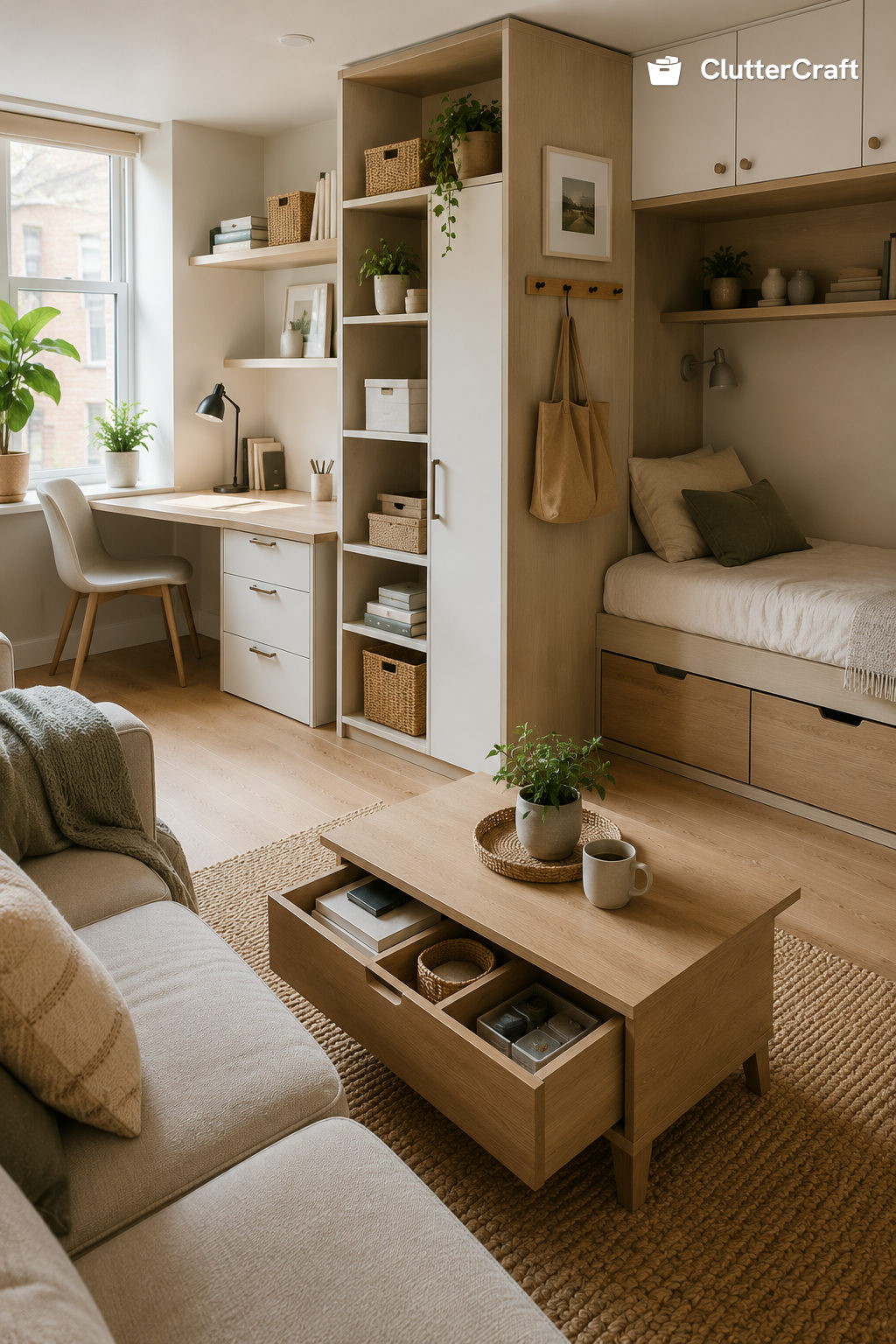
Visual calm is part of organisation. Repeat two or three materials across the room: wood, linen, matte black. Use lidded boxes in one finish so the top of the wardrobe and shelves read as one element. Mirrors opposite a window bounce light and make the room feel larger. Floor‑length curtains hung high draw the eye up and hide uneven proportions.
On open shelves, think minimalist and leave some gaps. One small plant per shelf is plenty in a small bedroom.
Mind Radiators and Airflow
Rotate Seasonally and Label Everything
Small rooms stay organised when you make space on purpose. At each season change, move off‑season clothes into vacuum bags or lidded boxes and shift them high or under the bed. Label on the short side you see first so you can find things fast. Keep a simple one‑in, one‑out rule for clothes and shoes.
Set a monthly 10‑minute reset on your phone. Tidy the bedside, fold stray items back into their home, and clear the floor. Maintenance beats a big overhaul every few months.
Frequently Asked Questions
What Is the Best Way to Store Shoes in a Small Bedroom?
Keep daily shoes near the door on a slim rack or in a fabric over‑door organiser. Store occasion pairs in labelled boxes either under the bed or on the wardrobe top. Avoid deep floor baskets; they swallow pairs and look messy fast.
How Do I Organise a Bedroom With No Built-In Wardrobe?
Choose a tall, narrow wardrobe or open rail with a covered garment rack. Add a drawer unit for folded items and run a high shelf above the rail for boxes. Use under the bed storage for bedding and off‑season clothes. Over‑door storage becomes essential for accessories.
Can Two People Share a Very Small Bedroom Without It Feeling Crowded?
Yes, if every piece works hard. Use an ottoman bed, double‑rail the wardrobe, and give each person a clearly labelled box for small items. A shared bedside shelf with a clamp light each saves space. Agree a weekly 10‑minute reset so surfaces stay clear.
What Are the Quickest Renter-Friendly Improvements?
Over‑door racks, adhesive hooks, rolling under‑bed boxes and a wall‑mounted picture ledge with damage‑free fixings. A cable box for the multi‑gang and a clamp lamp at the bedside also make a big visual difference with no drilling.
How Do I Stop Dust Under the Bed When Using Storage?
Use lidded boxes or zip‑top bags and run a soft brush attachment around the frame when you change bedding. An ottoman base is the most dust‑proof option because the storage is sealed.
Make Small Feel Considered, Not Cramped
Small bedrooms work when storage is built around how you live. Use the bed base, tune the wardrobe interior, claim door backs and slim wall space, and keep the palette quiet so the room feels restful. A couple of well‑chosen pieces beat a scatter of baskets.
Pick two or three ideas from above, measure carefully, and set them up this weekend. Then keep it going with a simple monthly reset and clear labels. The room will stay tidy because putting things away is easy.