Studio apartments have one job: do everything in one room. Sleep, cook, work and relax all share the same footprint, so storage has to work hard without swallowing floor space. The best wins are usually to use your walls, choose furniture that hides things, and create clear zones so daily items have somewhere obvious to live.
Below are storage ideas that genuinely help in compact flats. They’re practical, landlord‑friendly where possible, and specific about sizes and fixings so you can buy once and install with confidence. Pick a handful that suit your layout and budget. Small gains add up quickly in a single‑room home.
Where we suggest drilling, always use appropriate wall plugs or plasterboard anchors and a wall scanner before you start. Many tips include no‑drill alternatives so you can keep your deposit safe.
Plan Your Zones First
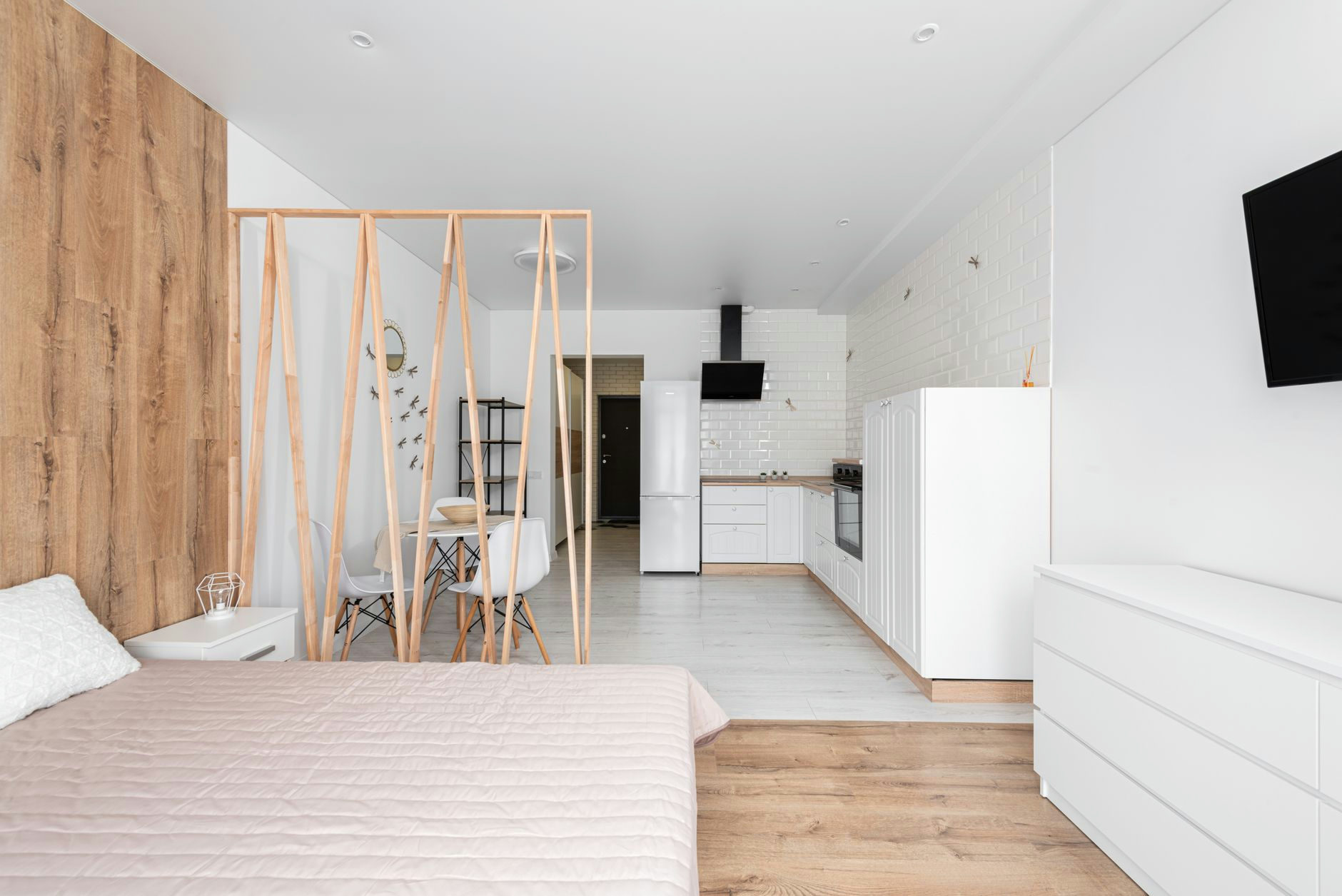
Decide where each activity lives-sleeping, cooking, working, lounging-and set simple boundaries. A rug can define the lounge, a cube unit can mark the bed area, and a narrow shelf can frame your desk. Once zones are clear, storage decisions become easier because every item gets a home within its zone.
Sketch your studio to scale, including radiators and door swings. Note vertical opportunities above eye level and dead slivers beside appliances. Measure twice; buy once.
Measure before you buy
Build Storage Upwards
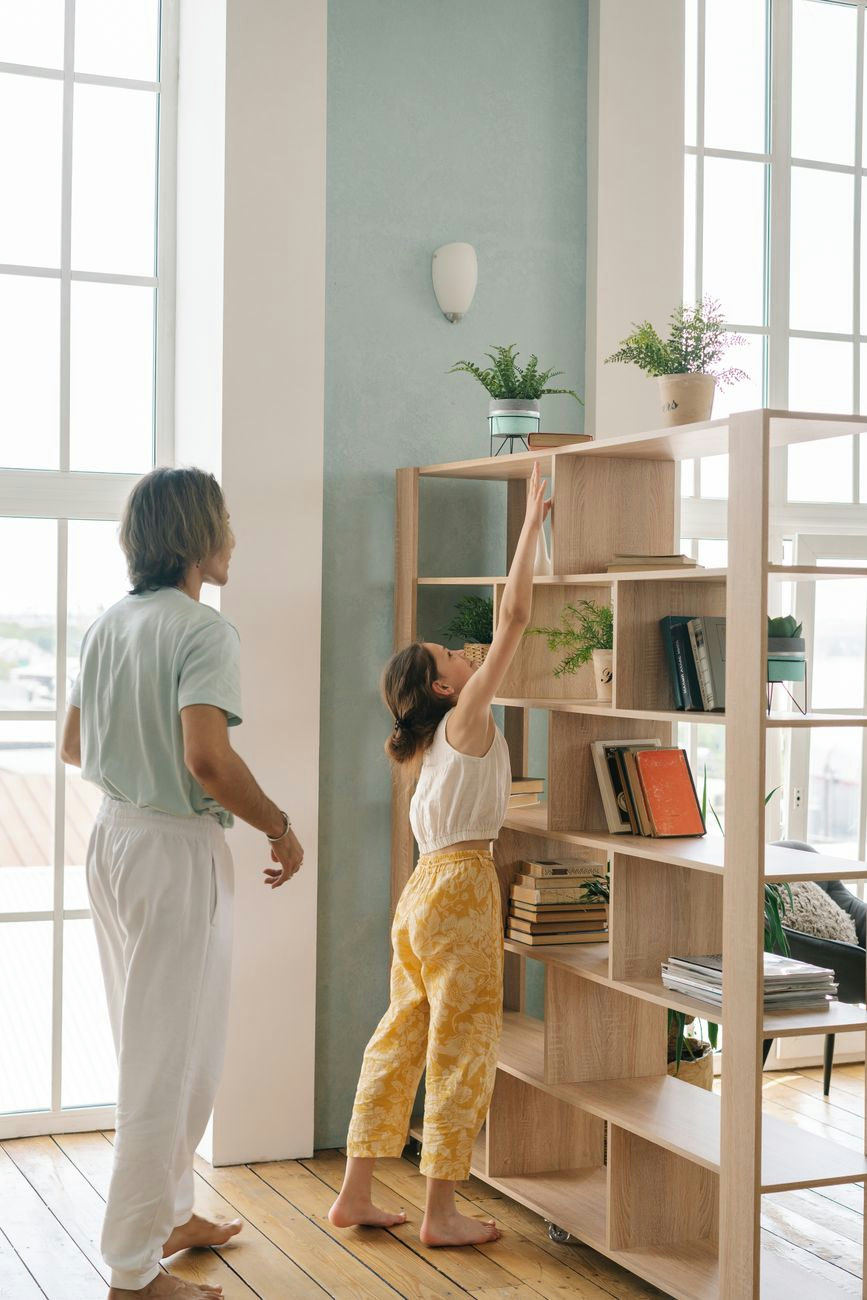
Tall shelving makes the most of limited floor area. Aim for units that reach within 20–30 cm of the ceiling and secure them with anti‑tip straps. Use sturdy wall plugs for masonry or suitable anchors for plasterboard. Store daily‑use items at chest height and seasonal items up top in lidded boxes.
Use Under‑bed Space
Measure bed clearance from floor to underside of side rails and look for under bed storage that is 3-5cm lower. Choose rollers over felt sliders on carpet. Keep like with like: spare bedding in one area, off‑season clothes in another. Vacuum bags halve volume for bulky duvets and coats.
Label box fronts so you can identify contents without pulling everything out.
ClutterCraft Recommended
Under‑Bed Storage Bins
Exploit Doors and the Space Above
Over‑door racks handle coats, scarves, or bathroom bottles. Check door thickness and frame clearance so the door still opens flat. For long‑term storage, add a shelf above the doorway-fix brackets into the wall either side of the frame, not the lintel. It’s a great home for infrequently used books or games.
In the kitchen, a narrow rail on the inside of a cupboard door holds wraps and foils; in the wardrobe, a slim over‑door hook adds hanging for tomorrow’s outfit.
Divide the Room with Storage
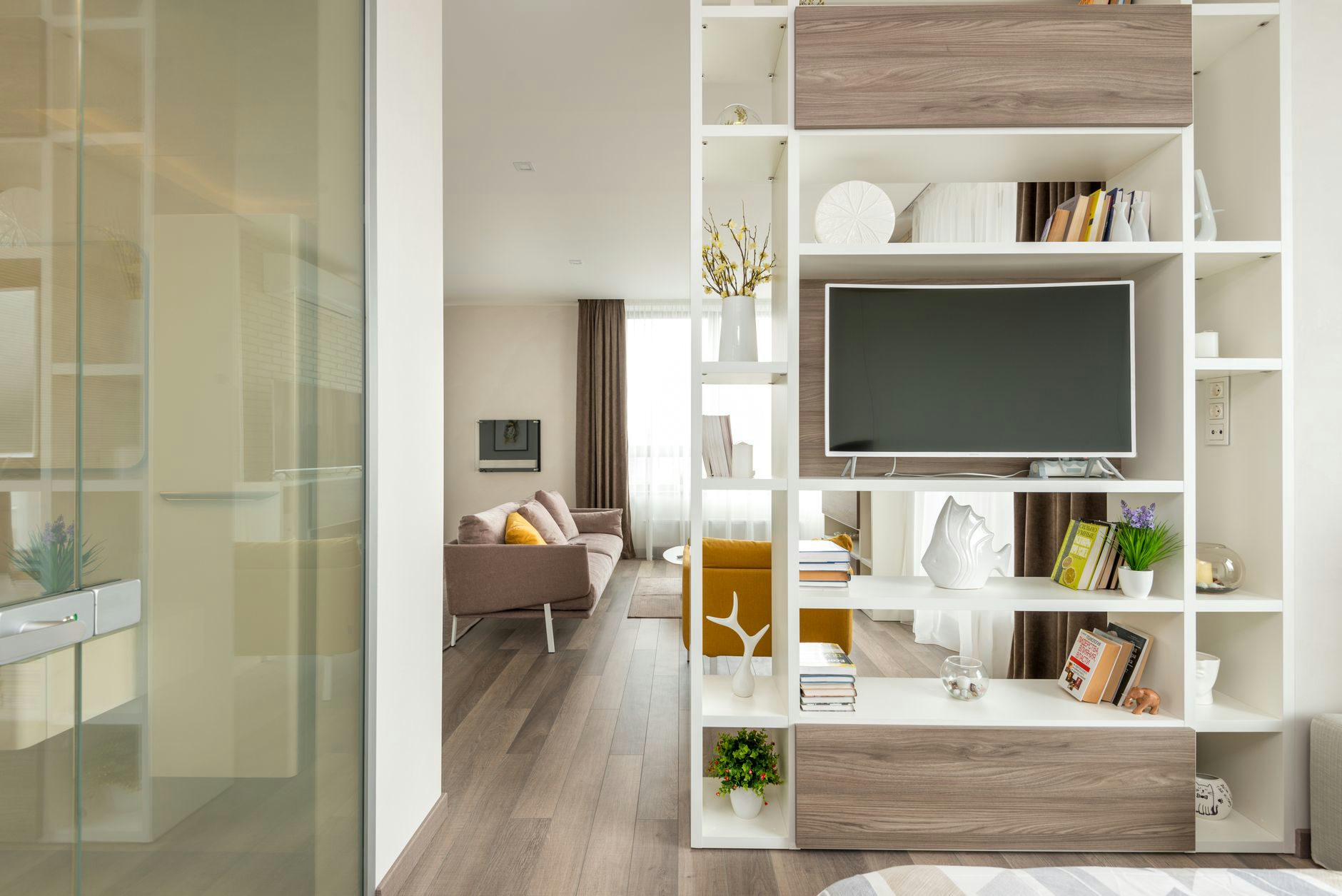
A back‑to‑back cube unit creates a headboard and a dresser in one, or a slim bookcase can edge the lounge. Keep divider depth to 30–35 cm so you don’t pinch walkways. Fix units to the floor or wall where possible, or add discreet castors to reconfigure for guests.
Use baskets on the bedroom side for soft items and open shelves on the lounge side for display. Leave the top row light to avoid a visual wall.
Pick Furniture That Hides Storage
Every large piece should earn its footprint. Look for ottoman beds, a storage chaise on the sofa, a lift‑top coffee table with compartments, and a bench that opens for shoes. In the kitchen zone, a drop‑leaf table with shelves handles dining and crockery. Prioritise pieces with clean lines so visual bulk stays low.
Check hinge quality and lid supports - soft‑close hardware protects fingers and reduces slam noise in small spaces.
ClutterCraft Recommended
Storage Bench
Boost Inside‑cupboard Capacity
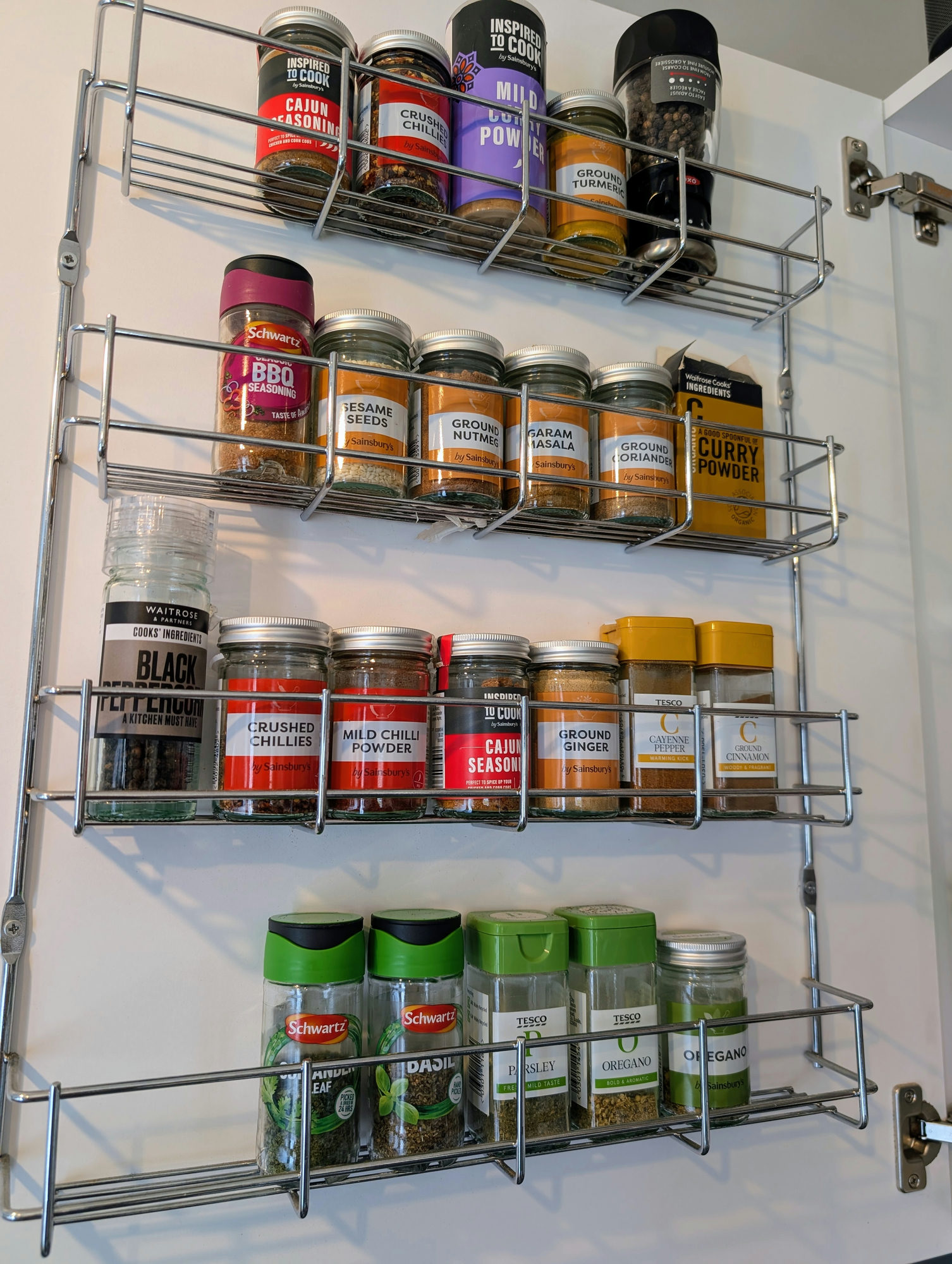
Stackable shelf risers turn one tall shelf into two. Turntables (lazy Susans) in corner cupboards prevent lost jars. Clip‑on baskets hang from existing shelves for foil, wraps or tea towels. In base units, a pull‑out basket makes the full depth usable.
Measure interior width and the lip at the front of the shelf - some risers need a flush surface to sit level.
Make Corners Useful
Floating corner shelves are ideal for books, plants or speakers. In the kitchen, a triangular shelf above the workstop is good for spices. For floor gaps, a slim rolling trolley slides between the fridge and wall for tins and bottles.
Fit braced corner brackets, not just shelf pins-the diagonal support prevents sagging.
Fold‑away Tables and Wall Desks
A wall‑mounted drop‑leaf table doubles as a desk and vanishes after dinner. Check knee clearance for folded chairs and store them on a rail or behind the sofa.
Choose a worktop depth of 45–60 cm when open so a laptop, notepad and mug all fit without feeling cramped.
ClutterCraft Recommended
Drop‑Leaf Wall Table
Hooks, Rails and Pegboards
Rails with S‑hooks keep pans, mugs and utensils off worktops. A pegboard near your desk corrals cables and stationery, and by the door it takes keys and bags. Always use suitable plugs or plasterboard anchors if you own the flat; check the hook’s weight rating and stay well under it.
If you can’t drill, choose high‑quality adhesive hooks and allow the full cure time. Tension poles with shelves can work in alcoves without fixings.
Streamline the Wardrobe

Switch to slim hangers-velvet or flocked styles typically halve rail bulk. Add a second, clip‑on rail for shirts under shorter hanging. Use drawer dividers for socks and gym kit so you can grab and go. Off‑season clothes can live under the bed or on the very top shelf in vacuum bags.
If you’re short on wardrobe space, a covered garment rack keeps dust off and looks tidy in the open.
Create a Mini Pantry
A narrow trolley parked beside the fridge or under a windowsill keeps dry goods tidy. Aim for 10–15 cm width, tall sides so jars don’t topple, and locking castors. Decant staples into stackable containers-square footprints waste less space than round jars.
Label containers on two sides so you can read them whether the trolley is in or out.
Run High Shelves and Picture Ledges
Around the room, mount a run of shelves below the ceiling for books, cameras and archive boxes. In living areas, shallow picture ledges hold remotes, small speakers or a rotating display without eating into the room. Keep heavy items over solid walls and use rated fixings.
Store light, attractive items up high - they will read as a feature rather than clutter.
ClutterCraft Recommended
Floating Shelf Set
Check permissions and load limits
Use Mirrors and Light to Reduce Visual Bulk
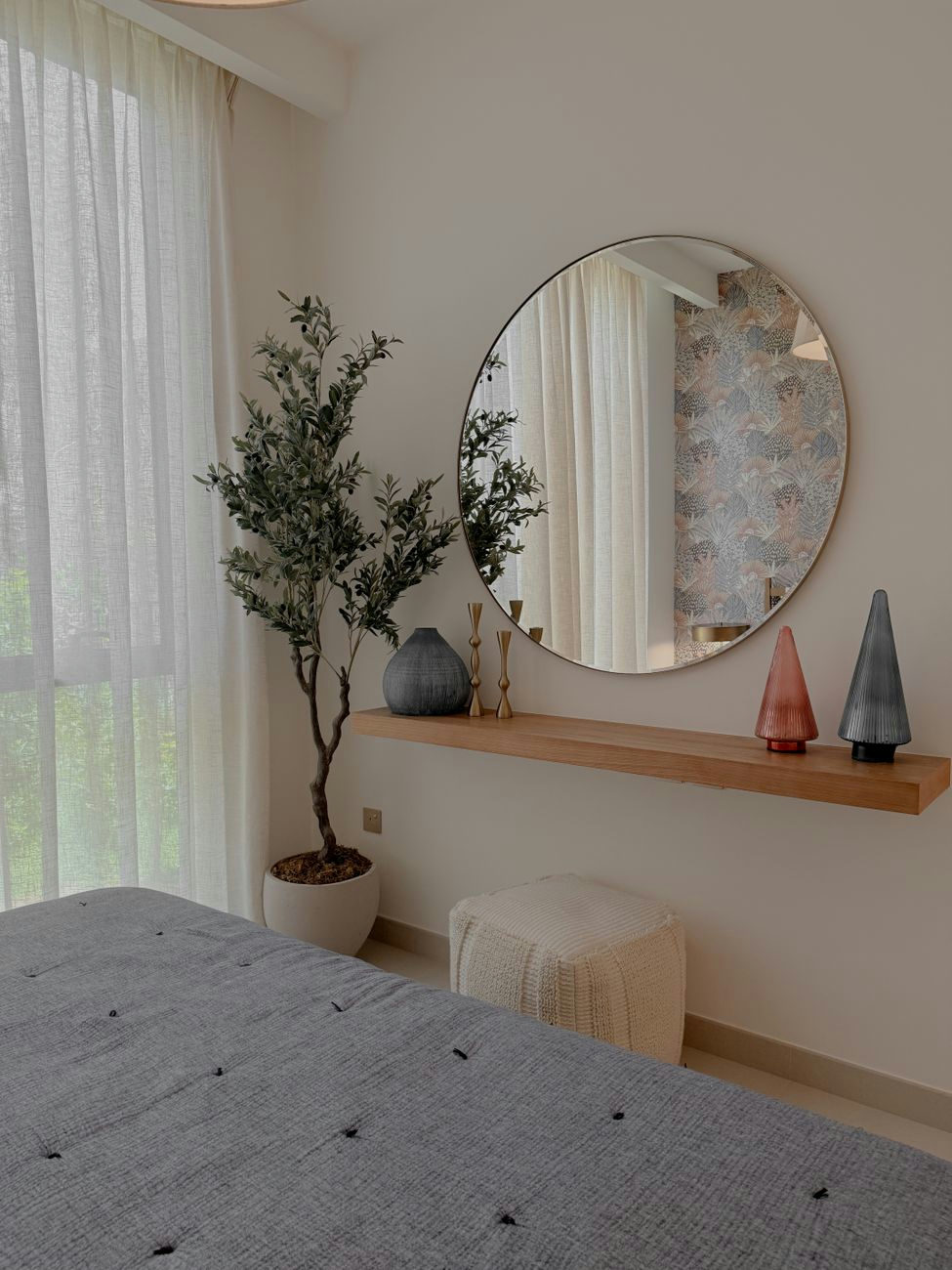
Mirrors bounce light and make space feel bigger. A full‑length mirror with hooks earns its keep near the door. Choose light‑coloured boxes and baskets so storage recedes; keep three main materials across the room to avoid a patchwork look.
Hide chargers and cables in a small cable box as visual clutter shrinks rooms faster than furniture does.
Set a Weekly Reset
Studio apartments get messy quickly because everything is in reach. A 10‑minute Sunday reset keeps storage working 0- laundry away, surfaces cleared, bins back under the bed. Each season, rotate kit so only current needs live in the main zone; archive the rest up high or under the bed.
Labels help everyone put things back consistently, even if “everyone” is just you at the end of a long day.
Frequently Asked Questions
How can I add storage without drilling?
Use over‑door racks, tension poles, adhesive hooks (respect weight limits and drying times), freestanding cube units, garment racks with covers, and slim trolleys. For shelves, look for no‑drill compression systems designed for alcoves.
What under‑bed clearance do I need for storage boxes?
Measure from the floor to the underside of the bed side rail. Most shallow wheeled boxes need 18–20 cm. Allow at least 2-3 cm clearance so boxes glide freely on carpet or rugs.
How do I keep a studio from feeling cluttered with so much storage?
Choose closed storage for messy categories, keep colours light and consistent, run shelves high rather than mid‑wall, and use mirrors. Limit materials to three finishes across the room - e.g. white shelves, birch boxes, black metal rails.
Where should I store luggage in a studio flat?
Use the top of the wardrobe or the above‑door shelf. Pack luggage with out‑of‑season bedding to earn its space, then store it upright so it doubles as a dust‑proof container.
Small changes, big storage wins
Studios reward simple, repeatable ideas - store up high, keep floors clear, and make every large piece of furniture do double duty. A few well‑chosen organisers and a clear plan for zones will make daily life easier without turning your home into a storage unit.
Start with the quick wins you can install in an evening - over‑door racks, a rail with hooks, a couple of high shelves - then tackle larger pieces like a storage bed or a room‑dividing cube unit. Measure carefully, fix securely, and enjoy the breathing room.