Walls, doors, alcoves and even ceilings can take a surprising amount of storage when you plan it properly. A well organised room has a good mix of shelves and other vertical solutions that earn their keep and keep everything easy to reach.
Group items by weight and how often you use them, then decide which zones go high, mid and low. Heavy or daily-use bits belong between hip and shoulder height; light and occasional items can live higher in harder to reach places. The tips below work across living rooms, bedrooms, kitchens, hallways and home offices.
Use Your Walls Effectively
Walls do the heavy lifting. Mix adjustable systems with slim shelves and hook rails so each wall section works for the items you actually own.
Add Pegboards and Rails for Small Stuff
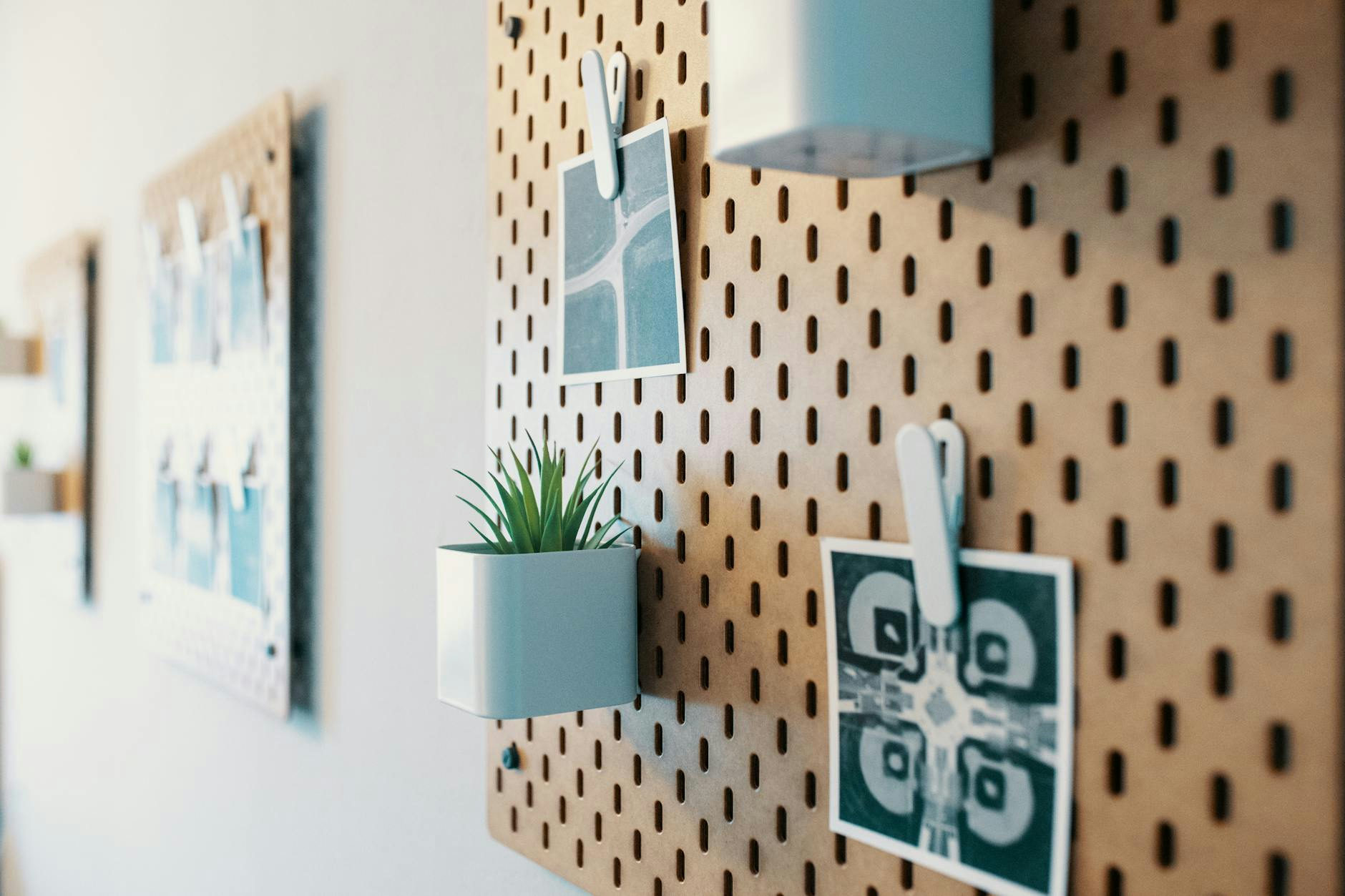
Pegboards and rail systems turn a flat wall into slots, bins and hooks for tools, craft gear, kitchen utensils or office supplies. Fit one above a desk, beside the cooker or in a utility nook. These are a flexible solution that allows you to mix and match trays, cups and hooks so everything has a clear home. The aim is to make it so quick and easy to organise that you won't end up with another cluttered surface!
Install Adjustable Track Shelving
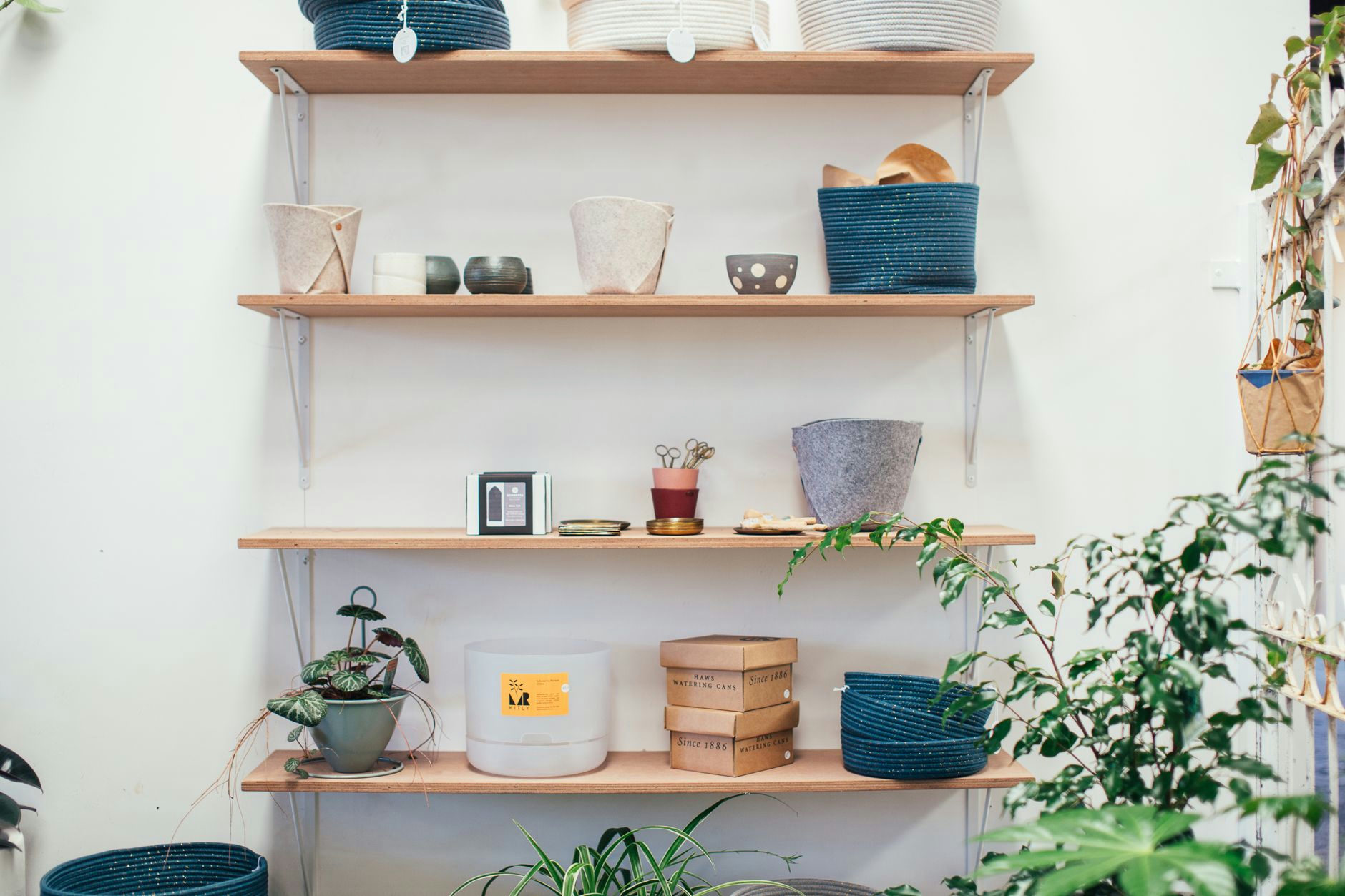
Uprights and brackets make walls flexible - you can easily change shelf heights as needs shift over time. Fix uprights into studs on timber walls or use the correct wall plugs for masonry or plasterboard. As a guide, choose shelf depths to match contents: 15–20 cm for books and small boxes, 25–30 cm for mixed storage, 35–40 cm for pantry or utility. Keep at least 30 cm clearance above a desk or worktop.
ClutterCraft Recommended
Adjustable Wall Track Shelving
Use Slim Floating Shelves Where Furniture Won’t Fit
In tight spots, such as over a radiator or near a doorway, a run of 12–20 cm deep shelves handles books, frames and small baskets without crowding the room. Keep the lowest shelf just above shoulder height in walkways so they don't get in the way.
Wall Mount Everything
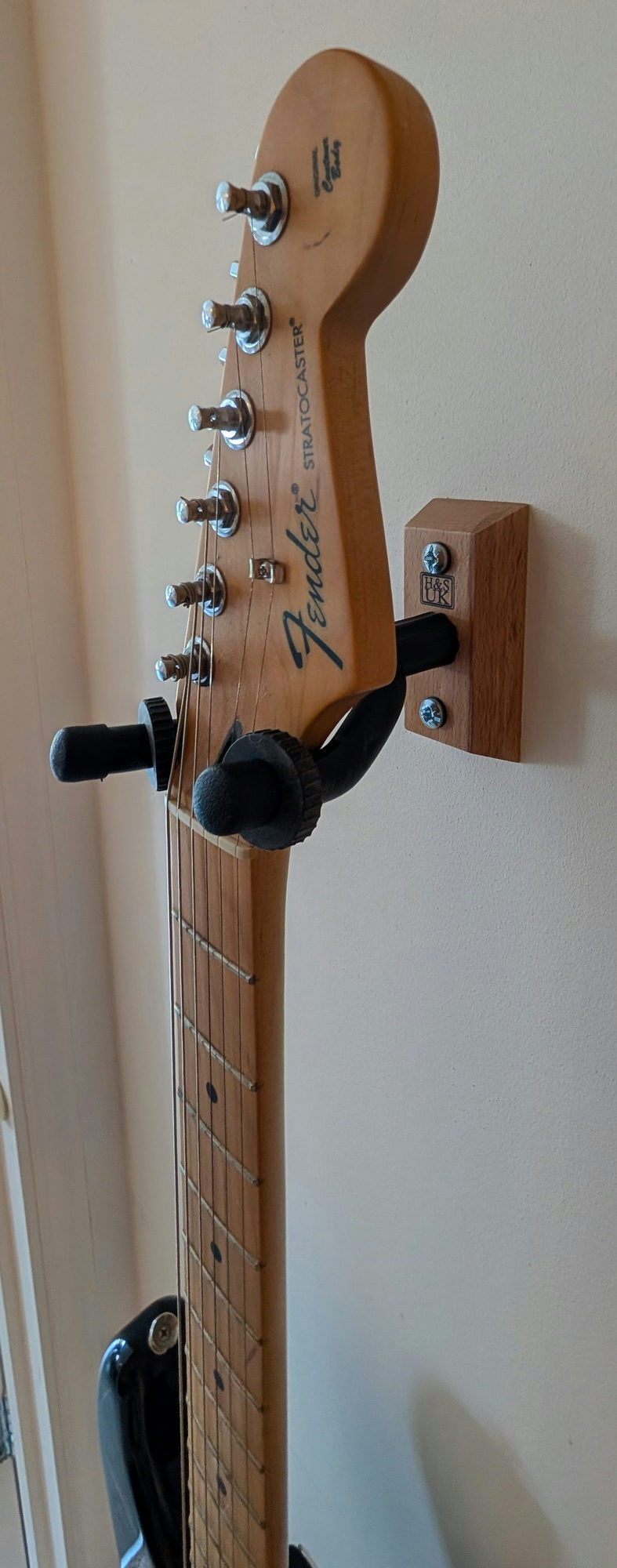
Mounting items on the wall frees floor space and keeps everyday things visible and usable. Place frequently used items at waist or shoulder height, display pieces at eye level and store rarely used gear higher up, above 180 cm, with a step stool handy. For heavy items, fixings into studs or masonry are essential; for renters, use no‑drill solutions only for light loads and always check weight limits and removal guidance to avoid damage.
For instruments such as guitars, choose a hanger that cradles the headstock or supports the body and aim to mount so the neck is easy to grab without reaching above shoulder height, roughly 90–140 cm for most people.
ClutterCraft Recommended
Guitar Wall Mount
Use Doors, Alcoves and Corners
Have a look around your rooms today and you'll noticed lots of opportunities for storage in less common places. These awkward areas are perfect for vertical storage that stays out of the way of daily traffic.
Put the Back of Doors To Work
Over-door racks, baskets or fabric organisers add a whole new area of storage for things like toiletries, cleaning supplies, gloves and shoes. Aim to keep contents under 10 cm deep on tight swings and check clearance so items don't hit anything when the door opens. For heavier loads, screw a rack to the door rather than relying on hooks. These are especially useful on the backs of cupboard doors where you don't see them anyway.
Fill Shallow Alcoves with Custom Shelves
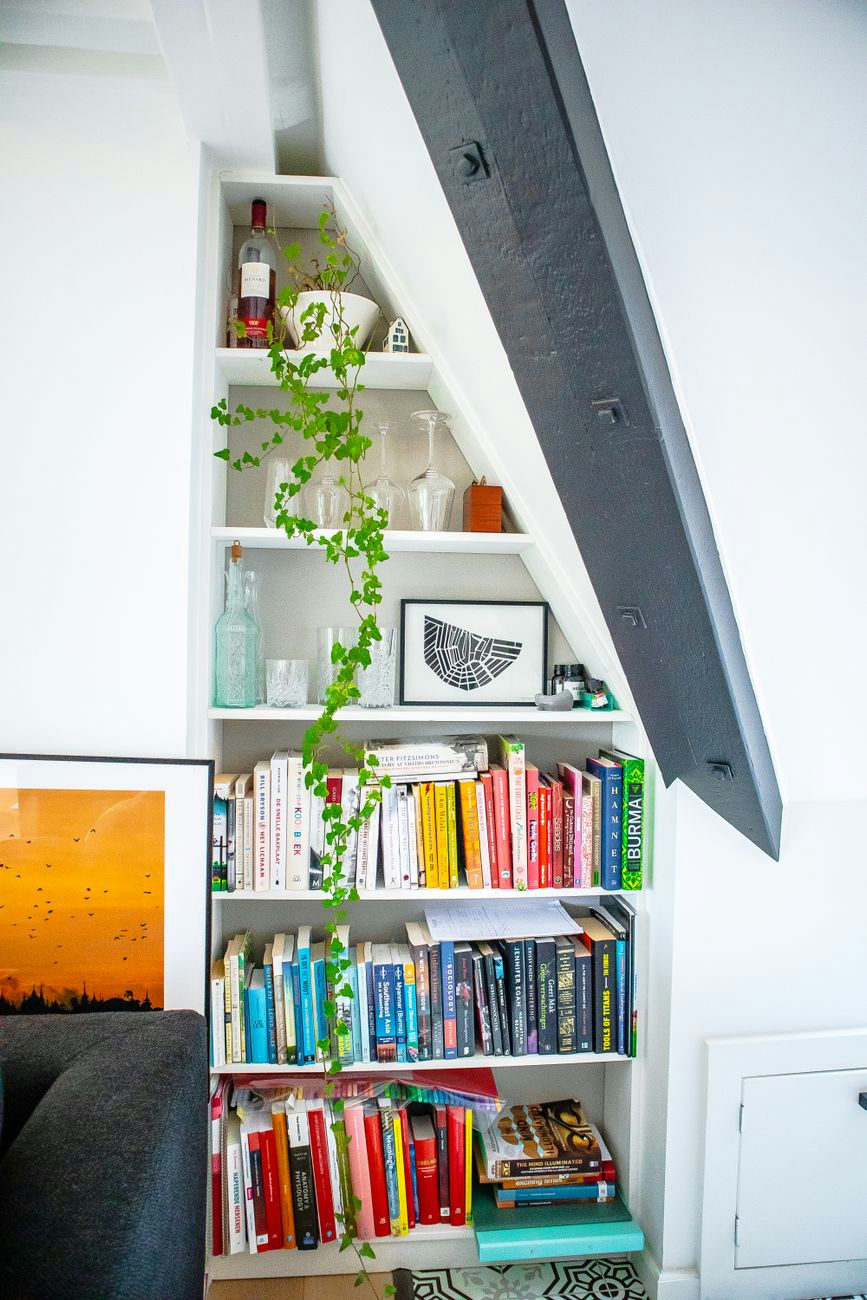
Even a 10–15 cm deep alcove can hold books, jars or folded linens. In rentals, consider tension poles or freestanding ladder shelves that lean but are secured with discreet straps.
Choose Corner Towers or Ladder Shelves
Corners can swallow space but a slim corner tower or ladder shelf brings it back. Look for footprints around 30–35 cm each side so they don’t jut into the room. Strap tall pieces to the wall to prevent tipping, especially on carpet.
ClutterCraft Recommended
Corner Shelving Tower
Set Zones by Height
Think about who uses the stored item and how often. Keep daily-use and heavy items roughly 90–150 cm from the floor. Light or occasional items like seasonal clothing can go above 200 cm. For children, drop their pegs and shelves to 90–110 cm so they can easily put things away.
Double Shelf Capacity with Risers and Under-Shelf Baskets
Shelf risers create two levels for plates, tins or folded tees. Under-shelf baskets hook onto existing shelves to catch wraps, chopping boards or scarves. Check you have 2 cm of shelf thickness to grip and leave enough clearance beneath for what you store.
Go Tall with Wardrobes and Bookcases
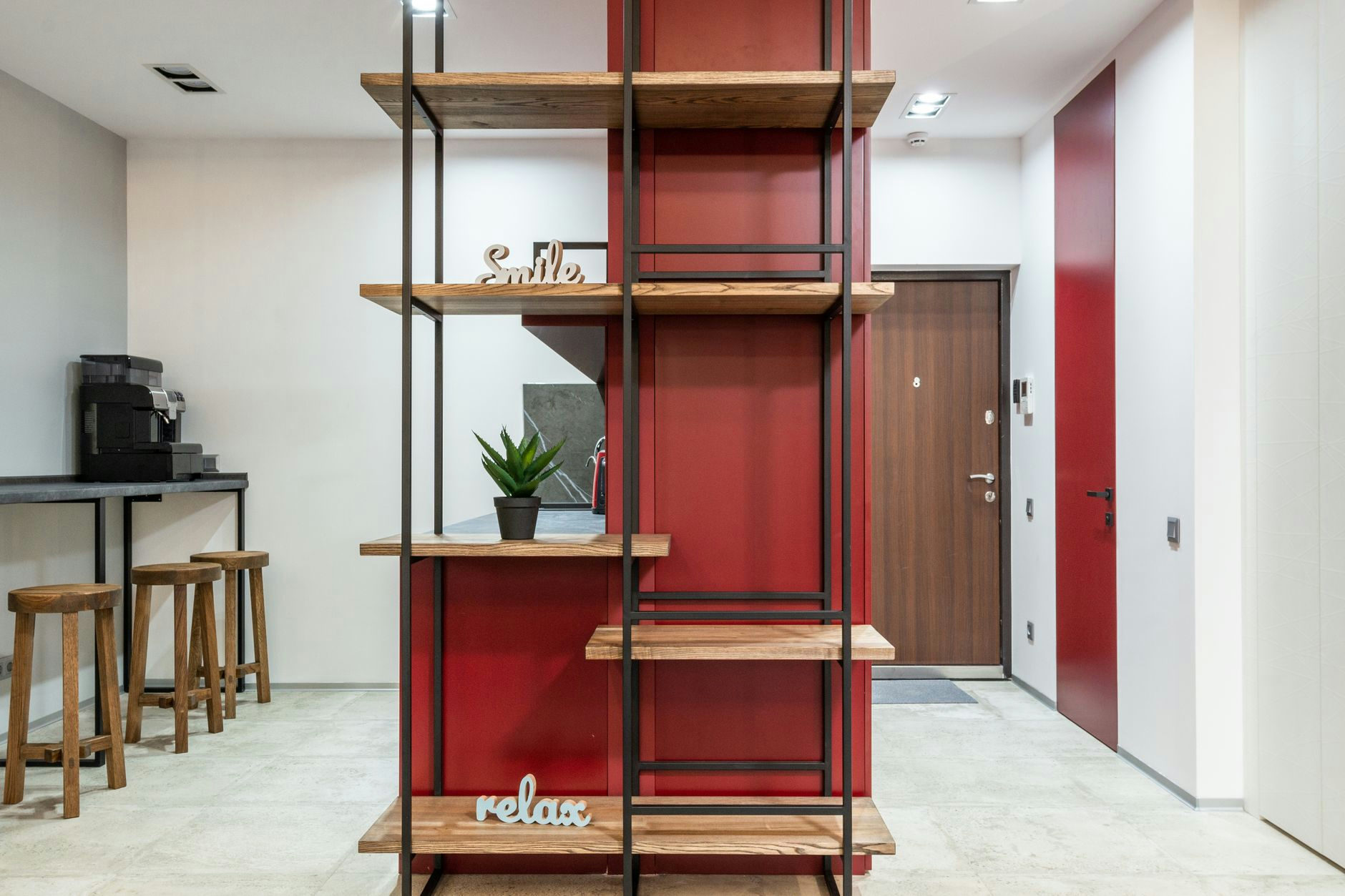
Choose vertical furniture over wide pieces: widths 30–60 cm, heights 180–220 cm. Use the top for labelled baskets and the mid-shelves for everyday items.
Make sure to fit anti-tip straps to the wall, these are essential on deep-pile carpet or with kids or pets about.
Use the Ceiling Where it Makes Sense
In kitchens and utilities, a ceiling-mounted rack holds pans or laundry airers. Fix into joists, not just plasterboard, and keep 45–60 cm clearance above a worktop or cooker. In garages or sheds, overhead racks can take things like camping gear, just remember to box and label clearly so you can find it again!
Store Sports and Hobby Gear Vertically
Wall hooks, rails and pulley hoists keep bikes, boards and kit off the floor. Leave tyre width plus 5 cm each side so handlebars don’t scuff walls. For muddy gear, park a tray or mat beneath to catch drips.
No-Drill Options for Renters
Tension poles, freestanding ladder shelves, damage-free adhesive hooks and over-door racks add vertical storage without holes or damaging walls. Just make sure to always check the stated load, press firmly for the full time, and avoid textured or flaky paint.
ClutterCraft Recommended
Damage-Free Adhesive Hooks
Safety first
Label by Level and Keep a Step Stool Handy
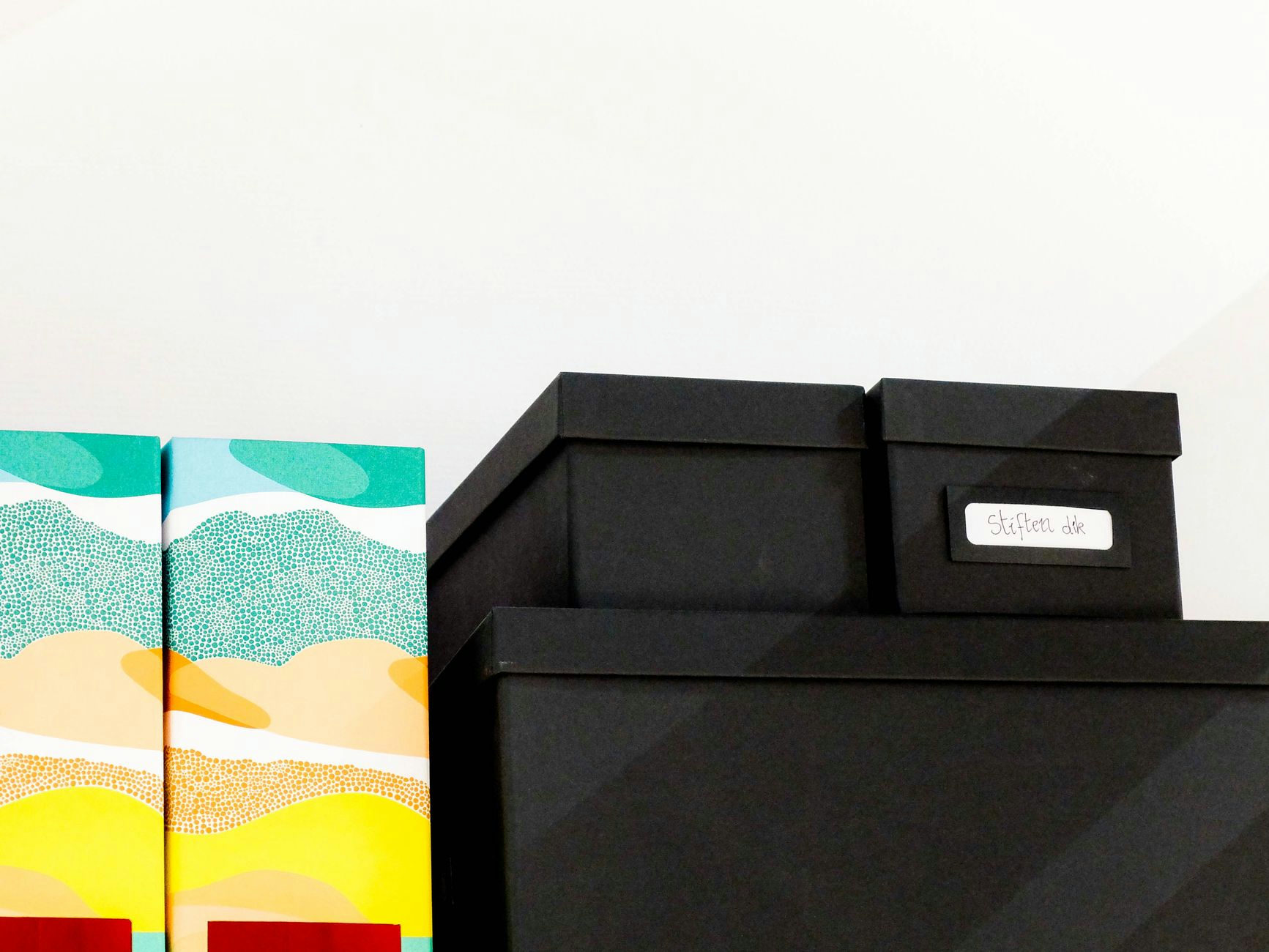
Labels help everyone return items to the right height. Add a small, sturdy step stool so high shelves are safe to reach and make you more likely to use them. Check and reorganise your shelves occasionally to ensure they keep working for you, especially when you're in a hurry.
Frequently Asked Questions
What height should I mount shelves?
Set everyday shelves so items sit between roughly 90–150 cm from the floor. Higher shelves (above 200 cm) are fine for light, occasional items. Leave 25–35 cm between shelves for books and boxes, and adjust to suit what you store.
How much weight can plasterboard walls take?
It depends on fixings and where you anchor. Into studs, loads are high. With specialist plasterboard anchors, light to moderate loads are possible. Heavy items should go into studs or masonry. Always follow the fixing’s rated load and spread weight across multiple points.
How do I use the top of wardrobes safely?
Only store light, bulky items in lidded baskets. Keep them set back from the edge and fit anti-tip straps to the wardrobe. A small step stool makes access safer, and makes you more likely to use the storage space.
What if I’m renting and can’t drill?
Use tension poles, over-door racks, freestanding ladders and adhesive hooks within their rated limits. Many landlords allow small holes if you fill them when you leave, but check with them first!
Won’t vertical storage make rooms feel cluttered?
Keep shelves shallow in tight areas, leave breathing space on walls, and use closed baskets up high to hide visual noise. Prioritise a few strong vertical zones instead of covering every wall.
Make Use of Your Vertical Space
Vertical storage pays off when you match shelf depths and heights to what you actually own, and keep them well organised from the start so you're more likely to use them. Start with one wall, one door or one corner and build from there.
Keep daily-use items within easy reach and the light and occasional bits up high. With these tips you can easily free floor space and make every room feel calmer.