Hallways work hard - school bags, wet coats, parcels, sports kit, shoes, keys and post all pass through in minutes. In a small space, there’s nowhere for clutter to hide, so whatever lands at the door needs a clear home and a quick routine.
The aim here is not a show-home console table. It’s a fast, family-friendly setup that copes with rush-hour mornings and muddy afternoons. Think vertical storage, labelled drop zones and easy wins you can install in an evening.
Pick two or three ideas that fit your hallway. Small tweaks add up - especially when everyone knows where their things live.
Install two rows of hooks
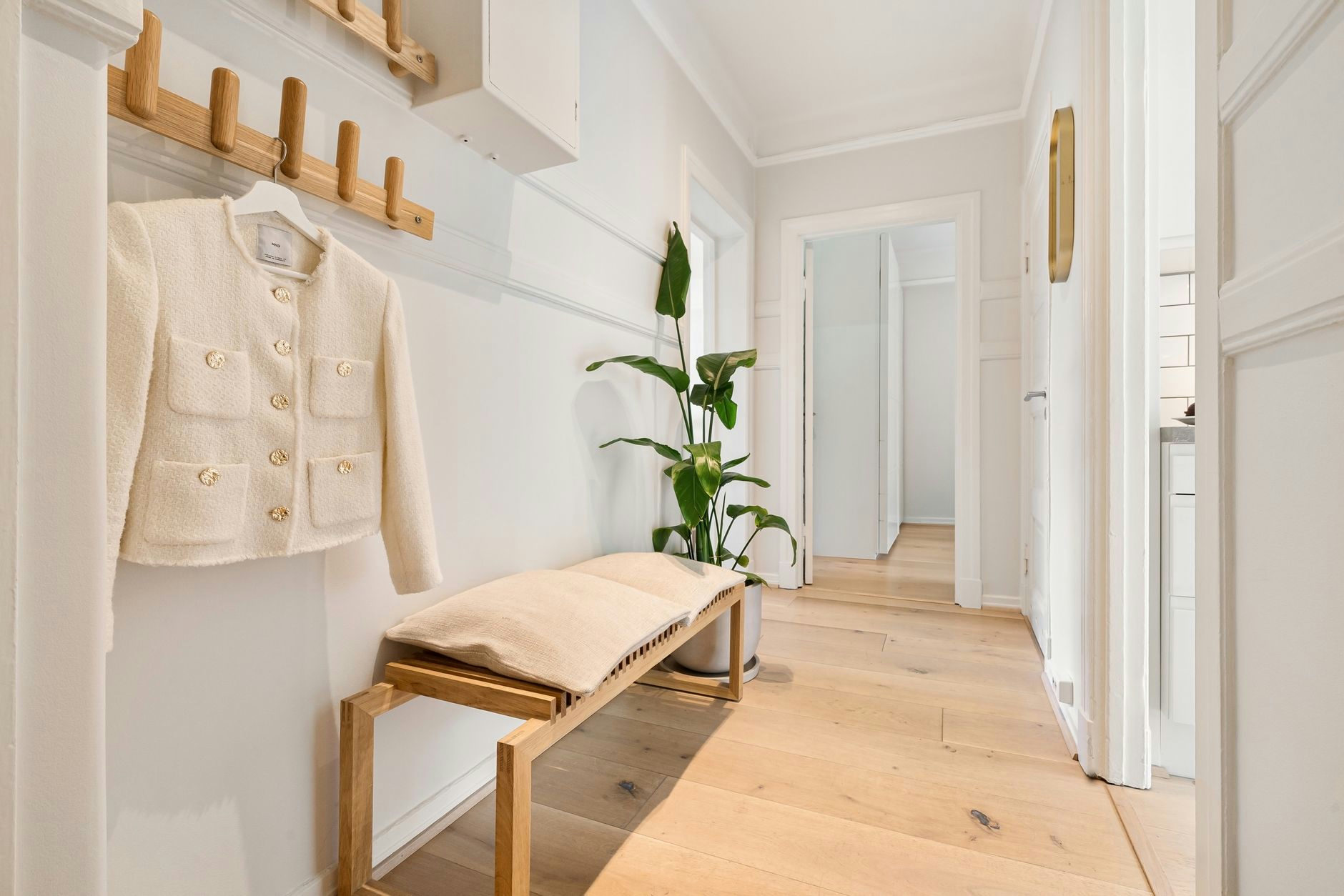
Coats on top, kids’ bags below. A double run makes use of the full wall and stops everything ending up on one overcrowded peg.
Top row: 160–170 cm for adults.
Lower row: 90–110 cm for children.
Spacing: 10–15 cm between hooks keeps bulky coats from overlapping.
Use proper wall plugs for a solid hold on plasterboard or masonry. Make sure you use a wall scanner before you drill into the wall to avoid hitting any pipes or wires!
Swap a shoe pile for a slim cabinet
Flip-down shoe cabinets are built for tight hallways. Typical depth is 18–25 cm, so they don’t steal walkway space, and they hold several pairs upright.
Make sure you measure skirting and radiator projections before buying. Assign the bottom section to school shoes for quick mornings, and keep a small brush nearby to deal with dried mud.
ClutterCraft Recommended
Narrow Shoe Cabinet
Create a wet zone by the door
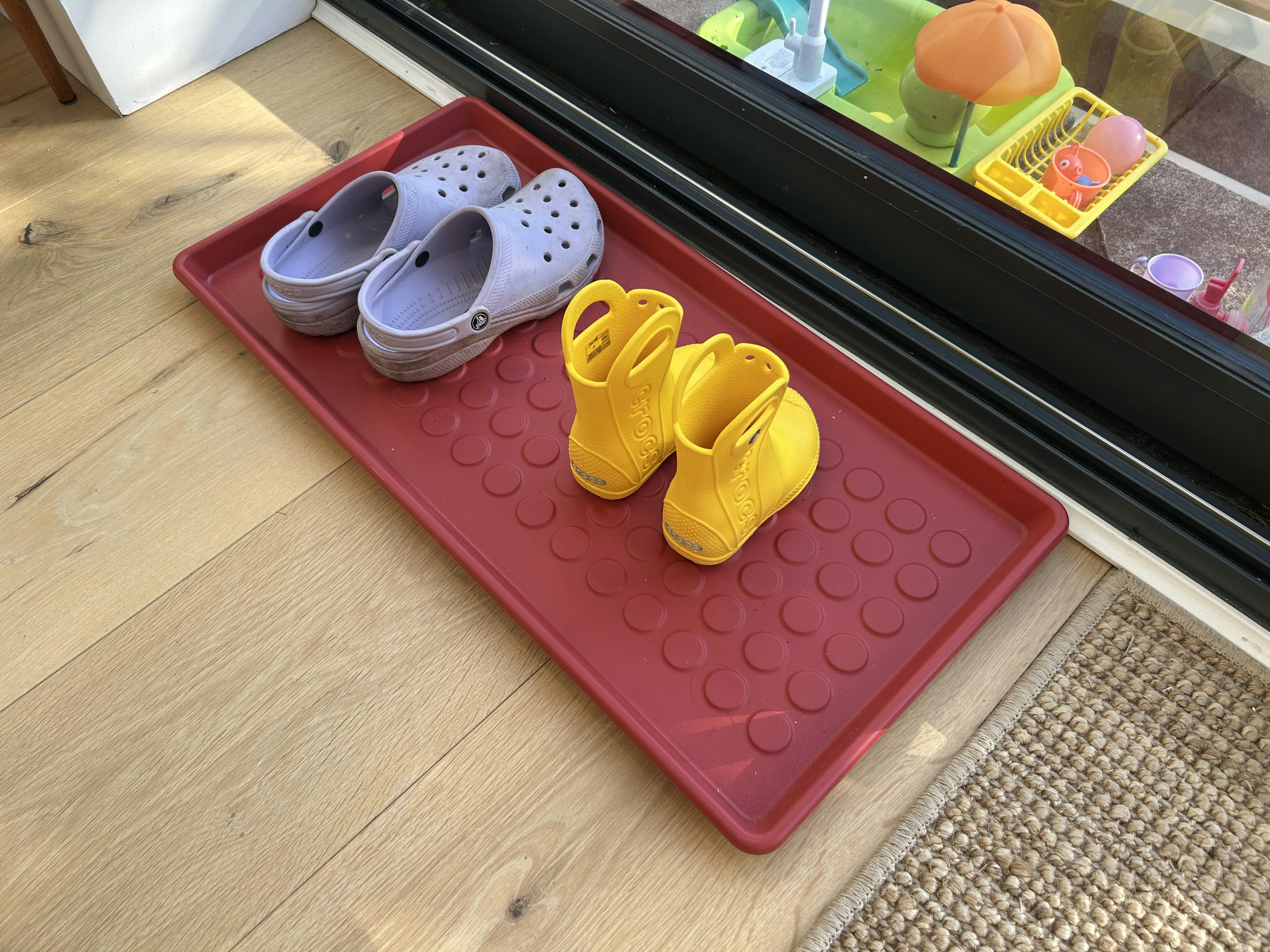
Stop mess at the threshold. A boot tray for wellies and a hard-wearing mat for everyday shoes catch drips and grit, so the rest of the hall stays clean.
Choose a tray big enough for the family and a ribbed mat you can hose off. Park the umbrella stand beside it so everything that’s wet lives together.
Park scooters, helmets and the pram
Mark a parking bay on the floor with a mat so wheels stop in the same place every day. Hang scooters horizontally on wall hooks if you can, and keep helmets on a peg above.
Measure handlebar widths before fixing hooks so nothing protrudes into the walkway.
Add a bench with storage
Sitting space speeds up departures - especially with little ones. Pick a slim bench with cubbies, a lift-up lid, or slide baskets underneath for hats, gloves and PE kit.
A wipeable cushion makes it more inviting. Label each basket or cubby so everyone can reset the bench in seconds.
ClutterCraft Recommended
Storage Bench
Create a Family Command Centre
Keep decisions off the floor. A simple wall setup handles calendars, post, keys and quick notes so everyone knows what’s happening and where things go.
Put the week on the wall
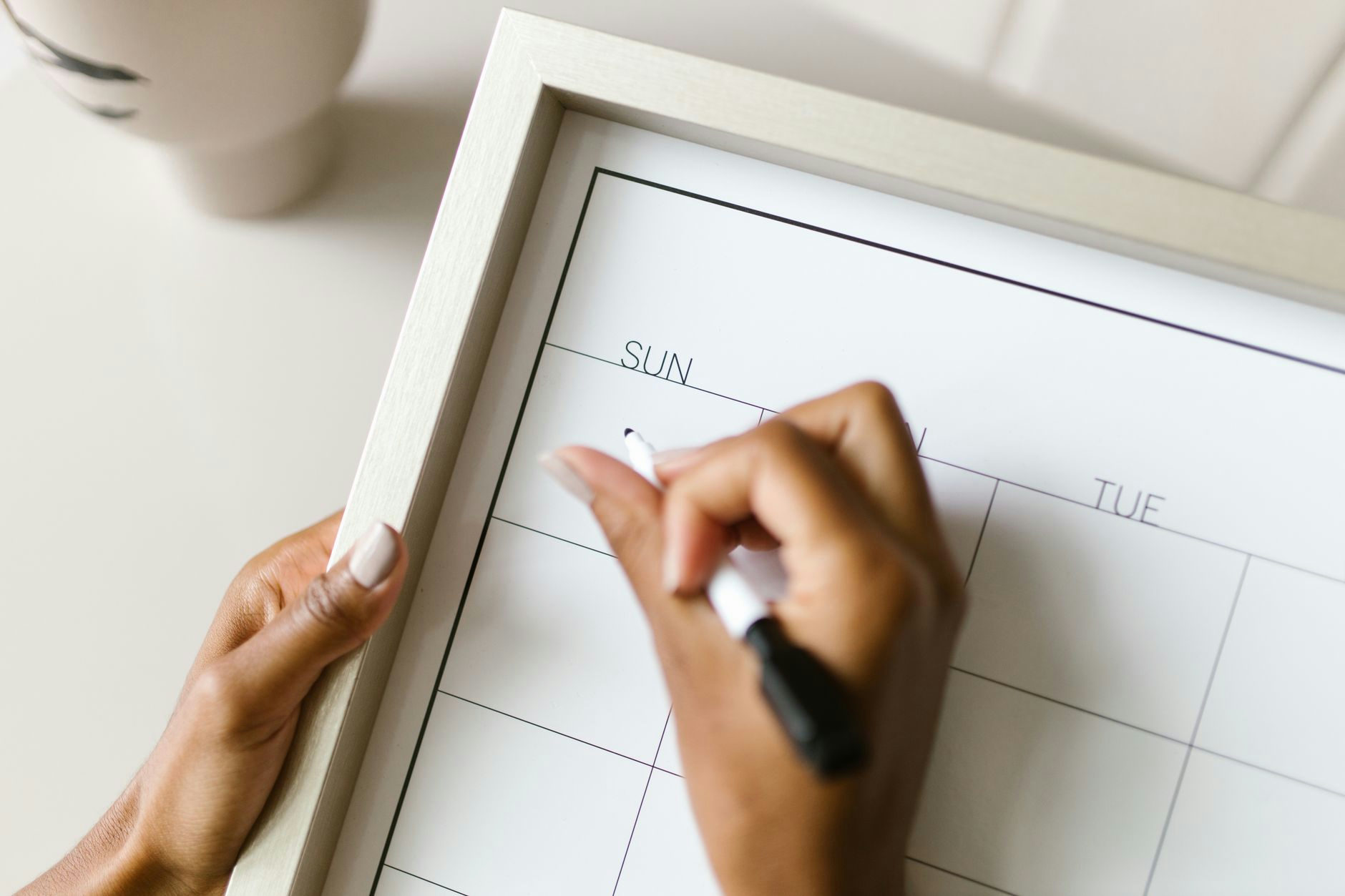
Mount a large week-to-view calendar or dry-wipe board at adult eye level. Add a pen holder so updates actually happen. Colour-code by person if that helps.
ClutterCraft Recommended
Wipe-Clean Wall Calendar
Keys live here
Install a small key rack with a ledge for a wallet and spare change. If you charge a phone by the door, choose a shelf with a cable slot and tuck a multi-plug below if you can.
Use the back of the door
Over-door racks turn dead space into tidy hanging for scarves, caps, lightweight coats and sports kit. Check clearance so the door still opens flat and nothing bangs on the wall.
Pick a slim console - or a floating shelf
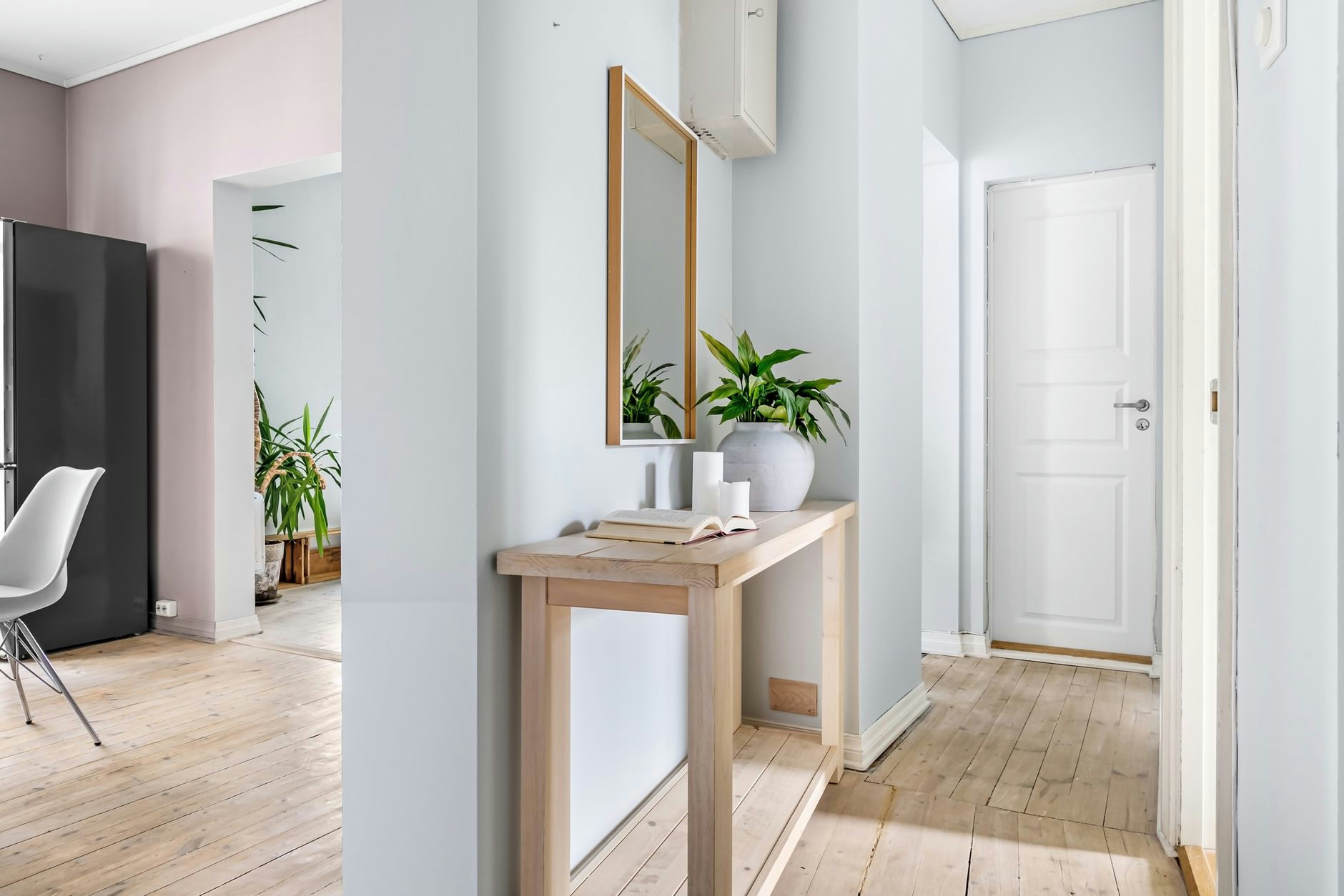
If there’s room, a console table up to 30 cm deep gives drawers for bits that look messy in the open. In tighter spots, a floating shelf at 12–20 cm deep does the same job with a lighter feel.
Add a small tray for keys and coins, a letter rack if you prefer paper tucked away, or hooks for bags and coats below.
ClutterCraft Recommended
Floating Shelf with Hooks
Run a peg rail along the long wall
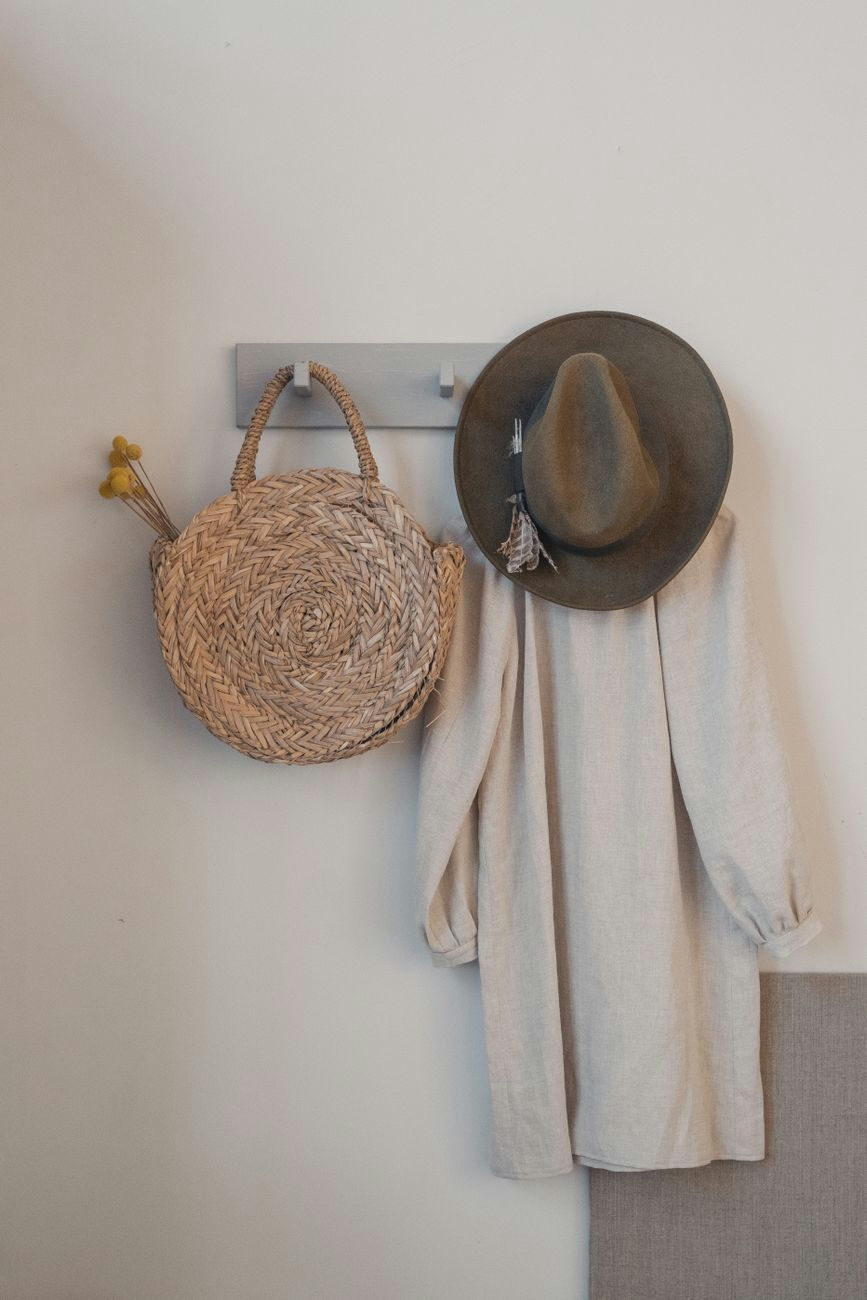
A continuous timber peg rail is inexpensive, flexible and looks tidy. It handles everything from backpacks to dog leads and can be cut to fit awkward runs.
For mixed use, set it around 150 cm high. Use wall plugs and make sure you use a wall scanner before drilling to avoid pipes or wires.
Use a mirror with storage
A full-length mirror brightens a narrow hall and doubles as a last-minute check point. Choose an over-door mirror with hooks or a shallow mirrored cabinet to earn hidden storage too.
Give each person a basket
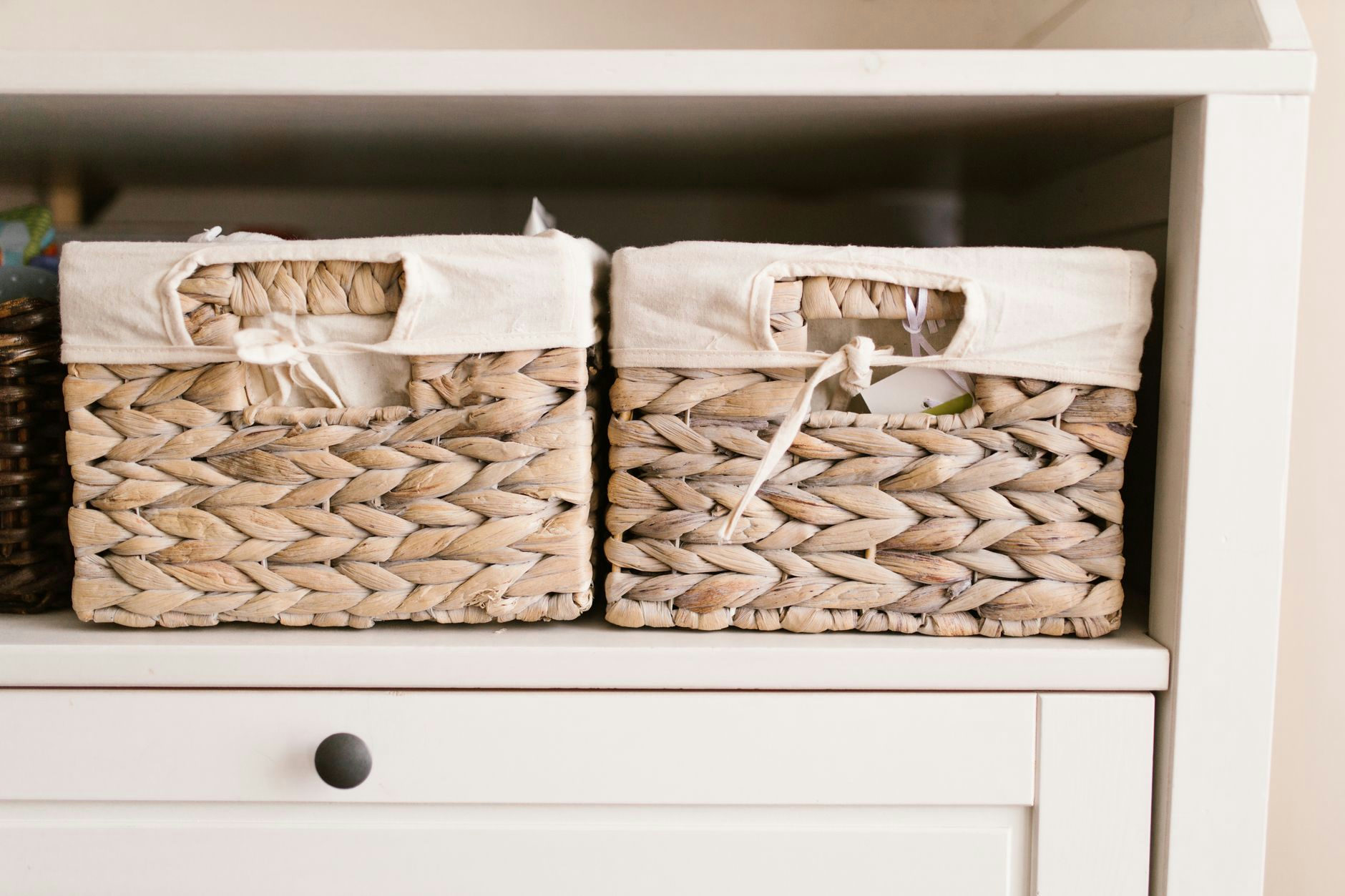
One grab-and-go basket per family member keeps the random bits - scarves, water bottles, shin pads - out of sight. Store them under the bench or on a high shelf.
Use labels for names to avoid arguments over whose stuff goes where. Do a five-minute empty and reset every week.
Rotate seasonal kit
Only keep what you need this season in the hallway. Move off-season hats, gloves or sunhats into labelled boxes on a high shelf or under the stairs.
Do a quick monthly sweep - five minutes to return strays and pull forward the next season’s bits.
Set heights by who uses it
Frequently Asked Questions
What depth furniture works in a narrow hallway?
Aim for 18–25 cm for flip-down shoe cabinets and 12–20 cm for floating shelves. Consoles up to 30 cm deep suit wider halls - always keep 80–90 cm of clear walkway.
How many pairs of shoes should live by the door?
Keep one everyday pair per person plus wellies in the wet zone. Everything else can live in bedroom wardrobes or a secondary shoe cupboard.
How high should I hang kids’ hooks?
For primary-age children, 90–110 cm lets them reach without dragging sleeves. Drop to 80–90 cm for toddlers, and raise as they grow.
What if I’m renting and can’t drill the walls?
Use over-door racks, freestanding benches, adhesive hooks rated for the load, and tension-rod shoe shelves. Add a rail on a coat stand for extra hanging.
Final Thoughts
Small halls can do a lot with the right mix of vertical storage, slim furniture and simple rules everyone can follow. Start with hooks, shoe storage and a wet zone, then add a command centre so decisions don’t land on the floor.
Keep walkways clear, label what matters and review the setup each season. When everything has a home at the door, school-day mornings run smoother - and the hallway looks better for it.